


When Is the Best Time to Repair Your Home’s Foundation?
Your home’s foundation supports everything above it, so changes in its condition can affect floors, walls, doors, windows, and other parts of the structure. While homeowners may wonder whether there is a particular season that is considered the best time for foundation repair, timing often depends on the condition of the home, the surrounding soil, weather patterns, and the type of repair being considered. Understanding these factors can help homeowners make more informed decisions about when to have their foundation evaluated and addressed.
Pay Attention to Changes Around Your Home
One of the most practical times to consider foundation repair is when you begin noticing changes that may indicate foundation movement. Cracks in interior walls, gaps around windows, uneven flooring, or doors that suddenly become difficult to open or close can warrant closer attention. Not every crack or sticking door indicates a serious foundation problem, since homes naturally experience changes over time. However, when several changes occur together or become increasingly noticeable, having the foundation professionally evaluated can help determine what may be happening beneath the home.
Consider Seasonal Soil and Weather Conditions
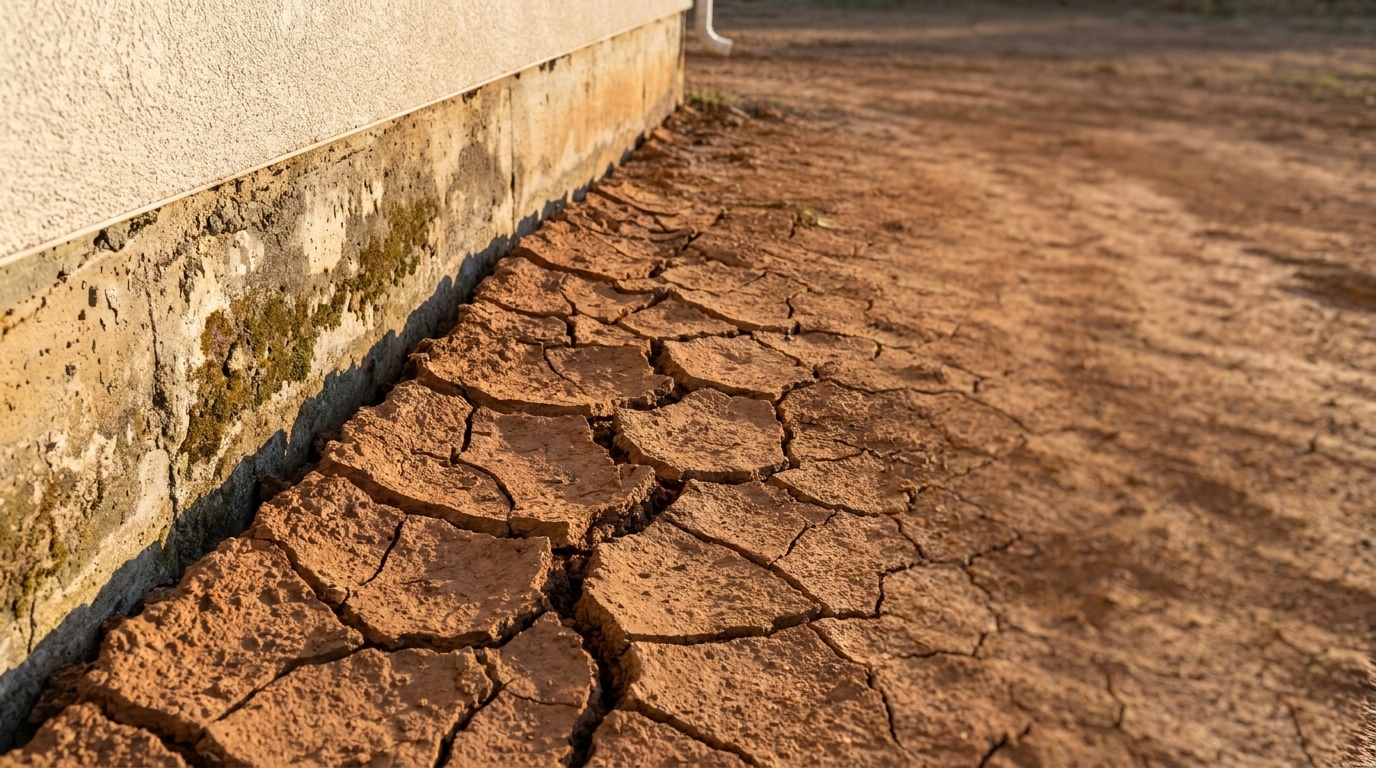
Weather can influence the soil surrounding a foundation, particularly in regions where periods of heavy rain are followed by extended dry conditions. Some soils expand as they absorb moisture and contract as they dry, which can contribute to movement around a home. Because these conditions fluctuate throughout the year, there is not necessarily one season that is ideal for every property. Foundation repair timing may depend more on the specific soil conditions, drainage patterns, and observed movement than on whether the work is completed during spring, summer, fall, or winter. A professional assessment can provide insight into how local conditions may be affecting the property.
Avoid Waiting for Problems to Become More Noticeable
Homeowners sometimes postpone an inspection because the signs they notice seem minor. While monitoring small changes can provide useful information, persistent or expanding issues may deserve professional attention. Addressing concerns earlier can make it easier to understand the source of the movement and determine whether repairs are appropriate. Keeping photographs and noting when cracks, gaps, or other changes first appeared can also provide useful context during an evaluation. The goal is not to assume that every visible change requires extensive work, but rather to understand the condition of the foundation before making decisions.
Plan Foundation Repairs Around Your Home’s Needs
The best time to schedule foundation work is ultimately based on the individual property rather than a specific month on the calendar. Soil characteristics, moisture levels, drainage, the age of the home, and the extent of observed movement can all influence the appropriate approach. Homeowners planning renovations may also choose to have foundation concerns evaluated before beginning major interior improvements, particularly when those projects involve flooring, walls, or other finishes that could be affected by structural movement.
There is no single season that is always the perfect time for home foundation repair, since every property responds differently to changes in soil, moisture, drainage, and weather conditions. Paying attention to developing cracks, uneven floors, shifting doors or windows, and other changes can help homeowners determine when a professional evaluation may be appropriate. When these concerns persist or become more noticeable, homeowners may contact Pinnacle Foundation Repairfor additional insight into their foundation’s condition and the factors that may be contributing to movement. Addressing potential concerns based on the home’s current condition rather than waiting for a particular season can help homeowners make informed decisions about maintenance and support the long-term stability of their property.