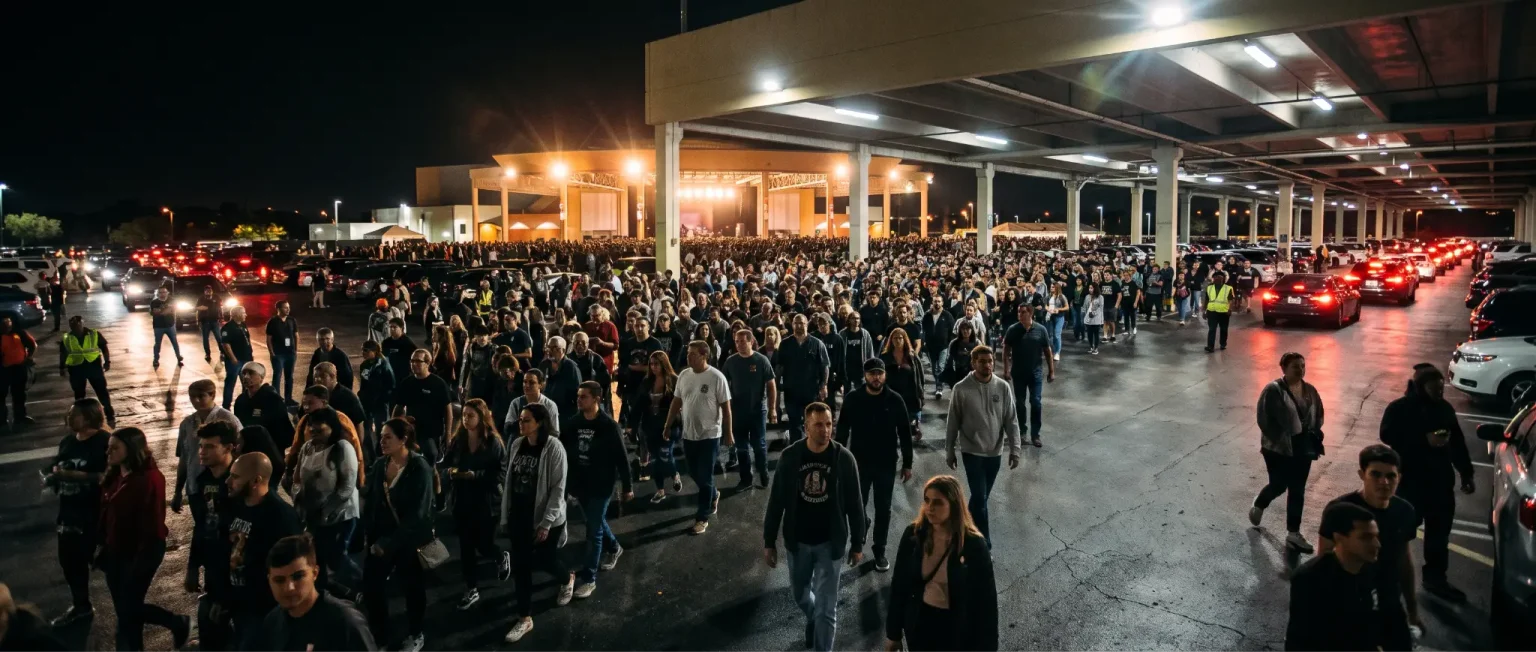
The dangerous part of a concert is not the concert. It is the ninety minutes afterward, when a venue that spent three hours filling up empties all at once into a street grid that was never designed for it.
Everyone leaves at the same moment. That single fact produces a risk profile unlike ordinary night driving, and it produces a specific legal problem that most people only discover afterward.
The Risk Is Concentrated, Not General
Everybody exits on the same signal
A venue does not release its audience gradually. The encore ends and several thousand people move at once, which means the surrounding roads go from normal flow to saturation in about ten minutes. Drivers who would navigate those streets competently at any other hour are suddenly doing it in a queue, in the dark, while scanning for the garage exit.
Pedestrians are everywhere and not where drivers expect
The crowd walking to cars, to rideshares and to bars is crossing mid-block because the crosswalk is two hundred feet away and the street is stationary anyway. Drivers are watching for brake lights at bumper height, not for people appearing between stopped vehicles.
The impairment curve lags the event
Someone who stopped drinking during the last three songs is not at their peak blood alcohol when they reach the car. They are climbing toward it while driving home. Florida’s driving under the influence provisions do not care how long ago the last drink was, and neither does the physiology.
Why the Paperwork Often Does Not Exist
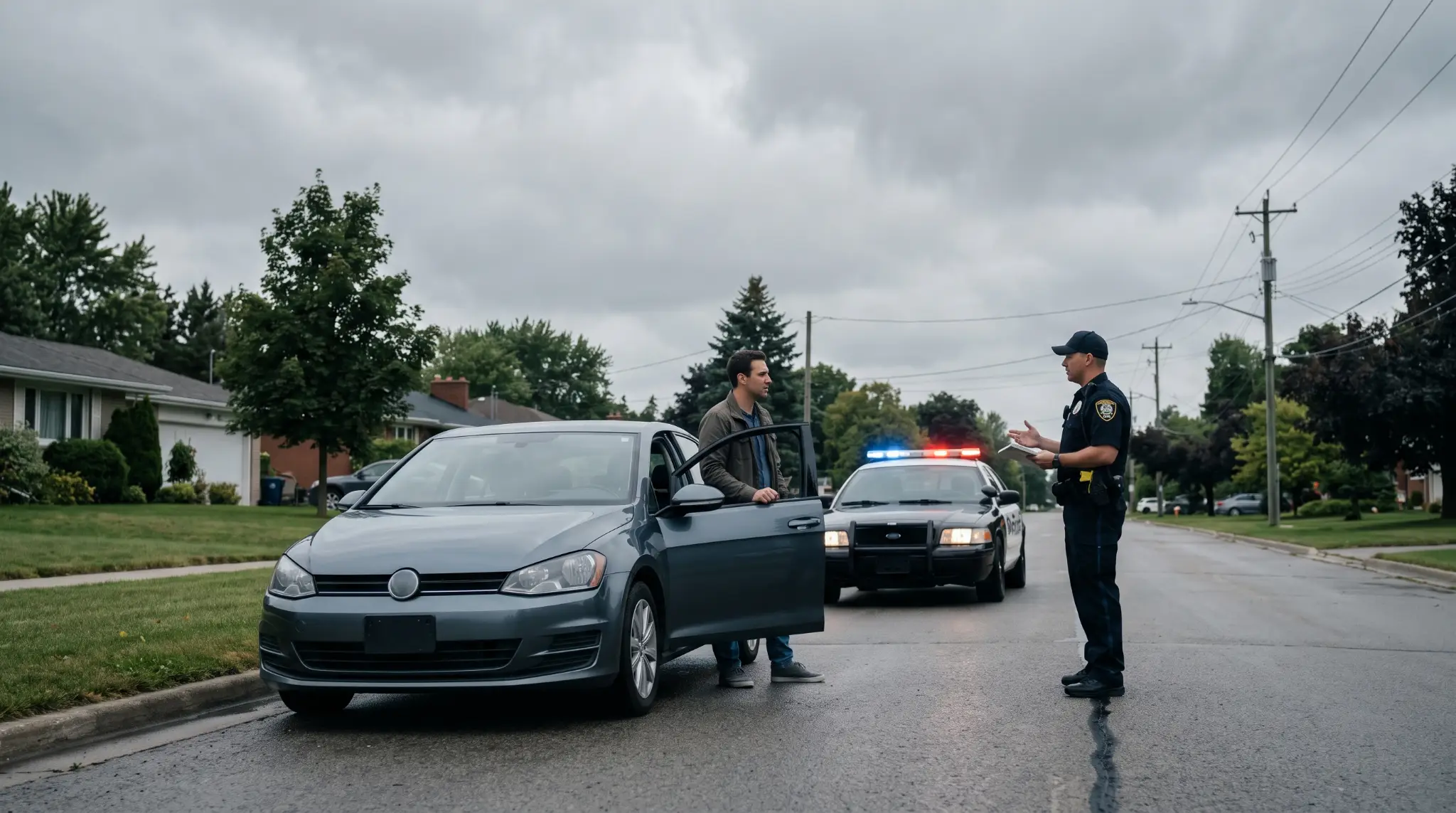
Most post-show collisions are slow ones in a parking structure rather than impacts on open road, and Florida’s reporting rule sets a threshold that slow collisions often appear to fall under. Under the statute governing crash reports, a driver must immediately notify law enforcement where a crash results in injury or death, or apparent property damage of at least $2,000. In the first five minutes, a bumper scuff in a garage looks like neither.
So nobody calls. There is no officer, no report, no independent record of who was where, and two weeks later the claim becomes one person’s word against another’s with an insurer deciding between them.
According to personal injury lawyer Nicholas R. Thompson, Principal and Managing Partner at RTRLAW, the absence of a crash report is the single most common weakness in claims arising from parking facilities and event venues, because the damage looks minor at the scene and the injury surfaces days later with nothing contemporaneous to anchor it. Anyone hurt leaving an event is better served treating it as a reportable collision from the outset, and a lawyer dedicated to auto‑injury claims in Fort Lauderdale can explain what the threshold means before an adjuster characterizes it.
What to do when it looks too small to report
Exchange full details rather than a phone number. Photograph both vehicles, both plates and the surrounding structure, including any visible camera. Note the level and the bay number. Garage and venue cameras overwrite on cycles measured in days, so a written request to preserve footage, sent that week, is worth more than anything you can do a month later.
The Legal Problem Is the Parking Structure
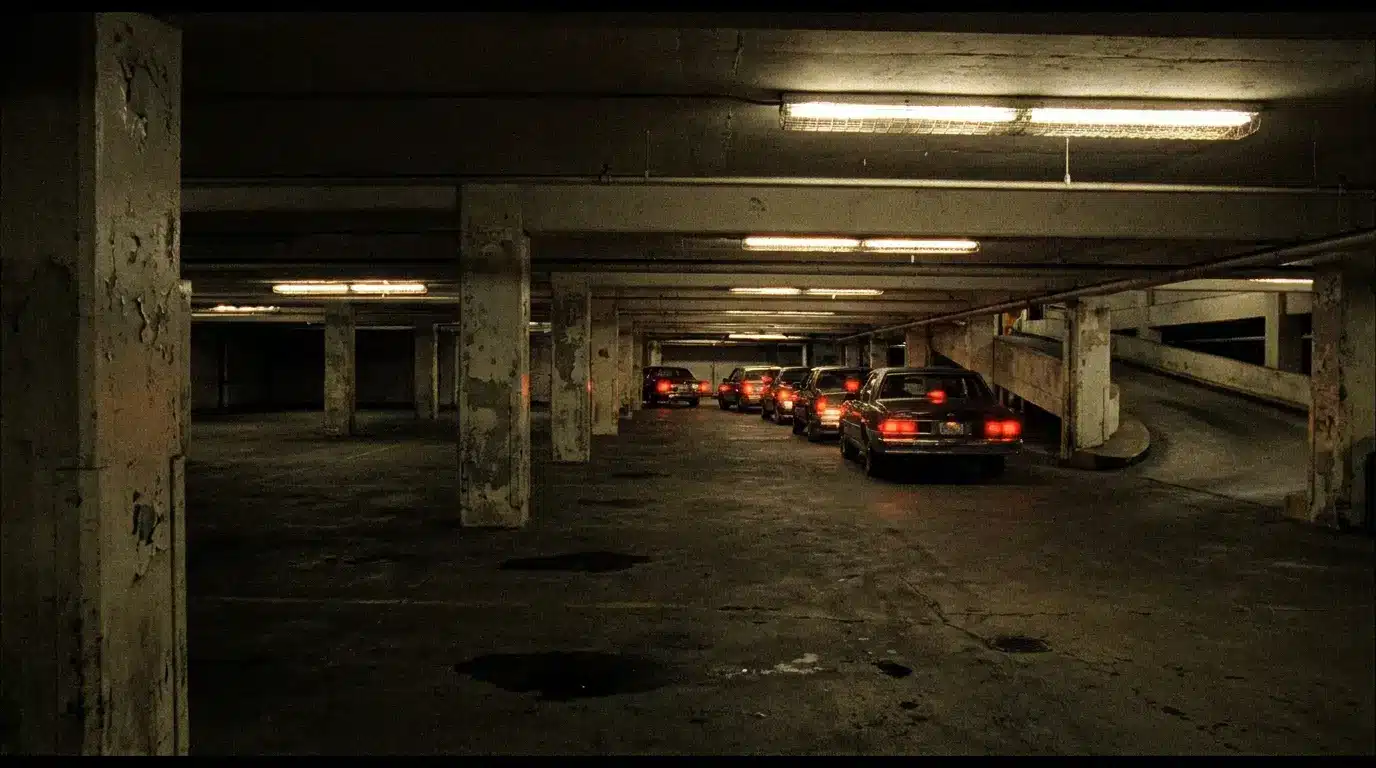
Most post-show collisions are low speed and in a lot
The crash that actually happens on concert night is frequently not a highway collision. It is a backing collision in a garage, a sideswipe in a queue for the exit ramp, or a pedestrian struck at walking pace between parked cars. Damage is moderate, injuries are real, and speeds are low enough that everyone involved underestimates it.
Low speed does not mean low injury
Cervical injuries, shoulder injuries and knee injuries from a braced impact are routine at these speeds, and they often declare themselves two or three days later. By then the other driver is unreachable and the scene is a different set of parked cars.
Driving Patterns That Actually Reduce the Risk
Leave during the encore or wait it out
The ninety-minute peak is the problem, so the solution is to not be in it. Sitting in the venue for twenty minutes after the lights come up removes most of the exposure at no real cost.
Park facing out and on a lower level
Backing out of a space into a moving queue is where garage collisions happen. Reversing into the space on arrival, when the lot is calm, converts the hard maneuver into the easy one.
Treat the garage as a road
Florida’s careless driving standard is about operating with reasonable care in the circumstances, and a crowded parking structure full of pedestrians is a circumstance that demands more of it, not less. The habit of relaxing once the car is in the lot is exactly backward.
Give the rideshare queue room
Pickup zones generate sudden stops, doors opening into traffic lanes and passengers stepping out between vehicles. It is the densest concentration of unpredictable movement in the whole area, and the easiest to simply route around. If you are the one being collected, walk a block away from the designated zone and meet the car there. The wait is shorter, and you are stepping into a vehicle on a quiet street rather than in a scrum of idling traffic where nobody is looking for a pedestrian at door height.