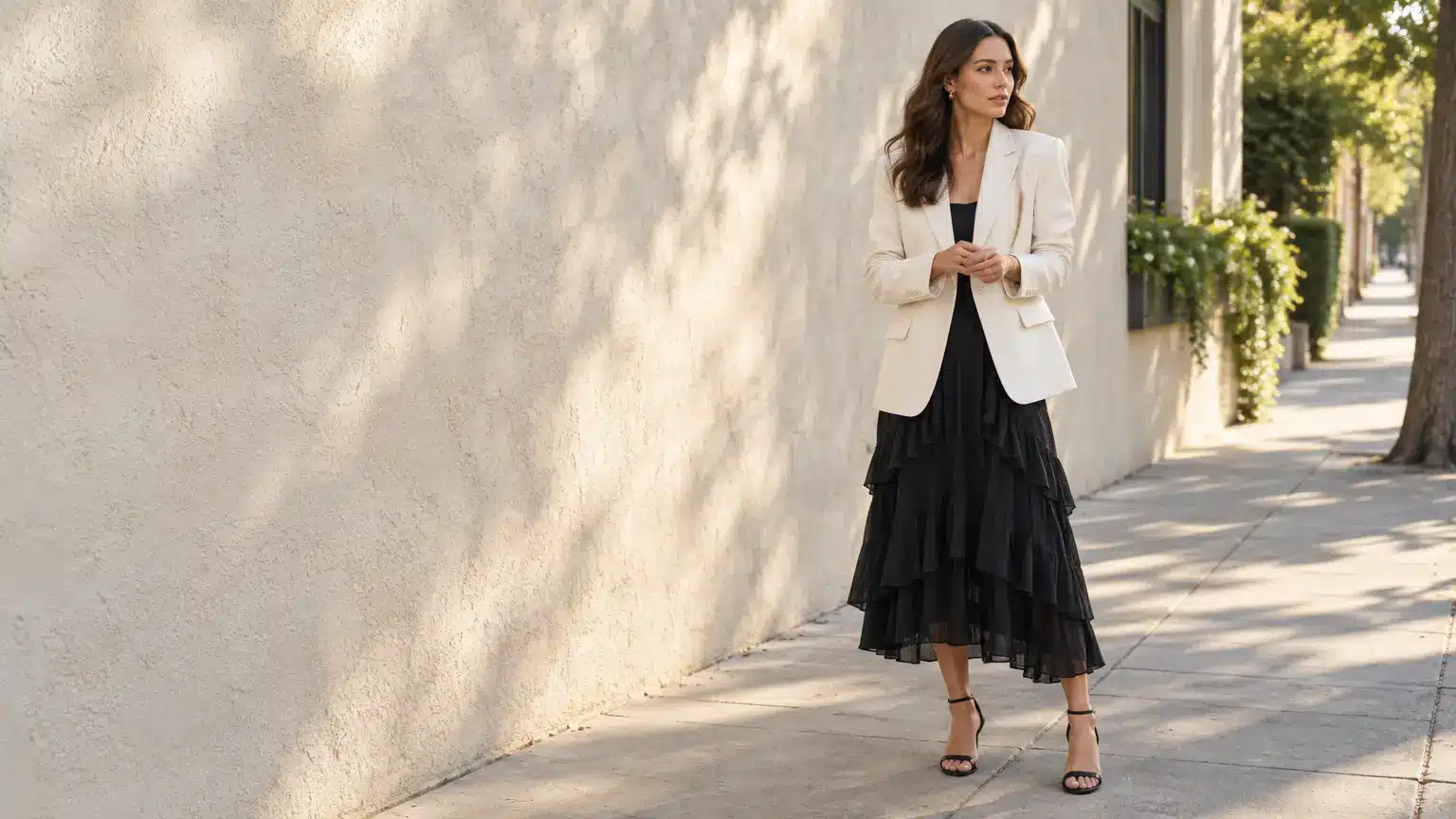


Eyeglasses no longer have to sit outside a carefully considered wardrobe. The right frame can work much like jewellery, a handbag, or a favourite pair of shoes, adding shape, colour, and personality to an everyday look. Exploring different styles of women’s eyeglasses can therefore be less about following one universal rule and more about finding a frame that feels consistent with how you already dress.
That shift makes eyewear shopping both more interesting and more personal. Face shape can provide a useful starting point, but it is only one part of the decision. Personal style, colour preferences, daily routine, comfort, and the impression you want to create all matter when choosing a pair you may wear for hours at a time.
Start With the Style You Already Wear
A common mistake is choosing glasses as if they exist separately from the rest of an outfit. A frame may look attractive on its own but feel disconnected from the clothes, accessories, and colours that dominate your wardrobe.
Instead of beginning with a list of trends, look at the items you wear most often. The shapes, materials, and details that already appeal to you can reveal which frames are likely to feel natural.
Minimal and Understated Style
If your wardrobe is built around clean tailoring, neutral colours, and simple silhouettes, eyewear with restrained details may fit easily into your look.
Consider:
- Slim metal frames
- Fine rectangular silhouettes
- Soft oval shapes
- Clear or translucent acetate
- Black, tortoiseshell, silver, or warm gold
- Frames without oversized logos or decoration
Minimal does not have to mean invisible. A precise geometric shape or subtle metallic finish can still add definition without competing with the rest of the outfit.
Vintage-Inspired Style
For wardrobes influenced by retro dresses, structured coats, classic denim, or vintage accessories, frames with a recognisable historical reference can become part of the story.
Cat-eye glasses can bring a 1950s-inspired lift, while rounded frames may suggest a softer 1960s or 1970s mood. Tortoiseshell acetate, warm amber, deep burgundy, and muted green can reinforce the vintage effect without making the outfit feel like a costume.
The key is to borrow one or two period details rather than matching every element too literally.
Creative and Expressive Style
If you regularly wear bold colour, sculptural jewellery, unusual prints, or experimental silhouettes, your glasses can carry the same energy.
Oversized frames, angular shapes, bright acetate, transparent colour, and mixed materials can act as a focal point. A distinctive frame may even simplify the rest of the styling because it already provides visual interest near the face.
Expressive glasses still need to be wearable. Check that the frame does not feel excessively heavy and that the proportions remain comfortable during daily use.
Use Face Shape as Guidance, Not a Restriction
Traditional eyewear advice often suggests balancing one face shape with the opposite frame shape. Round faces are directed toward angular glasses, while square faces are told to choose curves.
This can be helpful, but it should not become a strict rule. Two people with a similar face shape may have different brow lines, cheekbone placement, hairstyles, and style preferences.
Look at Overall Proportion
Frame width is often more important than a simple face-shape label. Glasses that are too narrow can make the face appear wider and may feel tight at the temples. Frames that are excessively wide may slide or overwhelm smaller features.
A balanced frame will generally sit comfortably across the face without extending too far beyond its widest point.
Lens depth also changes the overall impression. Shallow rectangular lenses can appear precise and structured, while deeper lenses often feel softer, bolder, or more relaxed.
Notice the Relationship With Your Brows
The upper line of a frame sits close to the eyebrows, so the two shapes naturally interact.
A frame that loosely follows the brow line can create a balanced appearance. A more angular or lifted shape can add definition, while a rounded upper line may soften the face.
The frame should not hide the brows completely unless that oversized effect is intentional. Brows contribute expression, so leaving some visual space around them can help the face remain open.
Consider the Bridge and Nose Fit
The bridge affects both appearance and comfort. If it is too wide, the glasses may slide. If it is too narrow, it may create pressure.
Different bridge designs also change how a frame sits. Adjustable nose pads can offer greater control, while an acetate bridge depends more heavily on finding the right shape and width.
Fit matters as much as style because a pair that constantly needs adjustment is unlikely to become an effortless part of your wardrobe.
Choose a Colour That Works Near Your Face
Frame colour sits directly beside the eyes, brows, skin, and hair. This makes it more influential than a colour worn farther away from the face.
There is no requirement to follow a strict seasonal colour system, but it helps to notice whether you tend to prefer warm, cool, soft, or high-contrast shades.
Neutral Frames for Everyday Versatility
Black, brown, tortoiseshell, silver, gold, and transparent frames are popular because they work across many outfits.
Black creates definition and can feel graphic or polished. Tortoiseshell adds warmth and visual texture. Silver often feels crisp and modern, while gold can bring softness and warmth. Clear frames are understated from a distance but still look contemporary up close.
A neutral frame does not have to match every accessory. It only needs to sit comfortably within the overall colour language of your wardrobe.
Coloured Frames as a Style Accent
Colour can be surprisingly wearable when it relates to something already present in your style.
Deep green, navy, burgundy, dusty rose, or transparent blue can function almost like neutrals. Brighter shades can create a stronger statement, particularly when the rest of the outfit is simple.
If you are uncertain, look at colours you already wear near your face, such as scarves, earrings, lipstick, or tops. A frame in a related shade may feel easier to integrate.
Think About Your Real Daily Routine
A beautiful frame should also make sense for the way you live. The pair you choose for occasional social events may be different from the one you wear through long workdays.
Before deciding, consider where and how often the glasses will be worn.
Frames for Work and Everyday Use
Everyday frames benefit from versatility and comfort. They should work with casual clothing, professional outfits, and the accessories you wear most frequently.
Weight, temple pressure, bridge fit, and frame stability become more important when glasses are worn for many hours. A visually striking design may still work as an everyday frame, but it should not create constant physical distraction.
Frames for Multiple Style Roles
Not every pair needs to blend quietly into every outfit. Some people prefer one understated everyday frame and another more expressive option for social occasions or creative styling.
If you are choosing only one pair, consider a frame with a familiar shape and one distinctive feature. This might be a neutral cat-eye, a clear oversized frame, or a classic silhouette in an unexpected colour.
This balance can make the glasses versatile without making them forgettable.
Try Frames as Part of a Complete Look
Eyewear decisions are often made in isolation, but glasses are rarely worn that way. Hair, makeup, jewellery, necklines, and clothing all influence how a frame appears.
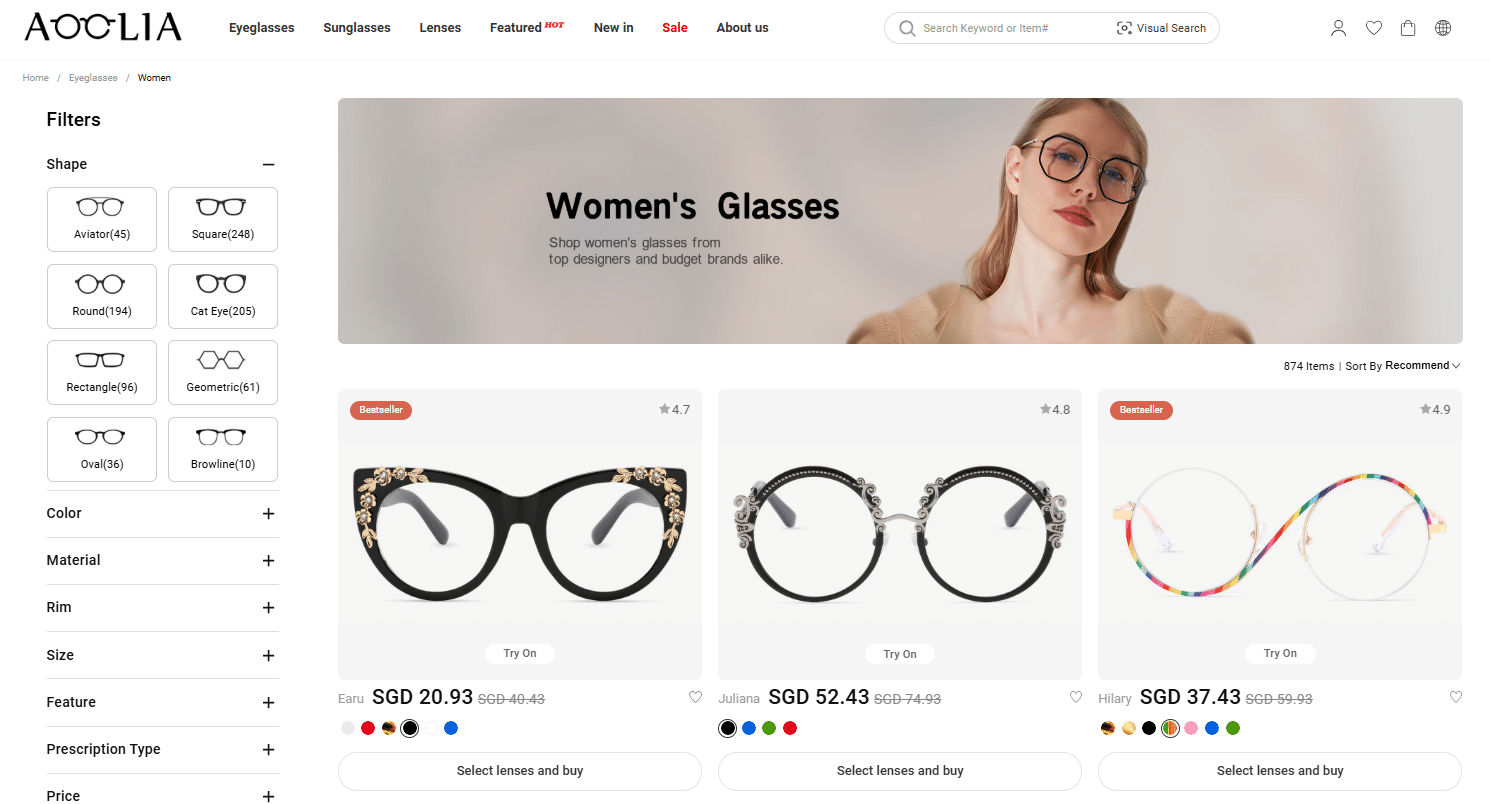
When browsing women’s eyeglasses, compare options with the kinds of looks you actually wear rather than imagining the frame against a completely neutral background.
Coordinate Without Matching Everything
Glasses do not need to match earrings, hardware, or clothing exactly. A mixture of metals or colours can look intentional when the overall balance feels right.
A gold frame can work with silver jewellery, and tortoiseshell can sit comfortably beside black accessories. Repetition helps, but perfect coordination is unnecessary.
The aim is visual conversation rather than exact matching.
Use Virtual Try-On as an Initial Filter
A Virtual Try-On tool can help compare frame width, lens depth, colour, and overall character before making a decision. It is particularly useful when moving between shapes that create very different impressions.
Try several options rather than only the style you expect to like. A softer oval, sharper cat-eye, or larger geometric frame may look different on your face than it does in a product image.
Virtual Try-On is a helpful visual guide, but it cannot fully confirm physical fit. Frame measurements and prescription requirements still need consideration.
Pay Attention to Frame Measurements
Style attracts attention first, but measurements determine whether a frame is likely to feel balanced and comfortable.
Eyeglass measurements commonly include lens width, bridge width, and temple length. Comparing these numbers with a pair you already wear comfortably can provide a practical reference.
Lens Width and Frame Width
Lens width influences how large the glasses appear across the face. A few millimetres can create a noticeable difference, especially with bold acetate frames.
Overall frame width should also be considered. Two designs with similar lens measurements may fit differently because of hinge placement, rim thickness, or decorative extensions.
Bridge Width
Bridge width affects where the glasses sit and whether they remain stable. The correct number can vary depending on the shape of the bridge, so measurements should be treated as guidance rather than the only fit indicator.
Temple Length
Temple arms should extend comfortably behind the ears without excessive pressure. Arms that are too short may pull the frame backward, while very long temples may affect stability.
Consider the Lenses Alongside the Frame
A fashionable frame still needs to support its practical purpose. Prescription requirements can affect which lens shapes, sizes, and materials are most suitable.
The final choice may also depend on whether the glasses are intended for distance vision, reading, progressive lenses, screen use, driving, or changing light conditions.
Match the Frame to the Prescription
Some prescriptions may work better with certain lens dimensions or frame constructions. Before finalising a frame, confirm that it is compatible with the required lenses.
This is particularly important for very oversized, rimless, highly curved, or unusually narrow designs.
Choose Options Based on Use
Blue-light-filtering, photochromic, progressive, or driving lenses may be useful in specific routines, but no option is automatically right for everyone.
The lens choice should reflect professional guidance, the prescription, and how the glasses will actually be used. Eyewear should not be described as treating or preventing medical conditions unless supported by appropriate evidence.
Avoid Choosing Only for a Short-Lived Trend
Trends can be a useful source of inspiration. Oversized acetate, transparent colours, narrow rectangles, and renewed cat-eye shapes can all introduce fresh possibilities.
The question is whether the trend connects with something you already enjoy wearing.
Look for a Personal Connection
A trend is more likely to last in your wardrobe if it reflects an existing preference. Someone who already wears sharp tailoring may continue enjoying an angular frame after the trend cycle changes. A person drawn to vintage accessories may find that cat-eye glasses remain relevant for years.
Balance Novelty With Wearability
If a very bold shape feels exciting but uncertain, consider a toned-down version. Choose the same silhouette in a neutral colour, or select a colourful frame with a familiar shape.
This preserves the interesting part of the trend while making the glasses easier to wear regularly.
Create a Small Eyewear Wardrobe Over Time
Just as one pair of shoes cannot suit every occasion, one pair of glasses does not have to perform every style role.
A small eyewear wardrobe might include:
- A neutral everyday frame
- A lighter or transparent option
- A bold statement frame
- Prescription sunglasses
- A frame suited to formal or professional settings
There is no need to build this collection immediately. The first priority is choosing one pair that fits comfortably and works with the largest part of your real wardrobe.
Final Thoughts
The best women’s eyeglasses do more than satisfy a face-shape formula. They support the prescription, sit comfortably, suit the wearer’s routine, and feel connected to an existing sense of style.
Start with the clothes, colours, and accessories you already love. Use face shape and measurements as practical guidance, compare frame colours near the face, and think about how the glasses will function throughout the day.
A frame feels truly personal when it does not require you to become someone else to wear it. It should feel like a natural extension of the style you have already built.
Frequently Asked Questions
Should eyeglasses match my face shape?
Face shape can provide useful guidance, but it should not be treated as a strict rule. Frame width, brow line, bridge fit, hairstyle, and personal style can be equally important.
What Colour Eyeglasses Are Easiest to Wear Every Day?
Black, tortoiseshell, brown, gold, silver, and transparent frames tend to work with a wide range of wardrobes. Muted colours such as burgundy, navy, or deep green can also function like neutrals.
How Do I Know Whether an Eyeglass Frame Will Fit?
Compare the lens width, bridge width, temple length, and overall frame width with a pair that already feels comfortable. Virtual Try-On can help with visual proportion, but measurements and physical fit should also be considered.