

Search “lip flip before and after” and you’ll find rows of photos promising fuller, more defined lips without a single drop of filler. It sounds too simple to be real, but the mechanics check out.
A lip flip doesn’t add volume; it changes how the upper lip behaves when you smile, talk, or rest. That distinction matters more than most people realize before booking a consultation.
The changes are subtle at first, with the upper lip gradually becoming more visible over the following days. Cost, longevity, recovery, and real-world results are also worth considering before deciding if it suits you.
What Is a Lip Flip?
A lip flip is a small dose of botulinum toxin, usually Botox or Dysport, injected just above the upper lip.
It softens the pull of the orbicularis oris, the muscle that circles the mouth, so the lip rotates gently outward at the border instead of curling in.
No filler goes in. No tissue is added. The size of the lip stays the same; only its resting position changes.
Most people consider a lip flip for:
- More defined lip line when smiling
- Less gum showing when smiling
- Softer vertical lines above the upper lip
- A lower-commitment alternative to filler
A consultation is still the right first step, since results depend heavily on your natural lip anatomy and how your muscles move.
Lip Flip vs Lip Filler vs Botox: How They Actually Differ
| Basis | Lip Flip | Lip Filler | Botox (Other Areas) |
| What It Is | A specific technique using botulinum toxin on the upper lip | A hyaluronic acid gel injected into lip tissue | Botulinum toxin is used on the forehead, eyes, jaw, or neck |
| Method | Relaxes the orbicularis oris so the lip rotates outward | Physically adds volume and structure to the lip | Relaxes the target muscle to soften movement and lines |
| Target Area | Upper lip border only | Upper and/or lower lip tissue | Varies by treatment zone |
| Effect on Volume | None; repositions existing tissue | Increases lip size and shape | None; treats expression lines |
| Amount Used | 4–5 units | Measured in syringes (0.5–1 mL typical) | 10–25 units depending on area |
| Procedure Time | 5–10 minutes | 30–45 minutes | 15–30 minutes |
| Approx. Cost | $80–$250 | $495–$700+ per syringe | $200–$600 depending on area |
| Result Duration | 6–8 weeks, up to 3–4 months | 6–12 months | 3–6 months |
Real Lip Flip Before and After: What Patients Actually Report
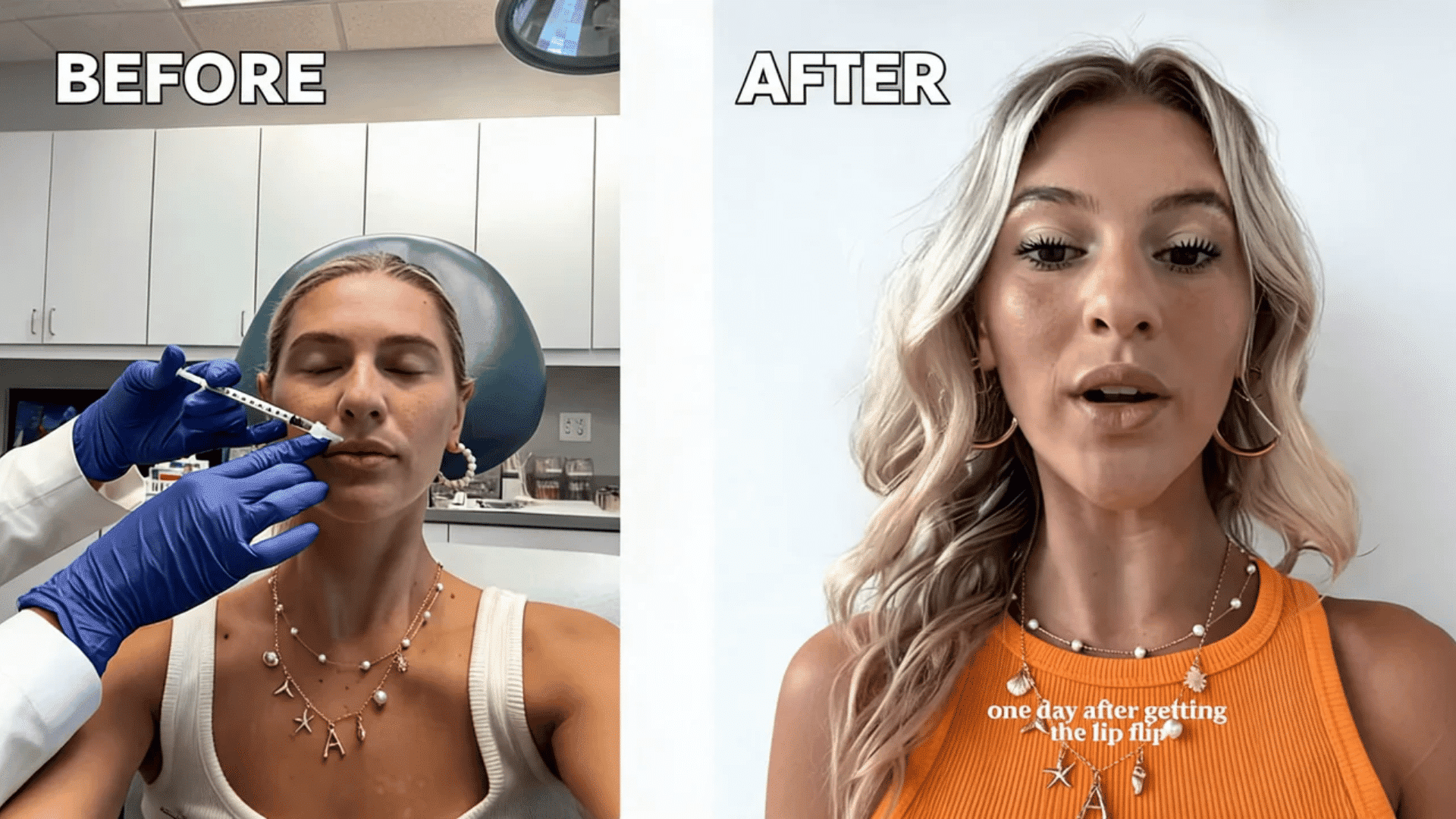
Written descriptions only go so far, which is why so many people search for actual footage before booking. One example worth watching comes from nurse injector (@julieteigennp on Instagram).
A before-and-after reel shows the subtle upward rotation and increased lip show that a well-dosed flip produces, and reminds you that over-injecting this area can make speech and straw drinking harder.
A few things worth noticing across patient videos like this one:
- The change is almost entirely visible on a smile, not at rest
- Good injectors consistently warn against overdoing units in this area
- Most patients describe the result as “more lip” rather than “different lips”
Ask your injector for both a resting and a full-smile photo at your two-week follow-up so you’re comparing the same expression before and after.
If you’re evaluating your own consultation photos against content like this, remember that lighting, camera angle, and the exact moment a photo is taken (mid-smile versus relaxed) all shift how dramatic the change looks.
Lip Flip Before and After Results
Photos tell part of the story, but they only make sense once you know what to look for. The change lives in movement and resting position, not in raw lip size, so side-by-side comparisons reward a closer look rather than a quick glance.
Before the Procedure
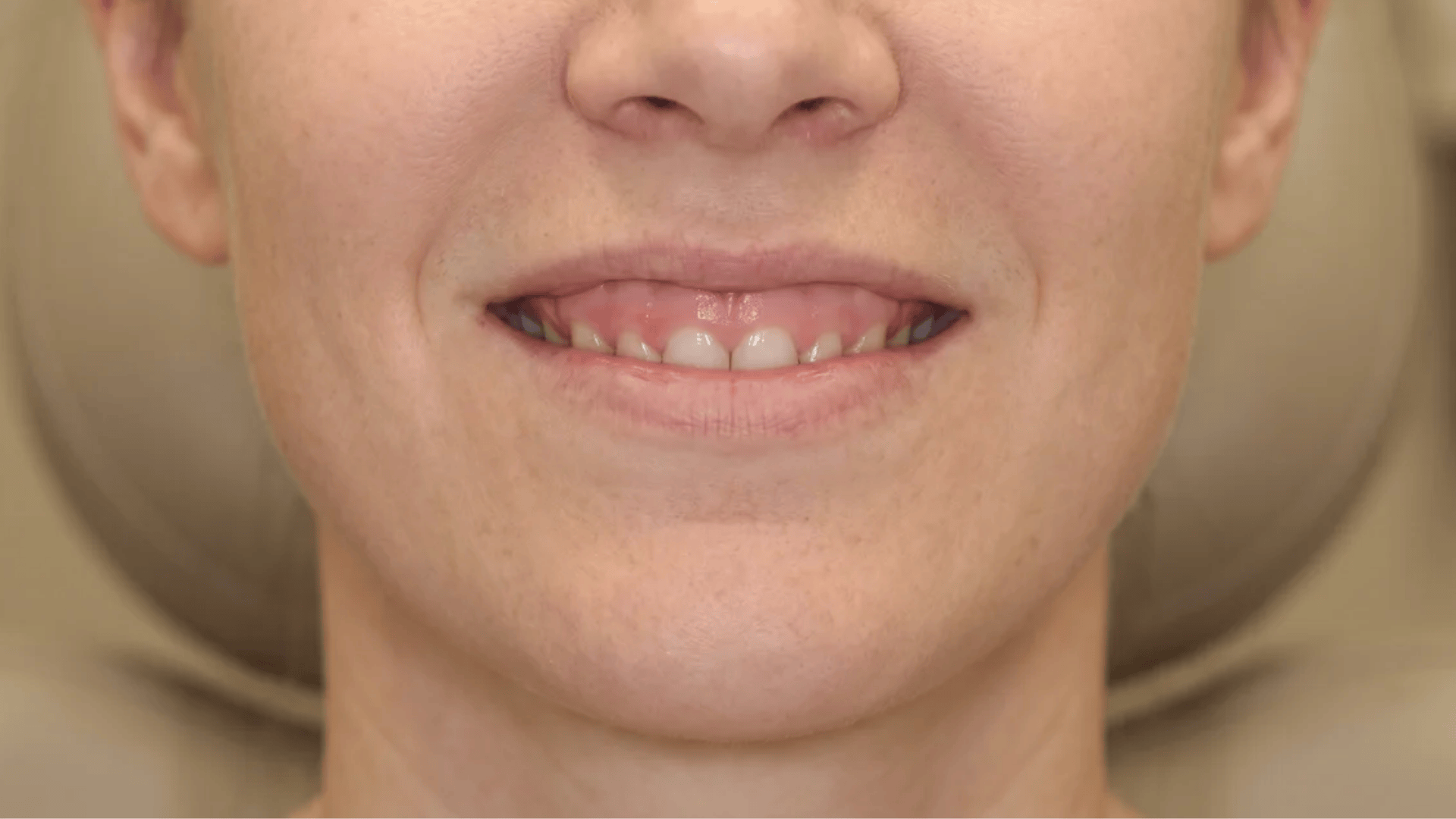
Untreated, the orbicularis oris pulls the upper lip inward every time it’s engaged. This shows up in a few consistent ways:
- The upper lip thins out or nearly disappears when smiling
- The lip curls inward, sometimes exposing more gum than intended
- Fine vertical lines sit above the lip border, especially with animated speech
- At rest, the lip may look flatter or less shaped than the lower lip
This is the baseline every after-photo gets measured against, so it’s worth studying your own smile in a mirror before treatment day.
After the Procedure
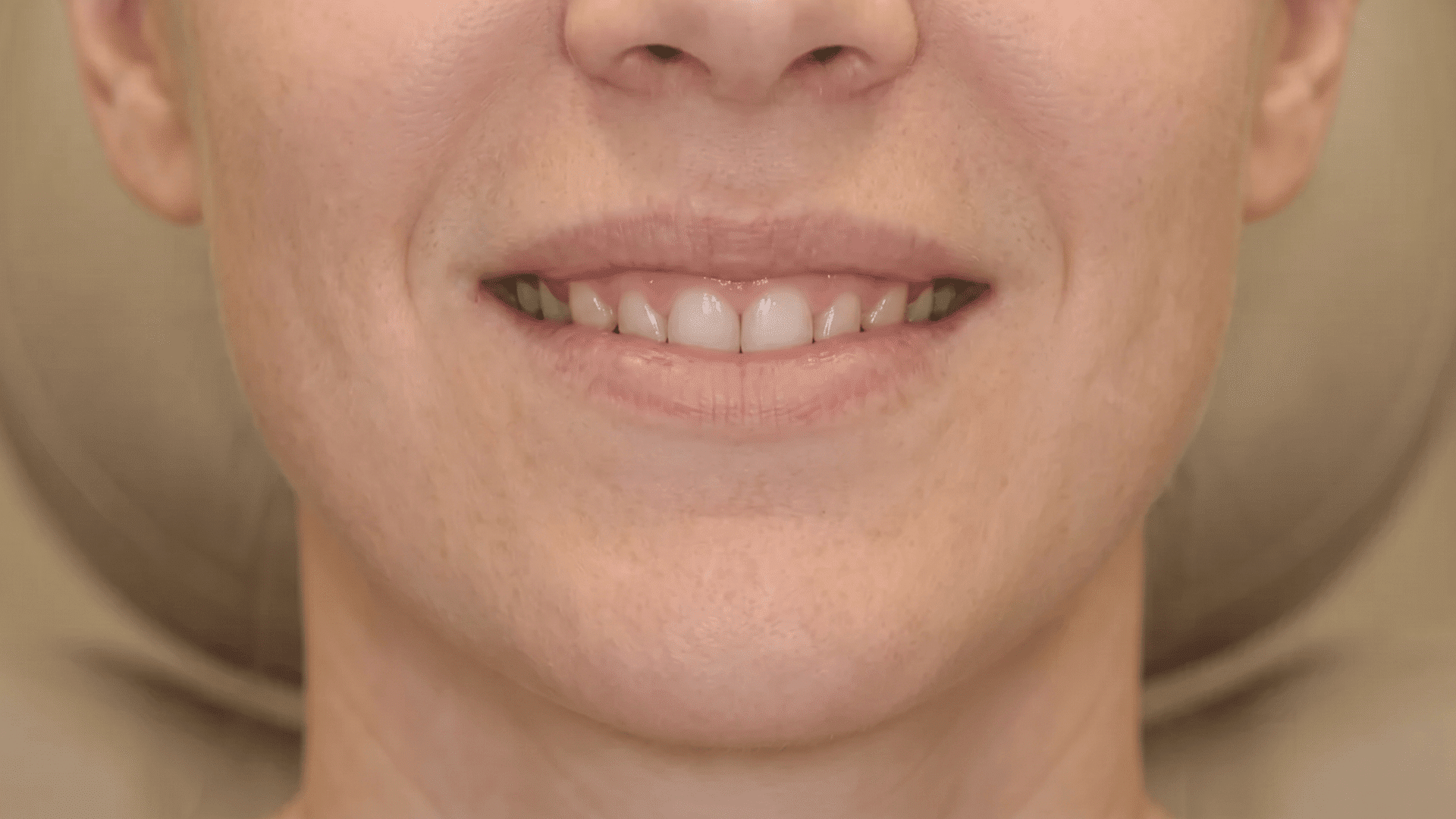
Once the lip flip takes effect, you’ll see subtle yet noticeable changes that enhance your smile without overwhelming your natural features.
- The upper lip looks slightly more defined, creating a subtle fullness.
- The lip rests more outward, reducing the inward curl.
- The smile appears softer, with less gum exposure.
- Fine lines around the lip are subtly smoothed, enhancing the overall look.
These improvements will give your smile a more balanced and youthful look, all without the need for added volume
How Long Does a Lip Flip Actually Last?
A lip flip typically lasts 6 to 8 weeks, with some patients seeing effects hold through 10 to 12 weeks.
That’s shorter than most Botox treatments elsewhere on the face, and the reason comes down to how the mouth is used.
The orbicularis oris is in near-constant motion from talking, eating, drinking, and smiling, and that repeated activity breaks down the toxin faster than in a low-movement area like the forehead.
Providers also use a smaller dose here, just 4 to 5 units compared to 10 to 25 elsewhere, which naturally wears off sooner.
If you want the result to stay consistent year-round, plan on a touch-up roughly every two months rather than treating it as a one-time fix.
What Are the Potential Side Effects of a Lip Flip?
Lip flips are considered low-risk when done by an experienced injector, but no injection is entirely without downside. Most side effects are mild and short-lived, showing up in the first few days and resolving on their own.
- Swelling and bruising: Mild puffiness around the upper lip that typically fades within a few days.
- Temporary functional changes: Some difficulty drinking through a straw, whistling, or pronouncing certain consonants while the muscle is most relaxed.
- Smile asymmetry: Uneven or “flat” appearance when smiling, more likely if too much product is used.
- Mild drooling: Occasional and temporary, tied to the same muscle relaxation that creates the flip.
- Headache or flu-like symptoms: Rare and short-lived, occurring in a small number of patients after injection.
Anything beyond mild discomfort, or symptoms that don’t improve within a week, is worth calling your injector rather than waiting it out.
What Are the Pros and Cons of a Lip Flip?
Every patient weighs this differently, but the trade-offs are consistent enough to lay out plainly before you commit to a treatment plan.
Pros:
- Subtle, natural-looking enhancement without added lip volume
- Fast appointment, usually done in 10 to 15 minutes
- Lower cost of entry than filler
- Reduces gum exposure on a smile for many patients
- Fully reversible as the toxin wears off over a few months
Cons:
- Results fade faster than filler, typically within 6 to 8 weeks
- Does not add fullness for genuinely thin or small lips
- Over-relaxation can affect straw drinking, whistling, or certain speech sounds
- Doesn’t address the lower lip
- Requires repeat visits to maintain the look
How Much Does a Lip Flip Cost?
Most patients pay between $150 and $350 per session, with a national range of roughly $80 to $500 depending on location and provider.
Pricing tends to track two things: geography and the toxin brand used. Coastal cities like New York and Los Angeles run toward the higher end of that range, while many mid-sized cities and rural practices price closer to $100 to $200.
Because the treatment area is small and the unit count is low, a lip flip is consistently one of the more affordable injectable options, often priced well under a single syringe of lip filler.
Note: Prices can vary depending on the location, practitioner, and type of neurotoxin used.
Lip Flip Procedure: What to Expect
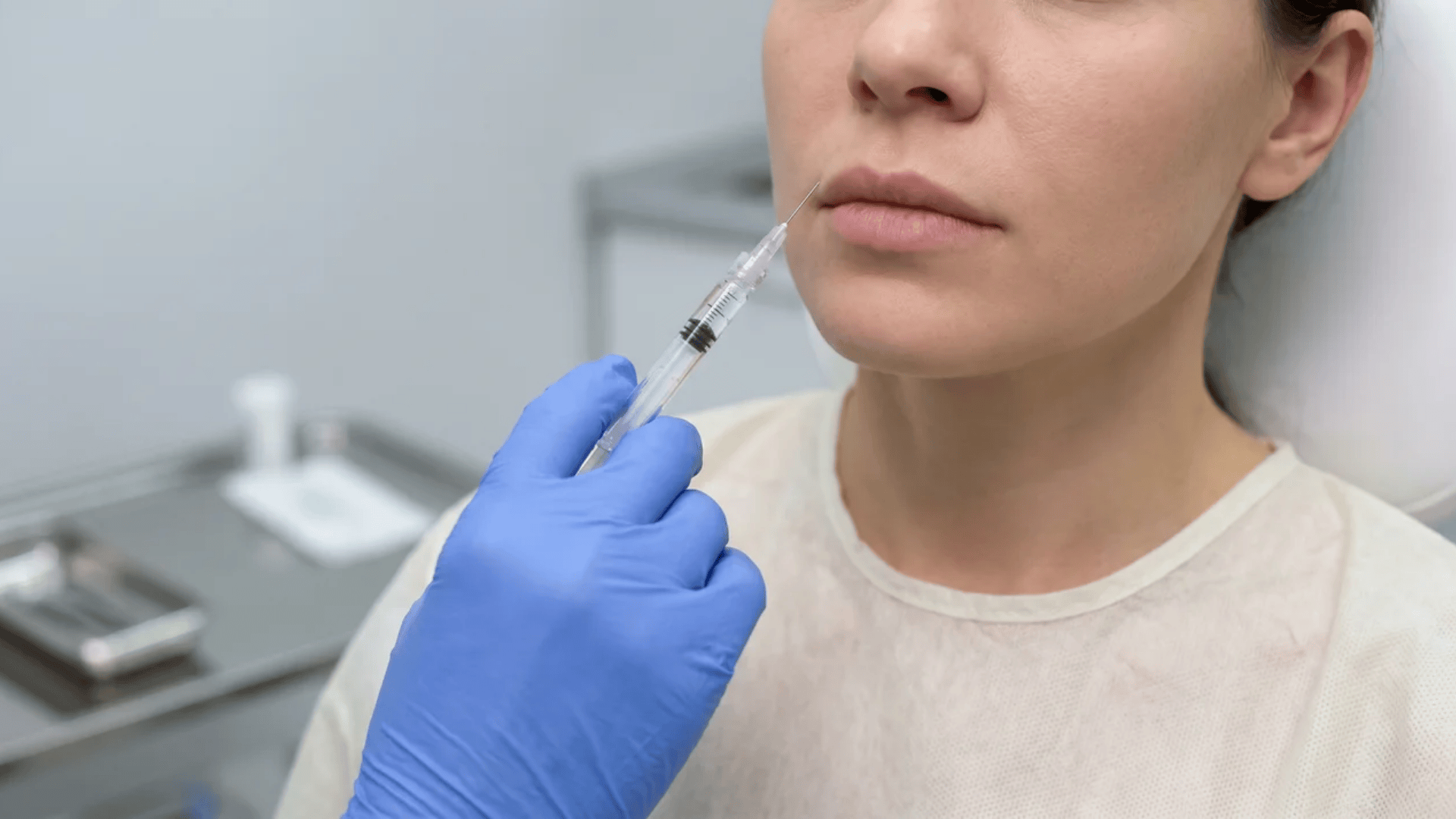
Before: Consultation
During your consultation, a trained practitioner evaluates your lip anatomy and discusses your goals, building a plan that tailors the treatment to your needs.
The session begins with an assessment of upper lip movement during rest and smiling, focusing on lip balance and how much the lip shows when speaking or smiling.
Consult a qualified professional nearby before any procedure. Results vary per individual.
During: Treatment
After consultation, the procedure follows a simple step-by-step process:
The lip area is cleaned → small Botox units are injected above the upper lip → mild pressure is applied → the area is checked briefly
Each injection takes just a few seconds and may cause mild discomfort. The treatment usually lasts about 10 to 15 minutes.
Results Timeline:
| Days 1–2 | No visible change yet; the toxin is still settling in |
| Days 3–7 | The muscle begins to relax, and the lip starts turning outward |
| Weeks 2–8 | Peak results appear, with maximum outward rotation and definition |
| Months 2–3 | Effects gradually fade as the body absorbs the neurotoxin |
In just 1 to 2 weeks, you’ll notice a more defined, natural lift that enhances your smile.
Aftercare
Proper aftercare keeps results consistent and lowers the risk of side effects; a few simple habits on the first day make the biggest difference in how smoothly your lip flip settles in.
- First 24 hours: Skip strenuous exercise, saunas, hot showers, and direct sun exposure.
- Hands off: Avoid massaging, rubbing, or applying pressure to the upper lip to prevent the toxin from migrating.
- Sleep position: Rest on your back with your head slightly elevated the first night to limit swelling.
- Habits to pause: Hold off on straws, smoking, vaping, and kissing for 24 to 48 hours.
- Skincare: Skip lipstick or heavy lip products for the first 24 hours, and stick to gentle skincare around the area.
- Cold compress: A brief ice pack session, up to 10 minutes at a time, helps reduce swelling without added pressure on the area.
How painful is a lip flip procedure?
A lip flip causes minimal discomfort, usually just a quick pinch or light sting lasting seconds. The fine needle may make your eyes water briefly, but the injections finish in under 10 minutes, with mild tenderness or tightness fading within 24 hours.
Will Lips Go Back to Normal After a Lip Flip?
The effect is temporary. As the botulinum toxin wears off, upper lip muscle activity comes back, and the lip moves back to its original position.
The change is not permanent, so the lip gradually returns to its earlier look.
This usually takes around 6 to 12 weeks, and in some cases up to 3 months, depending on dose and how active the muscle is.
Final Thoughts
Every lip flip before-and-after comparison tells the same story: subtle repositioning, not added volume, softens a smile and balances the upper lip.
That’s the appeal for people who want visible change without committing to filler. A gummy smile settles down, fine lines relax, and the upper lip shows a little more of itself when you talk or smile, all while your natural shape stays intact.
Downtime stays minimal, results show within two weeks, and the effect wears off cleanly if it’s not for you.
Still comparing your own lip flip before and after photos to figure out if your results are on track? Drop your timeline in the comments, and I’ll help you read them.
Frequently asked questions
Can I Combine a Lip Flip with Other Treatments?
Yes, a lip flip can be combined with other cosmetic treatments, such as lip fillers or Botox in other areas, for a more enhanced effect. Always consult with a practitioner to ensure compatibility.
Is a Lip Flip Safe?
When performed by a trained and experienced practitioner, a lip flip is a safe and well-tolerated procedure. As with any cosmetic treatment, there are minimal risks, which we can discuss during your consultation.
Can a Lip Flip Correct a “gummy Smile” for Everyone?
While the lip flip can reduce gum exposure in many individuals, its effectiveness may vary based on the severity of the gummy smile and individual anatomy. Consulting a practitioner will help determine whether it’s the right solution.