


Depression care continues to evolve as research, technology, and personalized treatment approaches improve. Today’s psychiatry trends focus on making support more accessible, more flexible, and better suited to each individual’s needs.
Why Better Access Is Changing Outcomes
The conversation around mental health has changed dramatically over the past decade. Instead of waiting until symptoms become overwhelming, more people are seeking support earlier and exploring a wider range of evidence-based treatment options. That shift has encouraged health systems, providers, and researchers to rethink how care is delivered. One of the biggest developments has been the rise of wellness technology, which gives people more ways to stay engaged with treatment between appointments.
Mood tracking apps, guided mindfulness programs, wearable devices that monitor sleep patterns, and secure telehealth platforms can all support ongoing care when used alongside professional treatment. These tools are not designed to replace a licensed clinician, but they can provide valuable information that helps people recognize patterns, monitor progress, and build healthier daily routines. When combined with personalized treatment plans, technology has made it easier for many individuals to stay connected with their care and identify concerns before they become larger challenges.
Personalized Care Is Replacing One Size Fits All Treatment
Modern psychiatry has moved away from the idea that everyone should receive the same treatment for depression. Instead, clinicians increasingly consider lifestyle, medical history, sleep quality, stress levels, family history, medication response, and personal goals before developing a treatment strategy. For some people, psychotherapy remains the primary recommendation.
Others may benefit from medication, lifestyle modifications, or a combination of several approaches working together. Physicians are also paying closer attention to physical health concerns that can influence mood, including thyroid disorders, chronic pain, nutritional deficiencies, and hormonal changes. This broader perspective helps reduce the chance of overlooking factors that contribute to depression symptoms.
Follow-up appointments have also become more personalized, allowing treatment plans to evolve based on how someone is actually responding instead of following a rigid schedule. That flexibility often leads to better long-term engagement and more meaningful improvements.
Telepsychiatry Continues to Expand Access Across the Country
Finding mental health care has become easier for many communities because virtual appointments have expanded the number of available providers. Someone searching for a psychiatrist in Atlanta, San Antonio or San Diego may discover that telepsychiatry offers additional options without requiring long drives or extended wait times.
While in-person visits remain important for many situations, secure video appointments have made routine follow-up care more convenient for countless patients. This increased accessibility has been especially valuable for individuals living in rural communities, those with mobility limitations, or people balancing demanding work and family responsibilities.
Virtual care also allows providers to monitor medication effectiveness, discuss symptom changes, and adjust treatment plans without unnecessary delays. The result is often more consistent care, which plays an important role in managing depression over time.
New Treatment Options Are Expanding Possibilities
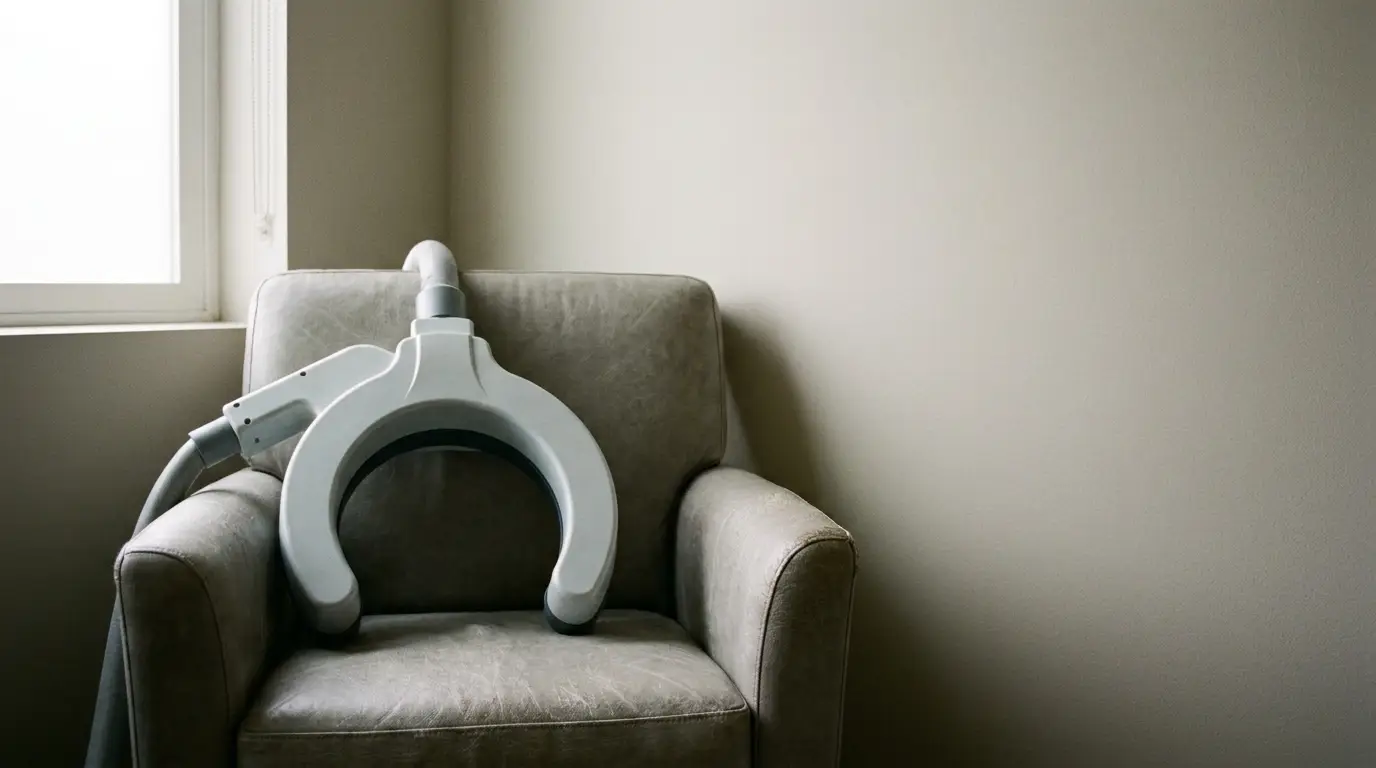
Researchers continue to explore additional therapies for people whose depression has not improved with traditional approaches. Advances in brain stimulation techniques, including transcranial magnetic stimulation, have provided another evidence-based option for certain individuals under appropriate medical guidance.
Interest in newer medication strategies has also grown, with ongoing research evaluating different mechanisms that may benefit people who have not responded well to conventional antidepressants. At the same time, healthcare providers increasingly emphasize healthy sleep habits, physical activity, balanced nutrition, stress management, and social connection because these factors can influence emotional well-being alongside medical treatment.
Depression rarely has a single cause, so addressing multiple aspects of health often creates a stronger foundation for recovery. The growing number of available options gives clinicians more flexibility to tailor care according to each person’s unique needs rather than relying on a limited set of interventions.
Reducing Stigma Helps More People Seek Care
Perhaps the most encouraging trend is that conversations about depression have become more open in workplaces, schools, healthcare settings, and families. While stigma has certainly not disappeared, increased awareness has encouraged many people to recognize symptoms earlier and seek professional support before they become more severe.
Employers have expanded mental health benefits, primary care physicians more frequently screen for depression during routine visits, and educational campaigns continue to emphasize that mental health deserves the same attention as physical health. These cultural changes make it easier for individuals to ask questions, discuss treatment options, and remain engaged throughout the recovery process. Progress is rarely perfectly linear, but earlier intervention, personalized treatment, improved access, and continued research have created more reasons for optimism than ever before.
Today’s psychiatry trends reflect a broader understanding that effective depression care works best when treatment is individualized, accessible, and supported by ongoing research. Even small improvements in access and personalization can make a meaningful difference over time.