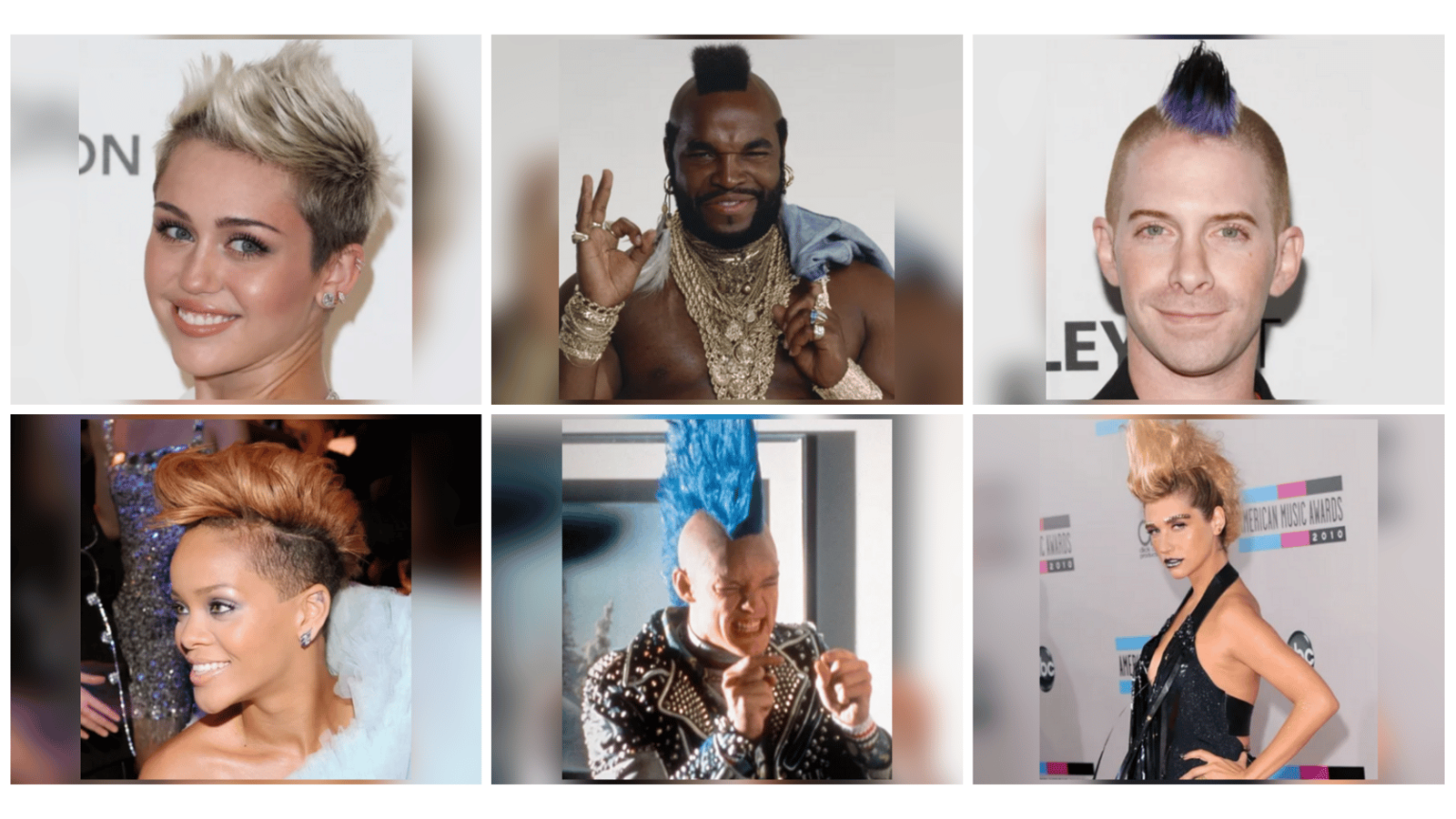
Many people assume a Mohawk is a single bold haircut defined by shaved sides and a raised strip of hair. The types of mohawks actually vary based on fade level, hair texture, and how the center strip is shaped.
Barbers often note that small changes in fade height or curl pattern can completely change how structured or soft the style appears in daily wear.
Suitability and upkeep depend on hair type and maintenance routine, not just the chosen style name. Each variation’s shape and structure reveal the wide range of Mohawk looks available.
This breakdown covers the different types of mohawks, how they are shaped, and which variation may work best for your hair type and lifestyle.
How Combinations CreateNamed Styles
Different Mohawk styles come from combining specific fade levels, center strip shapes, and overall height. Small changes in these elements can completely change the final look, from subtle to extreme.
-
Mohawk Fade: Combines faded sides with a defined center strip for clean contrast and controlled structure.
-
Faux Hawk: Uses a softer fade and shorter center height for a subtle Mohawk shape with lower contrast.
-
Deathhawk: Pairs extreme height with high-contrast sides to create a tall, sharp, high-intensity structure.
These combinations show how simple styling adjustments create distinct Mohawk types with very different visual impact. The right combination helps create a Mohawk that matches the desired level of boldness and definition.
Factors for Choosing Different Mohawk Hairstyles
Six factors decide the right Mohawk: face shape, hair length, fade type, texture, style expression, and age. Match these before committing to a look.
-
Face Shape: Round faces suit high, lifted tops; long faces balance better with wider, lower styles.
-
Hair Length: Short hair supports faux hawks; longer hair holds deathhawks, dreadhawks, or Mohawk mullets.
-
Fade Type: Low fades keep the look subtle; a skin fade or burst fade adds sharper definition.
-
Hair Texture: Straight hair holds spikes well; wavy and curly hair suits braided or twisted versions.
-
Style Expression: Faded, pixie, braided, curly, and spiked variations reflect different personal presentations.
-
Age Group: Mini faux hawks suit kids; tapered styles require less upkeep for adults.
Treat these factors together, not in isolation. The right Mohawk balances your face shape, hair texture, and how much maintenance you’re willing to keep up.
Types of Mohawks and Their Style Differences
Mohawk types depend on the sides, the center shape, and the hair texture. These three factors create all style variations. Modern versions use fades, braids, and curls instead of full shaving or spikes.
No Mohawk style is limited to a particular gender, age group, or hair type; the best choice depends on hair texture, preferred maintenance level, school or workplace requirements, and how much contrast the wearer wants between the sides and center.
1. Faux Hawk
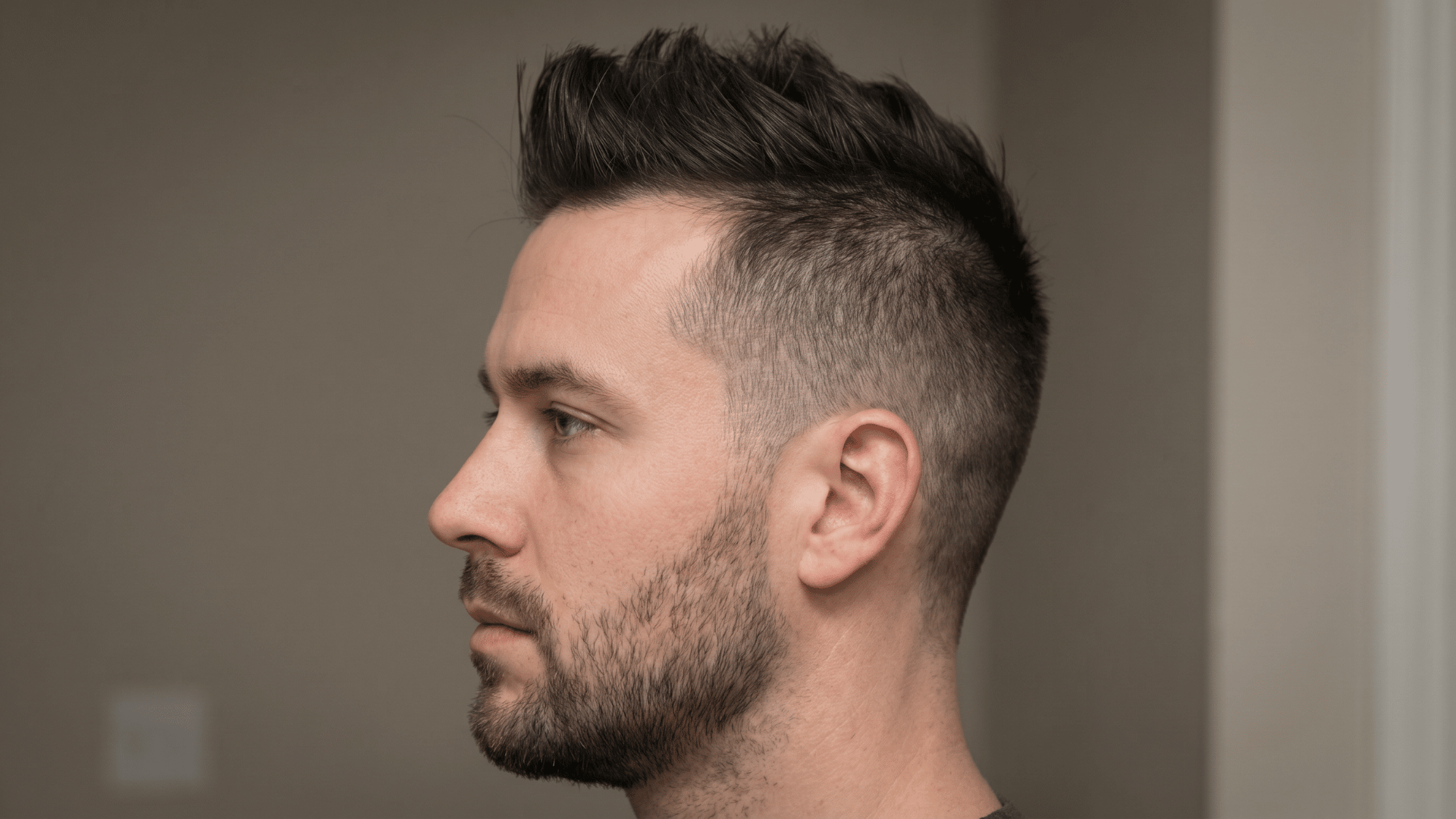
A faux hawk creates a subtle center ridge with short, tapered, or faded sides. It retains the Mohawk outline without requiring fully shaved sides.
This is one of the most popular choices for men who want sharp contrast with flexible height, and its shorter, low-maintenance build also makes it an easy option for kids.
-
Best-Suited Face Shapes: Oval, square, and round faces; moderate height can visually lengthen round faces.
-
Complexion and Color: Suits every complexion. Natural shades create subtle contrast, while highlights define the center.
-
Hair Compatibility: Works especially well with straight, wavy, or loosely curly hair.
-
Styling Tip: Apply matte clay, push the top inward, and blow-dry upward for controlled volume.
2. Mohawk Fade
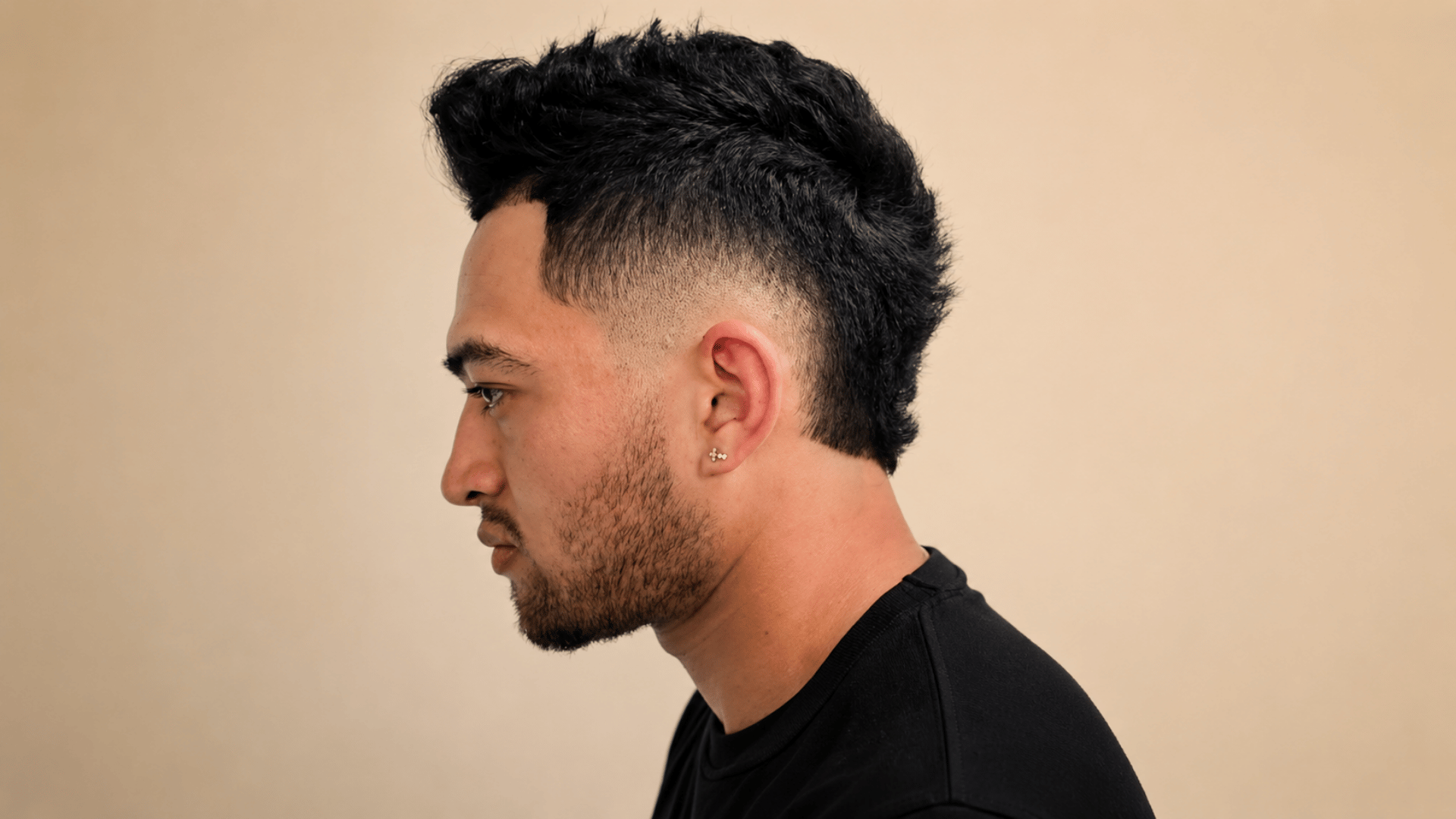
A Mohawk fade combines a defined center strip with sides that gradually shorten toward the ears and neckline. Different clipper guard sizes determine how bold the contrast appears.
Along with burst fades and spiky variations, this is a go-to category for men who want a sharp, flexible look, and it works equally well as an undercut style for women who want more definition at the sides.
-
Best-Suited Face Shapes: Oval, square, and round faces; adjust the top height for balance.
-
Complexion and Color: Works across all complexions, while a natural or sharply contrasting color emphasizes the fade.
-
Hair Compatibility: Suitable for straight, wavy, curly, and coily textures.
-
Styling Tip: Use pomade for definition and schedule regular fade trims to maintain clean transitions.
3. Curly Mohawk Fade
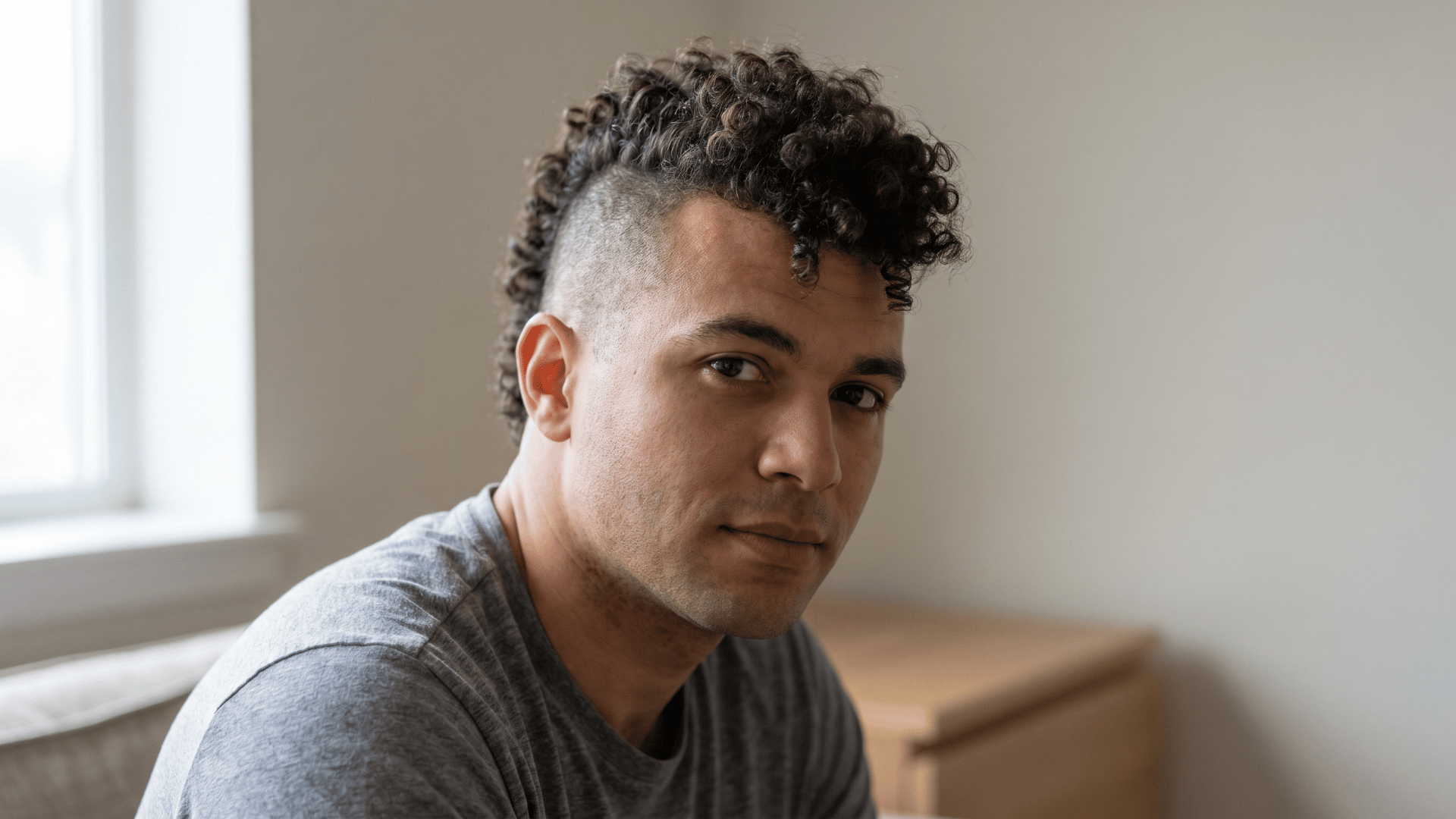
A curly Mohawk fade preserves curls or coils through the center while gradually shortening the sides. Natural texture provides the style’s volume, movement, and shape.
This is a strong option for women who want texture and shape, Black men whose natural curl pattern supports volume and definition, and kids, since the curls hold structure without heavy styling.
-
Best-Suited Face Shapes: Oval, round, heart-shaped faces, and square faces; side volume can soften angular features.
-
Complexion and Color: Complements every complexion. Warm copper, honey, or burgundy accents can highlight curl definition.
-
Hair Compatibility: Designed for curly and coily textures with enough length to form a visible center.
-
Styling Tip: Apply curl cream or gel to damp hair, then diffuse upward without separating the curls.
4. Deathhawk
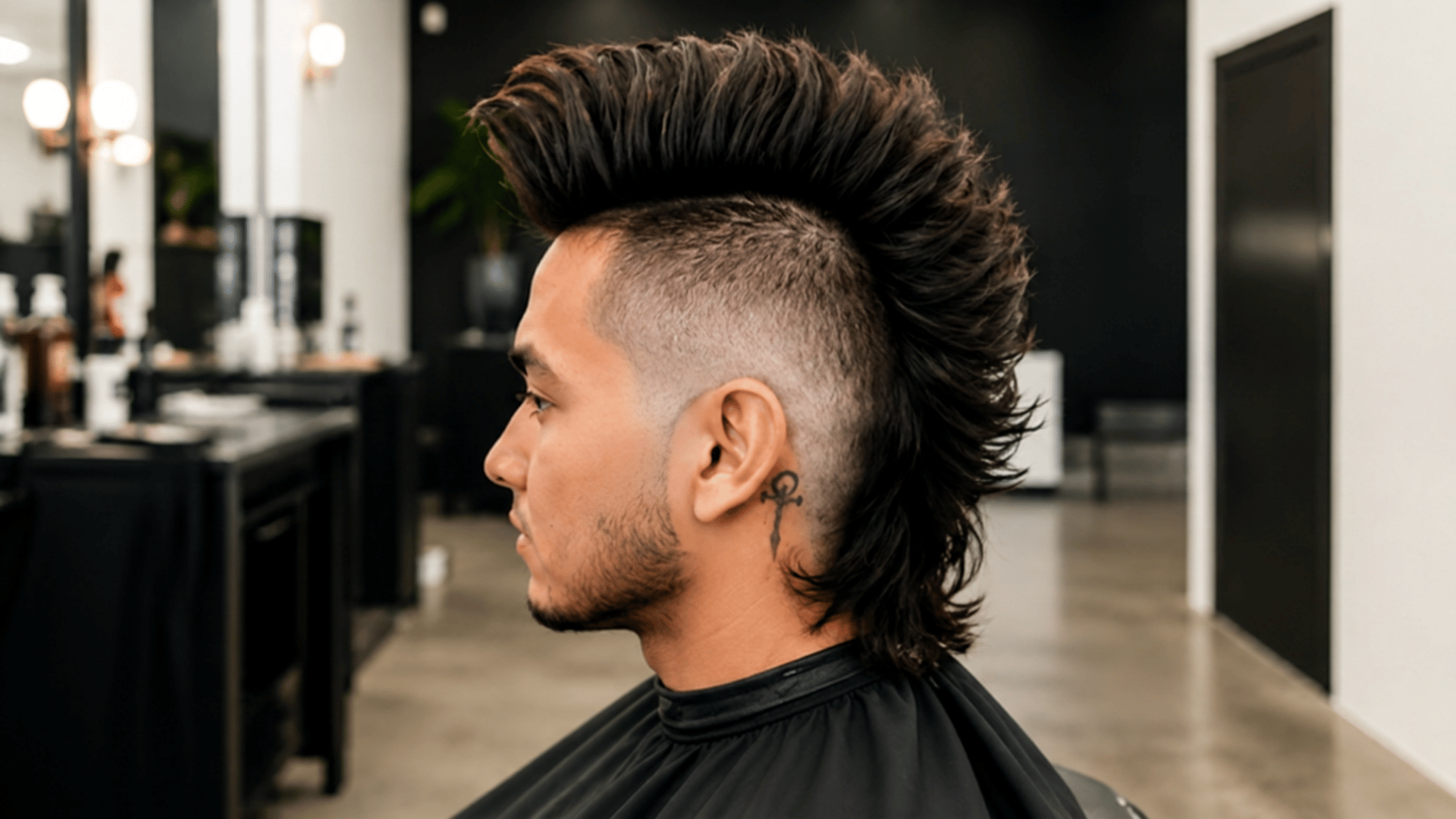
A deathhawk features a broad center section that is teased or backcombed into a dramatic fan. It is wider and more voluminous than a traditional Mohawk.
-
Best-Suited Face Shapes: Oval, round, and heart-shaped faces; reduced height better balances long faces.
-
Complexion and Color: Suits all complexions. Black creates a gothic finish, while neon shades provide stronger contrast.
-
Hair Compatibility: Medium-to-long straight or wavy hair holds the fan shape most easily.
-
Styling Tip: Backcomb small sections, blow-dry upward, and secure the shape with strong-hold hairspray.
5. Braided and Protective Mohawks
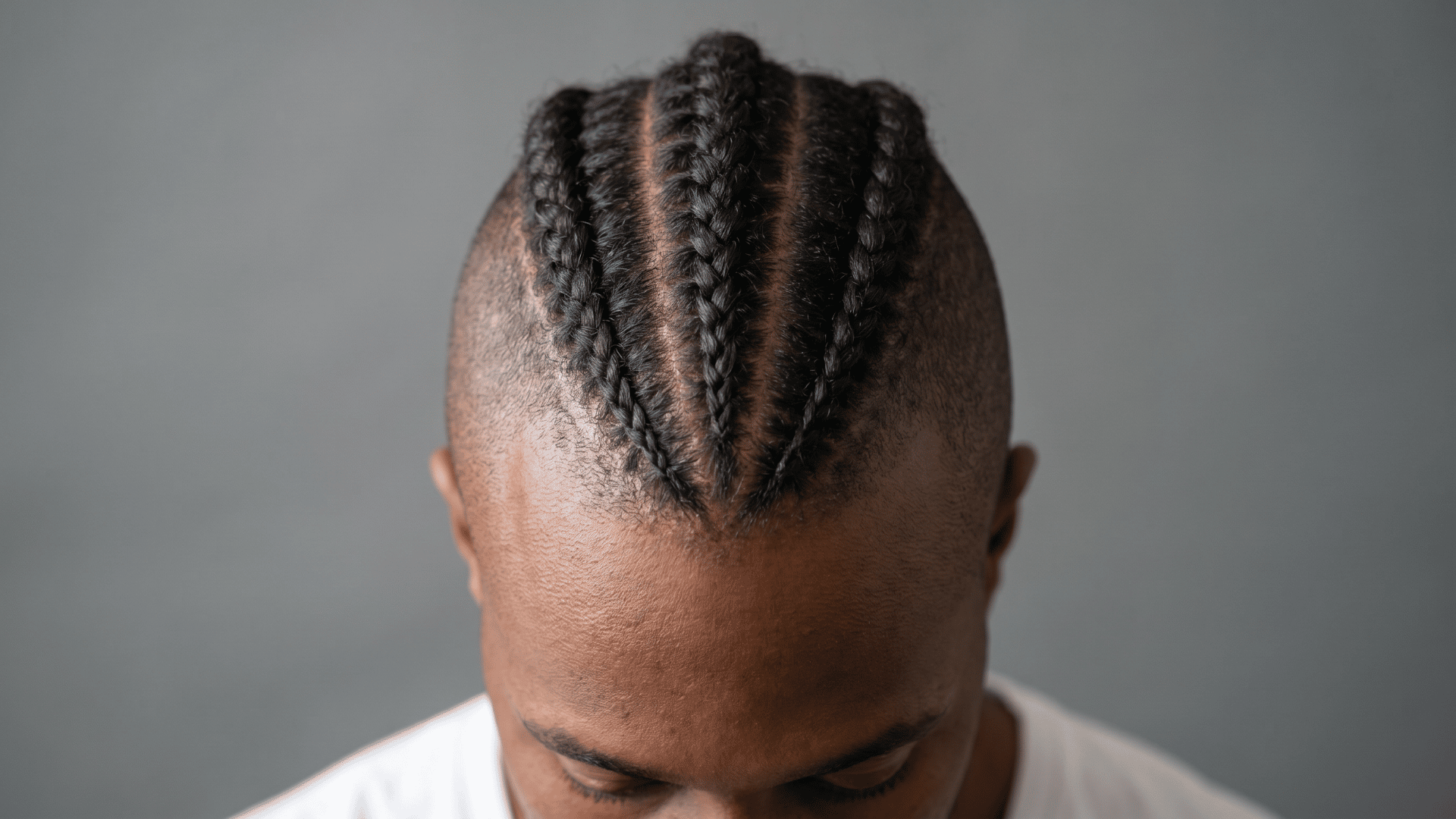
This variation uses cornrows, twists, rope braids, or pinned sections to form a raised center. The sides may be braided inward, tapered, or closely shaved.
Braided and bun Mohawks are especially popular among women looking for shape and styling flexibility, and an Afro Mohawk built from natural curl texture is a common variation for Black men.
-
Best-Suited Face Shapes: Oval, round, heart, and diamond faces; braid placement can adjust width and height.
-
Complexion and Color: Works with every complexion. Extensions can add subtle highlights or contrasting fashion colors.
-
Hair Compatibility: Particularly suitable for textured, curly, and coily hair.
-
Styling Tip: Avoid overly tight braids, moisturize the scalp, and wrap the style at night.
6. Short and Pixie Mohawks
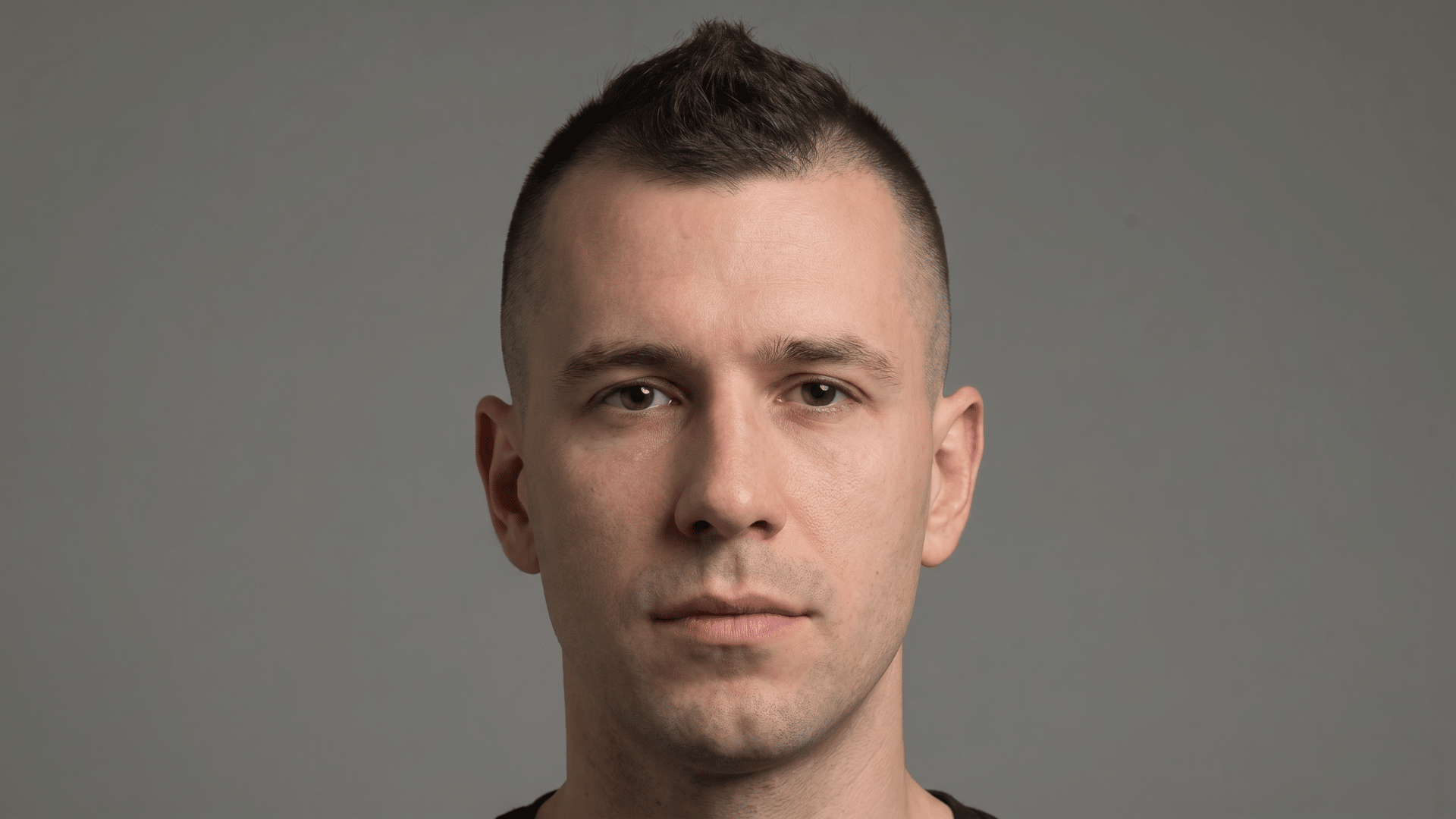
A pixie Mohawk keeps the top short and textured with tapered or faded sides. Its limited height makes it practical while preserving a recognizable center line.
This low-maintenance build is a common choice for kids as a mini Mohawk, since it is easy to style and maintain.
-
Best-Suited Face Shapes: Oval, heart, square, and petite faces; side-swept texture can soften angular features.
-
Complexion and Color: Flatters every complexion. Platinum, copper, or vivid shades make the short shape more noticeable.
-
Hair Compatibility: Works with straight, wavy, curly, and fine hair.
-
Styling Tip: Work a small amount of wax through the top and shape individual sections with your fingers.
7. Mohawk Mullet
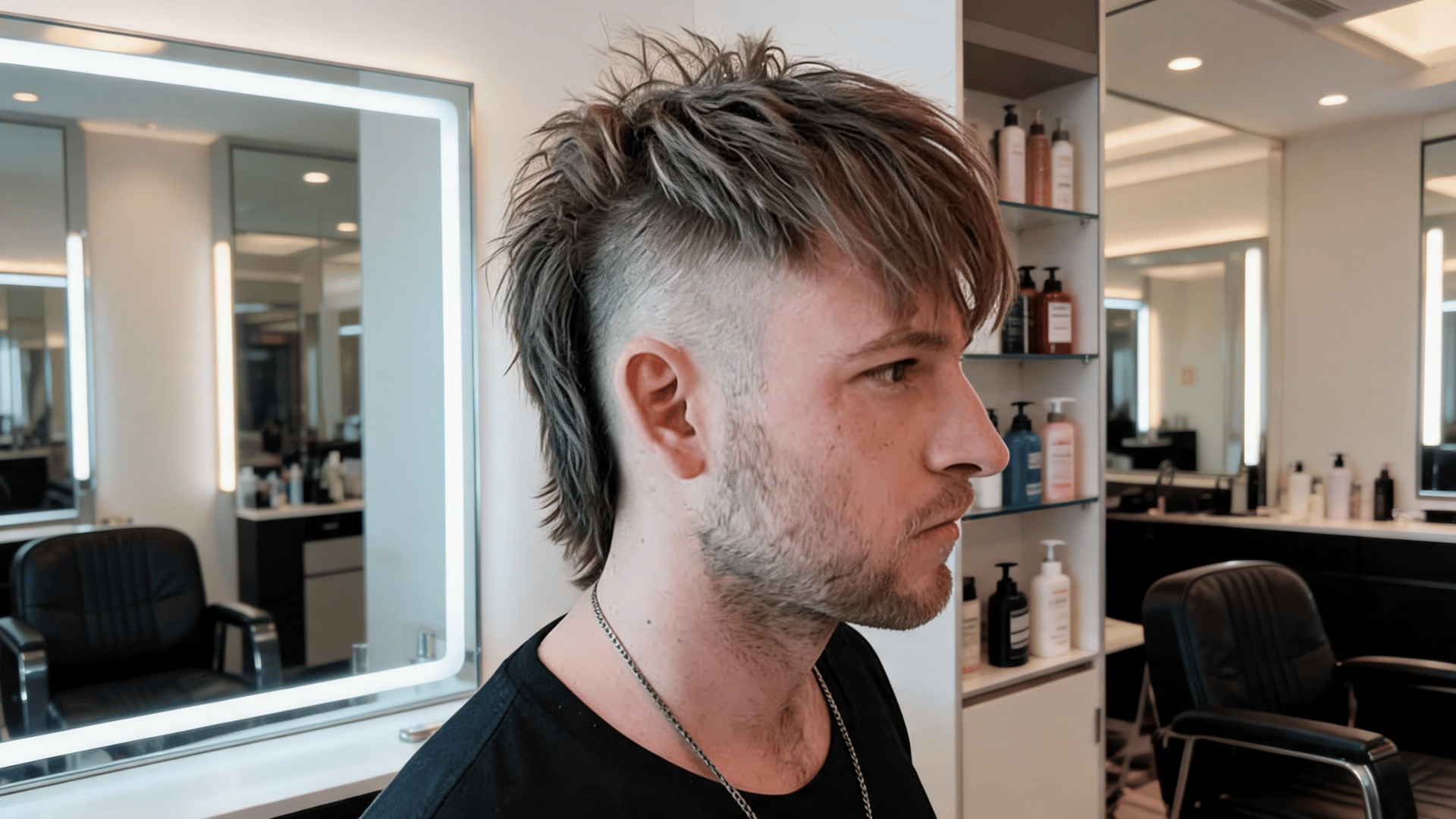
A Mohawk mullet combines a raised or textured center with extra length at the back. Faded, tapered, or shaved sides separate the top and back from the sides.
-
Best-Suited Face Shapes: Oval, square, and round faces; softer layers can balance heart-shaped faces.
-
Complexion and Color: Suitable for all complexions. Two-tone color can emphasize the contrast between sections.
-
Hair Compatibility: Adapts well to straight, wavy, curly, and thick hair.
-
Styling Tip: Add texture with sea-salt spray, lift the crown, and leave the back naturally loose.
8. Pompadour Mohawk
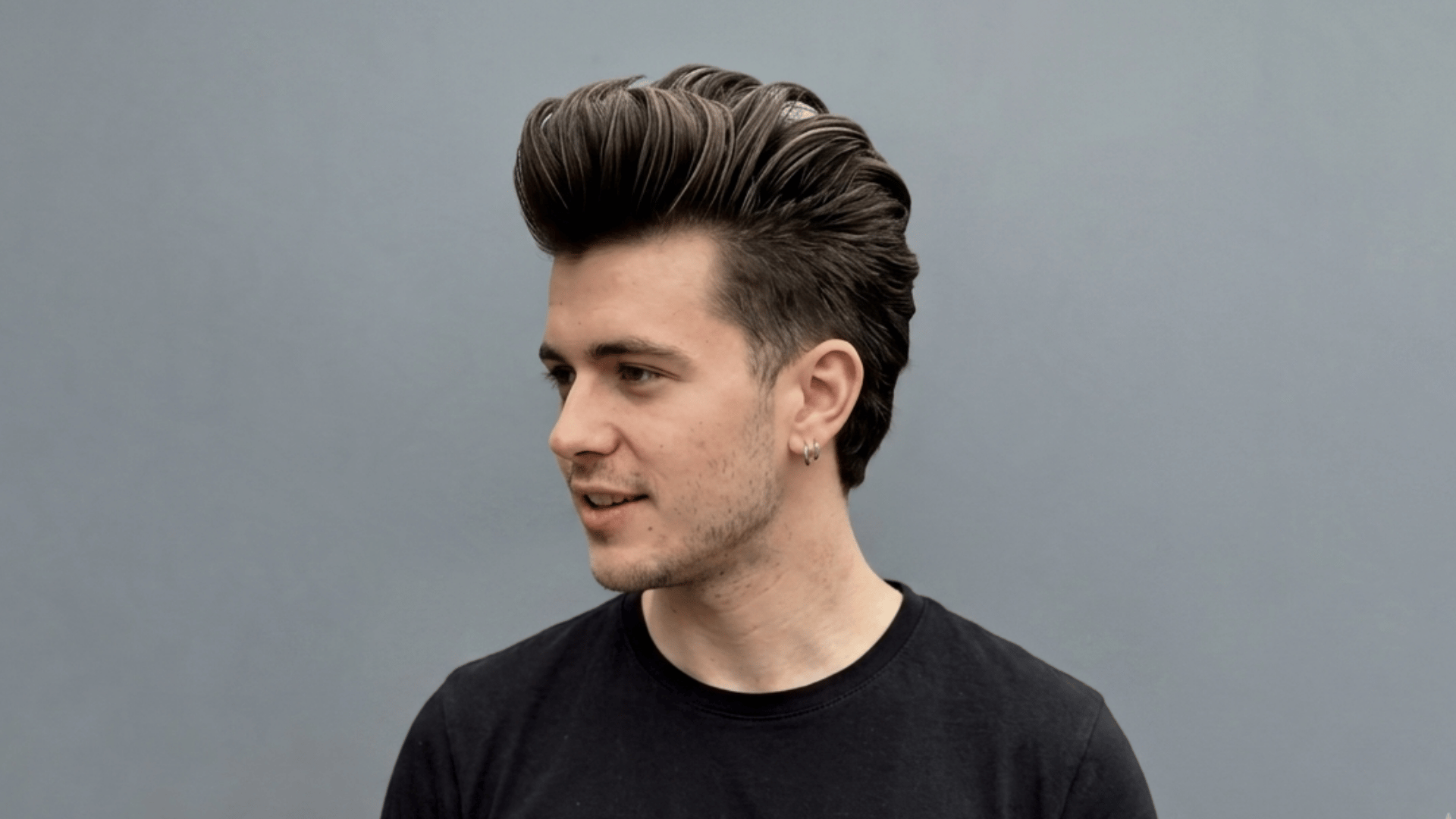
A pompadour Mohawk features a lifted, swept-back front that continues into a defined center strip, similar in spirit to a drop fade cut where the taper line shapes the whole silhouette. Short sides keep attention on the structured height above
-
Best-Suited Face Shapes: Round, square, and oval faces; lower the front height for longer face shapes.
-
Complexion and Color: Works across all complexions. Rich natural shades or subtle highlights emphasize the swept-back shape.
-
Hair Compatibility: Best for straight, wavy, or thick hair that can support structured volume.
-
Styling Tip: Blow-dry the front upward with a round brush, then secure it using pomade or clay.
9. Dreadlock Mohawk
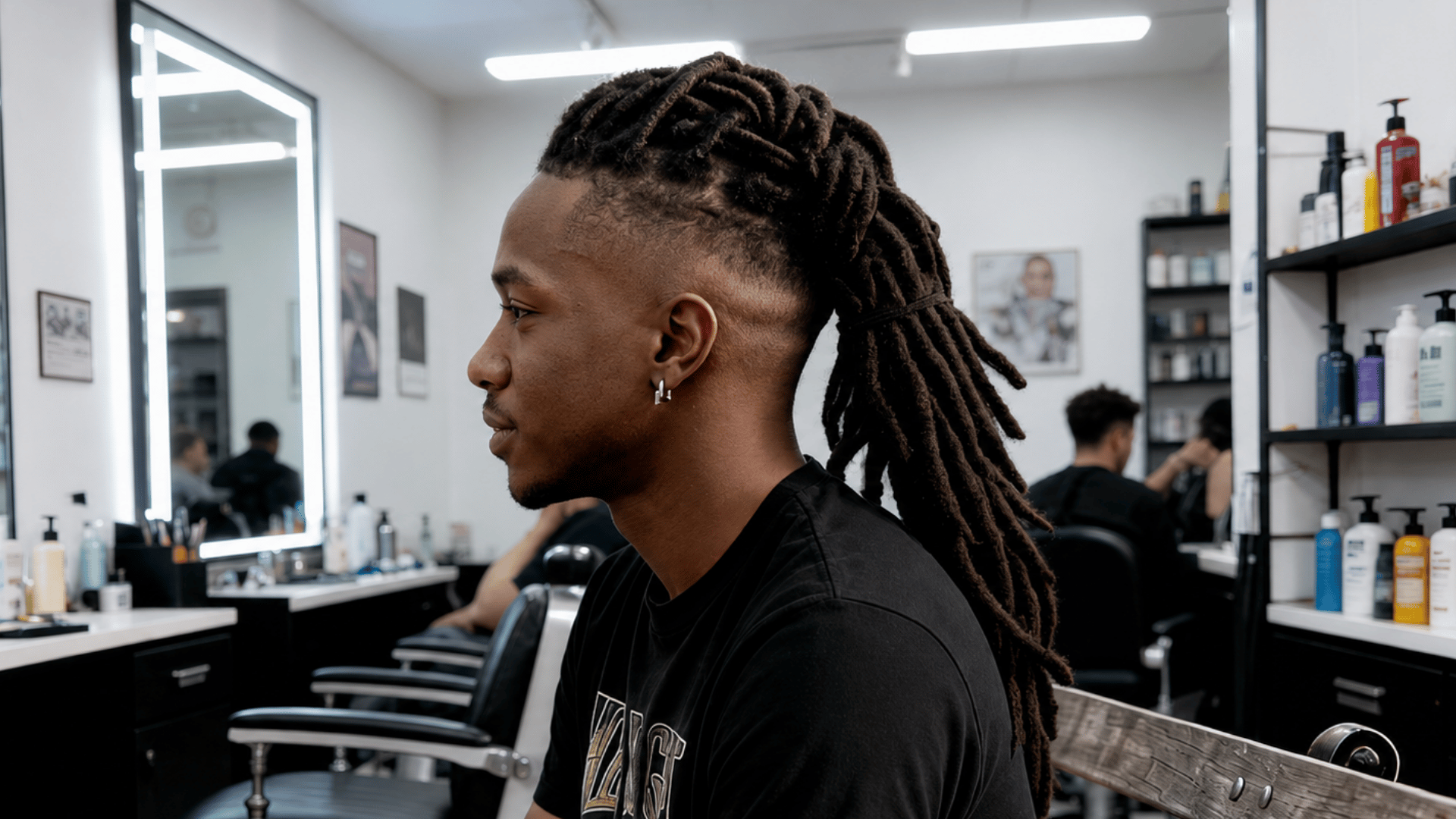
A dreadlock Mohawk concentrates locs through the center while keeping the sides shaved, faded, or tapered. The locs may remain loose, tied back, or styled upward.
Known as a dreadhawk, this is a favorite among Black men whose loc length and texture naturally support the shape.
-
Best-Suited Face Shapes: Oval, round, square, and heart-shaped faces; loc placement can balance facial proportions.
-
Complexion and Color: Complements every complexion. Loc tips can be colored for contrast without changing the entire style.
-
Hair Compatibility: Best for established locs with enough length to gather or shape.
-
Styling Tip: Tie the locs loosely to avoid excess tension and trim the sides regularly.
Types of Mohawks: Best Styles for Men, Women & Kids
Mohawks can suit different hair textures, lengths, ages, and styling preferences. Although these categories help narrow the options, no Mohawk style is limited to a particular gender or group.
|
Category |
Popular Styles |
|---|---|
|
Types of Mohawks for Males |
Fade, faux hawk, burst fade, spiky Mohawk |
|
Types of Mohawks for Females |
Braided, curly, undercut, bun Mohawk |
|
Types of Mohawks for Black Guys |
Curly Mohawk fade, Afro Mohawk, dreadhawk |
|
Types of Mohawks for Kids |
Mini Mohawk, short faux hawk, curly Mohawk |
The most suitable choice depends on hair texture, preferred maintenance level, school or workplace requirements, and how much contrast the wearer wants between the sides and center.
Are Mohawks and Mohicans the Same?
No, Mohawks and Mohicans are not the same. They are distinct Indigenous nations with different languages, cultures, territories, and histories.
The Mohawk call themselves Kanien’kehá:ka and belong to the Haudenosaunee Confederacy. The Mohican people originated around the Hudson River Valley.
Confusion arises because “Mohican” sometimes describes the hairstyle called a “Mohawk” in American English. In haircut discussions, both terms may mean short sides with a longer center strip.
The shared hairstyle usage does not make the two Indigenous nations interchangeable. Use each nation’s correct name and consider whether the term describes a people or haircut.
Final Takeaway
Types of Mohawks depend on three elements: side cuts, top shape, and hair texture. Changes in these features create styles ranging from soft to bold looks.
The right combination of these elements helps you select a Mohawk that matches your hair type, maintenance needs, and style preference.
This gives better control over appearance and maintenance. Explore different types of Mohawks and try the one that best matches your personal style.
The best Mohawk style depends on your hair type, styling needs, and maintenance preference. Small changes in length and shape can create a new look while keeping the classic style.
Drop a comment and share which type of Mohawk you like most or want to try next.
Frequently Asked Questions
Is a Mohawk Suitable for Professional or Office Settings?
Yes, softer versions like the faux hawk or low fade mohawk are often accepted in many workplaces. The key is keeping the contrast low and the overall shape controlled.
How Long Does a Mohawk Haircut Usually Last Before It Needs a Refresh?
Most Mohawk styles stay clean for 2 to 4 weeks. Fade-based styles may need more frequent touch-ups to keep the sides sharp and defined.
What Face Shapes Suit Mohawk Styles Best?
Mohawks generally work well on oval, square, and diamond face shapes. The height and width of the center strip can be adjusted to balance facial proportions.