

An at-home fertility kit can provide useful clues about reproductive timing, hormone activity, sperm health, or early pregnancy. Those findings may show when ovulation is approaching or indicate whether further assessment could be helpful. They do not establish a complete fertility diagnosis. Results depend on the marker tested, sample quality, cycle timing, and personal health history. Knowing each test’s purpose helps us interpret findings carefully and discuss meaningful questions with a healthcare professional.
What Home Testing Can Measure
Home testing can answer a narrow question before a clinic visit. An ovulation strip may identify a hormone rise, while a semen test can flag a possible count or movement concern. A pregnancy test looks for a different marker altogether. An at-home fertility kit may combine these options, depending on its purpose, sample type, and reporting method. Careful reading of instructions remains essential because timing affects interpretation.
Ovulation Timing
Many home tests detect luteinizing hormone, which rises shortly before ovulation. A positive urine result often suggests that egg release may occur within one or two days. That window can guide intercourse or insemination planning. However, a hormone surge does not confirm follicle rupture. Irregular cycles, certain medications, and polycystic ovary syndrome can produce less predictable results.
Hormone Pattern Information
Some products track several reproductive hormones over multiple days. Estrogen increases may signal that the fertile window is opening. A urine marker associated with progesterone can later provide evidence that ovulation probably occurred. These readings show a cycle pattern, not overall reproductive capacity. Breastfeeding, hormonal treatment, thyroid disorders, and ovarian conditions may alter expected hormone behavior.
What Results Say About Sperm
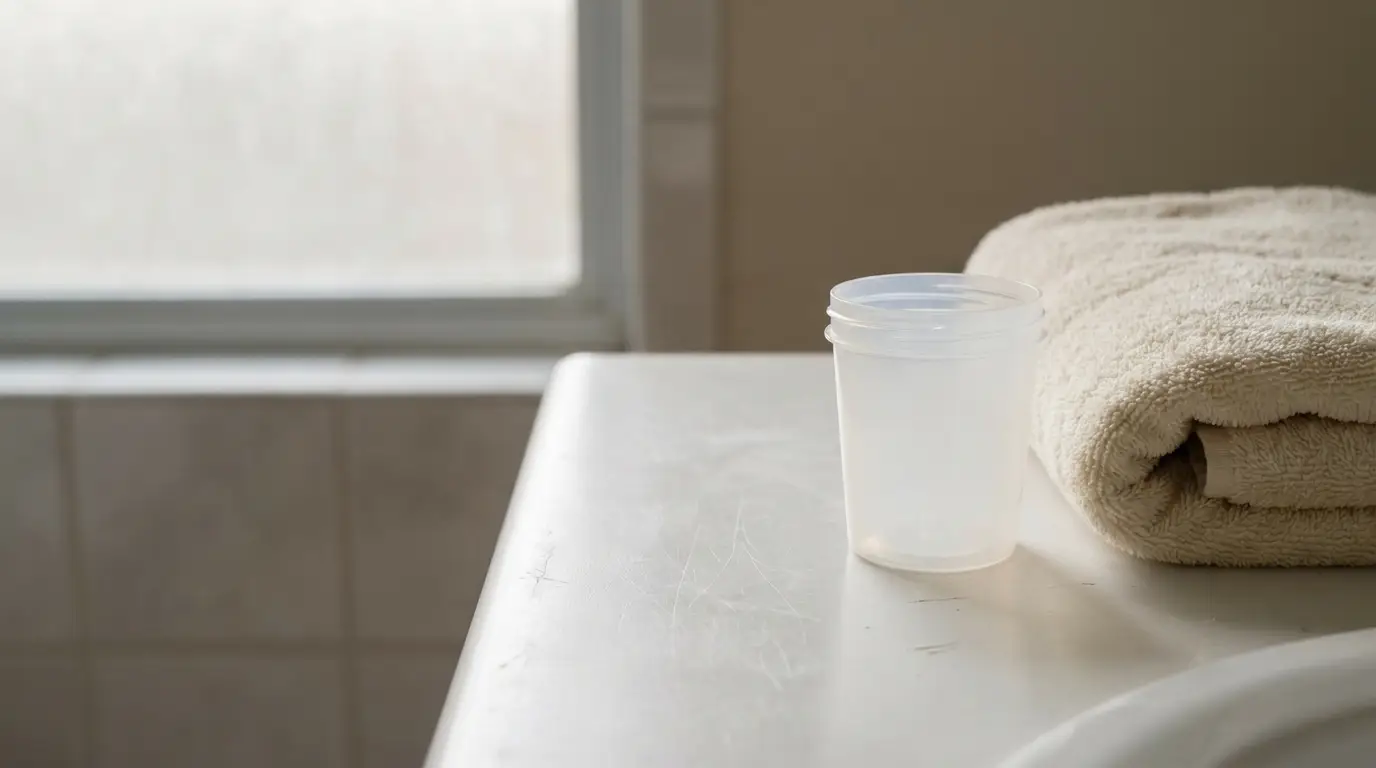
Male fertility testing may estimate sperm concentration, movement, or physical form. A home result can raise an early concern, especially when concentration appears low. Fever, recent illness, abstinence duration, collection problems, and storage conditions may affect the sample. One measurement cannot diagnose permanent infertility. Repeat analysis or laboratory testing may be appropriate before treatment decisions are made.
Reading a Sperm Report
Concentration indicates the number of sperm within a sample. Motility describes movement, which supports passage through the reproductive tract. Morphology refers to cellular shape and structure. A home device may measure only one of these features. Results should be compared with the supplied reference range, since scoring methods and collection procedures vary between products.
Early Pregnancy Clues
Urine pregnancy tests detect human chorionic gonadotropin, a hormone released after implantation. Testing before hormone levels rise sufficiently can produce a false negative. First-morning urine is usually more concentrated, which may improve detection. A positive result warrants appropriate medical follow-up. Urgent care is needed for severe pain, heavy bleeding, fainting, or marked dizziness.
What a Kit Cannot Tell You
Home testing cannot show whether fallopian tubes are open, reveal uterine abnormalities, measure every aspect of ovarian reserve, or identify every infertility cause. It cannot predict an exact conception date either. A normal reading does not guarantee pregnancy. An abnormal finding does not prove conception is impossible. Reproductive outcomes reflect age, anatomy, sperm function, timing, and general health.
Accuracy Depends on Technique
Instructions deserve close attention from collection through result recording. Expired materials, incorrect sample handling, and poor storage can reduce reliability. Urine dilution may affect hormone detection, particularly after substantial fluid intake. Cycle records should begin with the first day of menstrual bleeding unless package guidance states otherwise. Several consistent readings usually offer more useful information than one isolated result.
When Clinical Care Helps
Clinical evaluation is generally appropriate after twelve months of regular unprotected intercourse without pregnancy. Assessment may begin after six months when the person trying to conceive is aged thirty-five or older. Earlier care can be warranted for absent periods, repeated pregnancy loss, severe pelvic pain, erectile difficulty, or known reproductive disorders. A clinician may recommend blood work, imaging, or laboratory semen analysis.
Using Results Wisely
A written record can include cycle dates, collection times, symptoms, medications, and test findings. Consistent entries make patterns easier to review during an appointment. Home results should guide questions rather than replace professional assessment. Testing both partners may be useful because reproductive factors can involve either person, or both. Clear documentation gives healthcare teams a stronger basis for selecting next steps.
Choosing the Right Product
The suitable option depends on the question being investigated. Someone seeking fertile-window timing may need an ovulation monitor. A couple seeking broader information might consider combined hormone and semen testing. Anyone assessing sperm health should check sample requirements and confirm whether laboratory review is recommended. Product information should clearly explain the marker measured, reporting method, storage rules, and follow-up process.
Conclusion
An at-home fertility kit can offer practical information about ovulation, hormone changes, sperm characteristics, or early pregnancy. Its best role is often an initial source of evidence, rather than a final diagnosis. Accurate timing, careful collection, and repeated observations improve interpretation. Unusual findings or delayed conception deserve professional review. Used thoughtfully, home testing helps us prepare focused questions, recognize possible concerns, and choose appropriate next steps in care.