

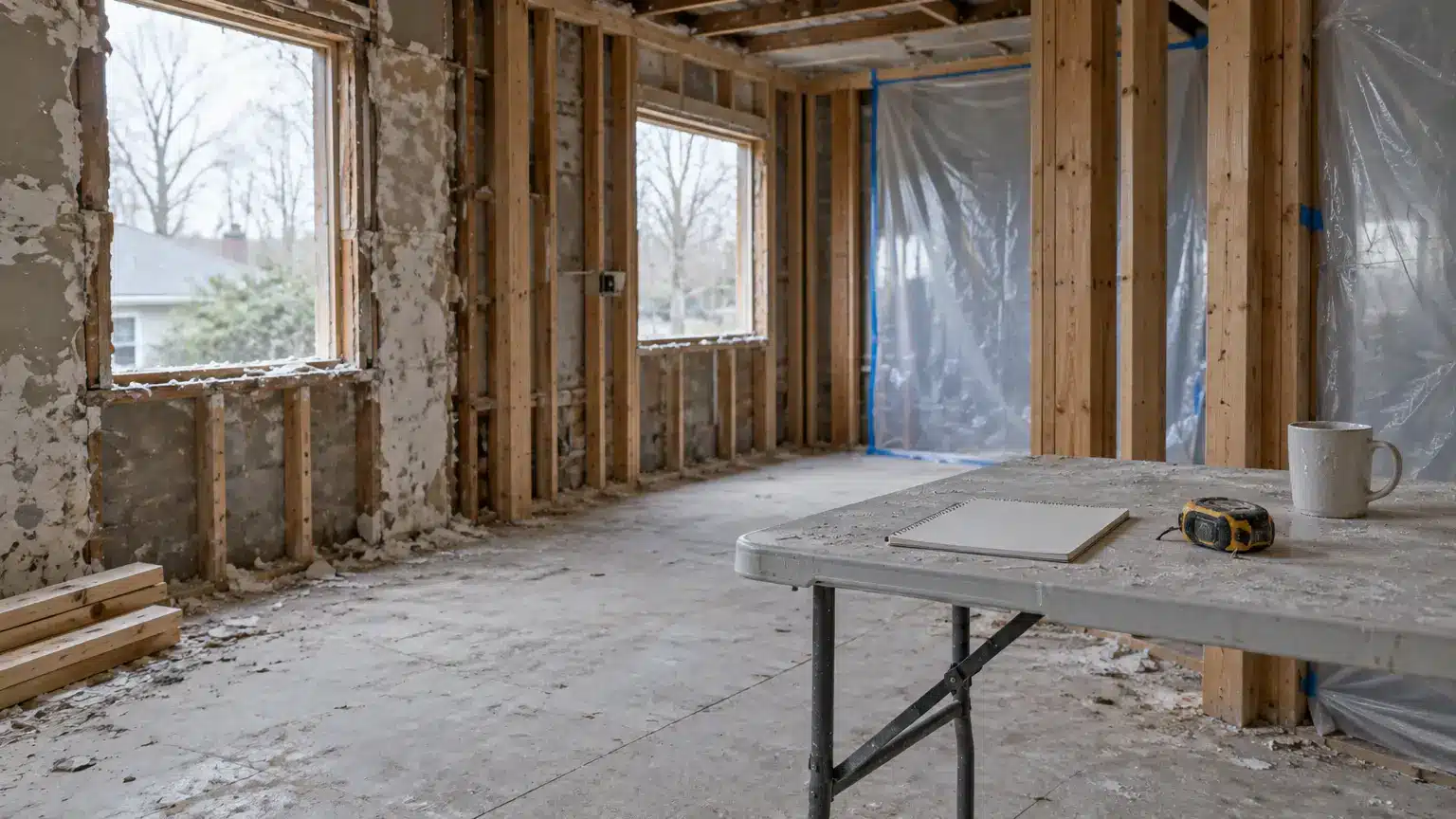
Most people start a renovation with the fun part, scrolling through kitchens online, picking tile samples, and imagining the finished space, but that approach is backwards. The decisions that actually determine whether your renovation goes well happen weeks before any of that, and they tend to be a lot less enjoyable to think about.
Get Specific About Scope Before You Get Excited About Finishes
A renovation can mean swapping out cabinets and countertops, or it can mean moving load-bearing walls and rerouting plumbing, and these are fundamentally different projects with different timelines, different permit requirements, and different budgets. Conflating them is how people end up shocked at their first contractor quote, so it’s worth writing down exactly what’s changing structurally before you start picking colours or finishes.
Budget More Than You Think You Need
Anyone who has renovated an older property will tell you the same thing, which is that something tends to go wrong once the walls open up, whether that’s wiring from the 1970s, water damage nobody disclosed during the sale, or a support beam that isn’t where the plans say it is. A contingency of 15 to 20 percent on top of your working budget isn’t pessimism; it’s simply what the job tends to cost once you account for the problems you can’t see until the work is already underway.
It also helps to avoid pricing materials off a national average. Costs shift considerably depending on where you live and what’s in demand locally at the time. Checking a few suppliers before committing to one is worth the extra hour it takes, particularly for larger items like timber and insulation, where the gap in pricing between vendors can be substantial.
Check What Permissions You Need Before Assuming You Don’t Need Any
This is where a lot of first-time renovators get caught out, because they assume their project is too small to require oversight. Skip the call to the local planning office, and you might find out too late, i.e. after the work is already finished, that formal sign-off was needed.
Depending on your council and the scope of what you’re changing, that could mean planning permission, building regulations approval, or both, and the approval process itself can take anywhere from a few weeks to several months depending on demand and complexity.
Fines and forced teardowns aren’t hypothetical scenarios reserved for extreme cases, since they regularly happen to homeowners who simply guessed wrong about whether their project counted.
Don’t Rush the Contractor Selection
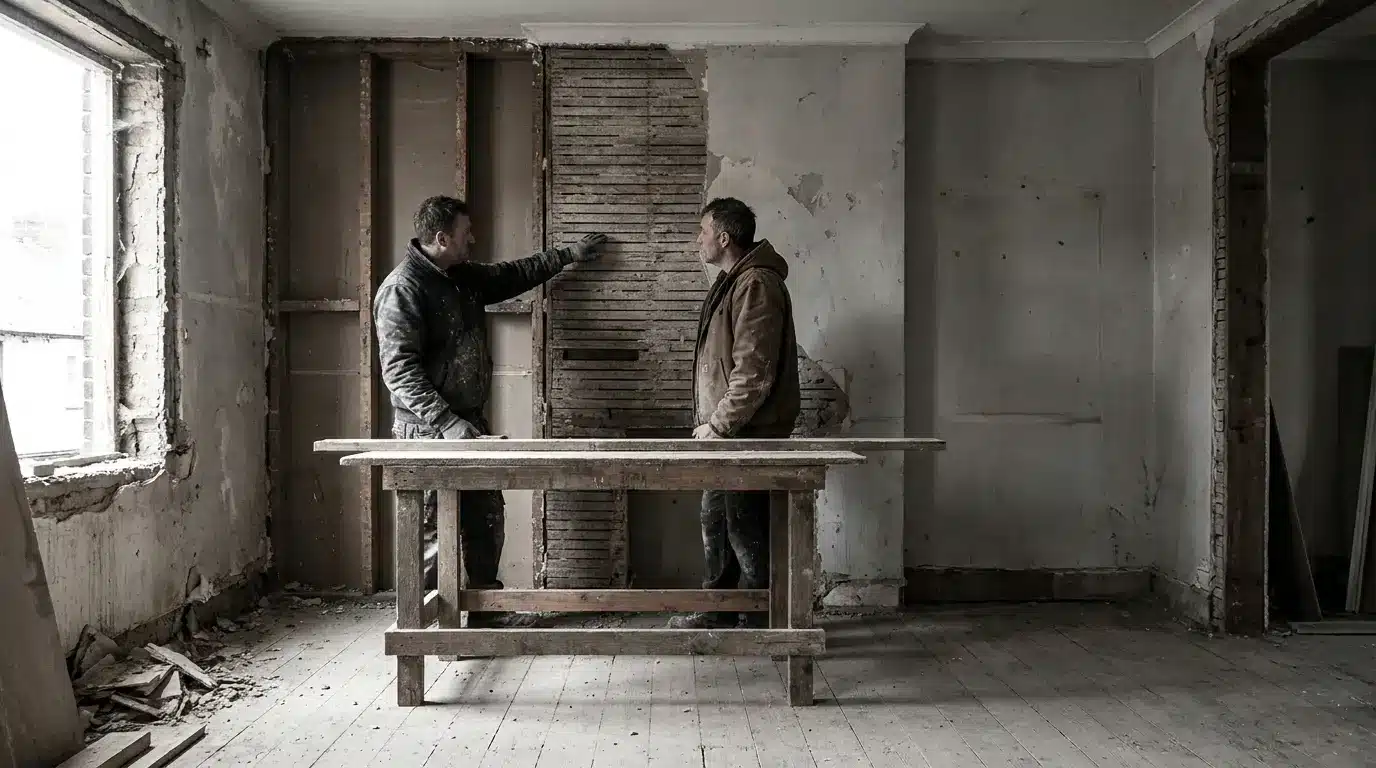
This is the single biggest variable in how your renovation actually turns out, and it’s also the step people rush the most because they’re eager to get started once the planning is out of the way. Getting quotes from at least three licensed, insured contractors, and actually calling their references from recent, comparable jobs, will tell you far more than any portfolio of finished photos ever could.
It’s also worth asking each contractor how they handle problems that come up mid-project. Snafus will inevitably happenl. You need to know what their actual process for dealing with them looks like. Getting everything in writing, including the timeline, materials, payment schedule, and what happens if costs run over, is what protects you when something doesn’t go according to plan. It should never be treated as optional no matter how trustworthy the contractor seems at the outset.
Plan for How You’ll Actually Live Through It
If you’re staying in the house while the work happens, it’s worth thinking through the practical details now rather than scrambling mid-project. Will you have access to a working kitchen or bathroom?
How do you plan to manage the dust and noise, especially with kids in the house or if you work from home? Some people find that booking a short-term rental for the messiest stretch of the job ends up being cheaper and saner than trying to live around the disruption. It’s worth working this out before the walls come down rather than after.
Renovate Like Someone Else Might Live Here One Day
Plans change more often than people expect, since jobs move, families grow, and circumstances shift in ways that are genuinely hard to predict at the outset of a project. Choices that feel deeply personal in the moment, like a bold accent wall or an unusual layout, can narrow your pool of future buyers and reduce your return on investment if you ever do decide to sell.
It doesn’t mean going generic but it does mean being a little cautious about leaning too far into trends over lasting quality. Structural upgrades like updated plumbing or electrical systems also tend to hold their value better than purely cosmetic changes, regardless of whether resale ever becomes a real consideration.
None of this is the exciting part of a renovation, but skipping it is exactly how people end up over budget, behind schedule, and arguing with contractors six weeks into the job. Doing the unglamorous planning first puts you in a far stronger position for everything that follows, and the kitchen tile can wait until you get there.