
Not sure which interior design style fits your home? The right choice can bring balance, character, and a more connected feel to every room.
Compare interior design styles by colors, materials, layouts, and key features to find the look that matches your space and personal taste.
From modern and rustic to classic and eclectic, see how different styles work in real homes without choosing a design that feels forced or outdated.
Avoid common decorating mistakes and choose an interior design style with the help of our blog that feels practical, inviting, and suited to your home’s needs and lifestyle.
What Defines an Interior Design Style?
Interior design style is a consistent approach using furniture, colors, materials, lighting, and decor to create a unified space.
A style is created by repeating the same design principles throughout a room, not by adding one trendy sofa or wall color.
Style, trends, and themes differ in purpose: style lasts over the long term, trends change quickly, and themes focus on a specific idea.
A true style also extends beyond furniture choices into how a space feels and functions day to day. This consistency is what separates a designed room from one that’s simply decorated.
Interior Design Styles Ideas
Every interior design style uses distinct colors, materials, furniture, and moods. Here are popular styles, what defines them, and where each works best:
1. Modern Design
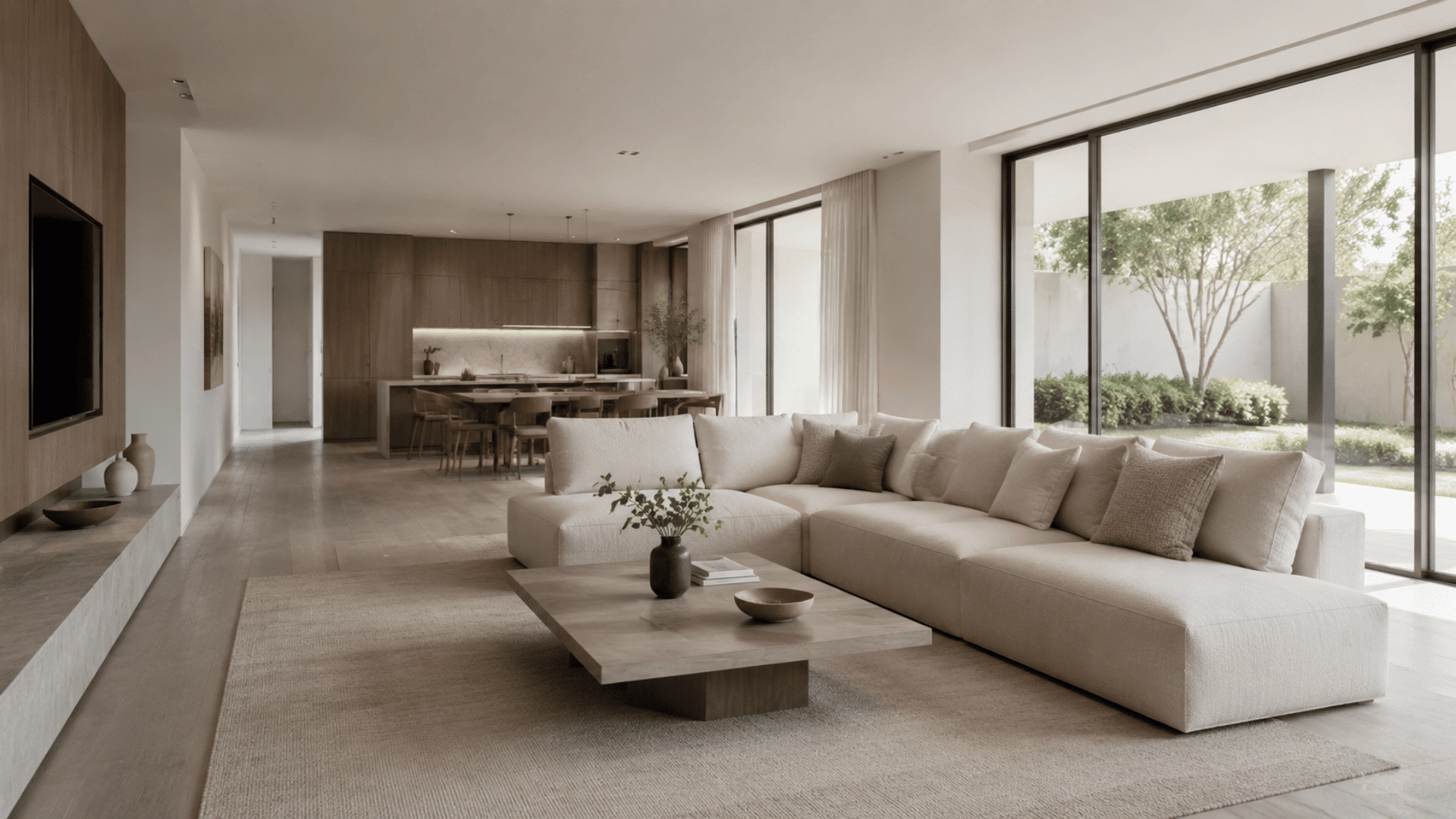
Modern interior design is built around simplicity, clean lines, and practical furniture. Every element has a purpose, with very little unnecessary decoration.
It often uses neutral colors, open layouts, and natural materials to create a calm, uncluttered space. The result is a timeless look that stays stylish for years.
2. Contemporary Design
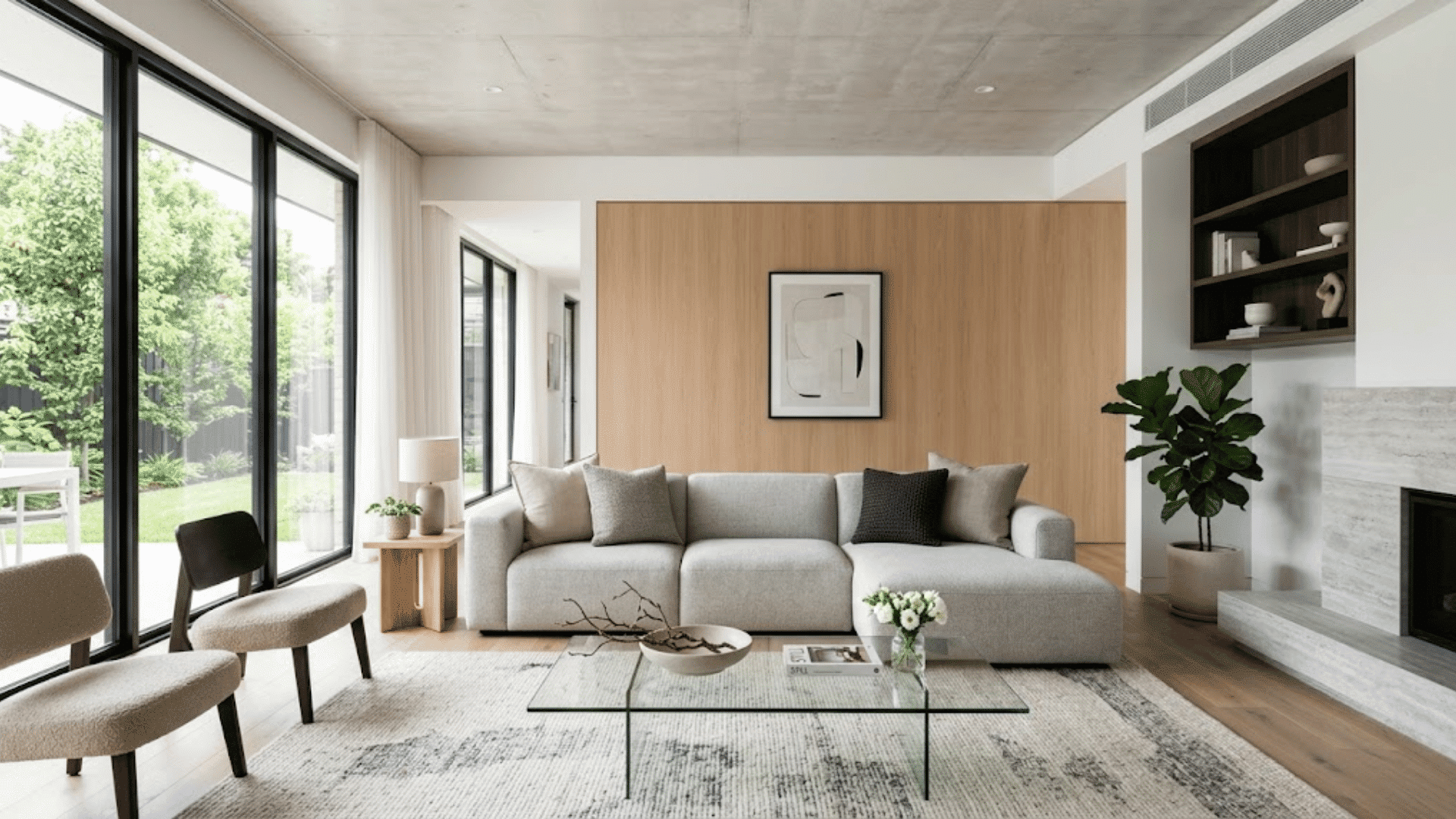
Contemporary design reflects current trends rather than following a single fixed style. It evolves over time as colors, materials, and layouts change.
You’ll often see clean lines, open spaces, and a mix of textures with simple decor. It feels fresh and modern without being tied to a specific era.
3. Minimalist Design
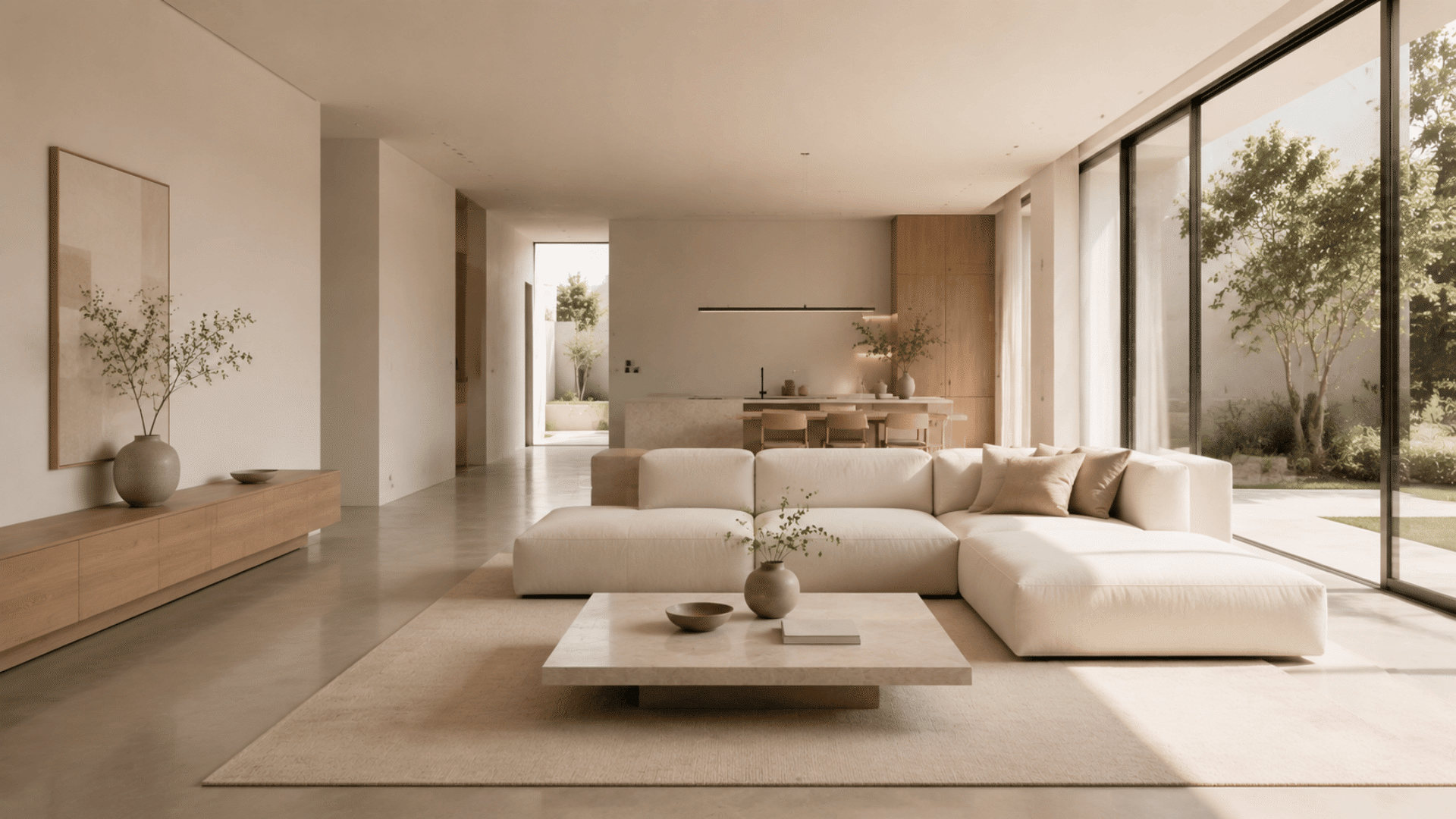
Minimalist design follows the idea that less is more by keeping only what is useful. Every piece serves a purpose, and unnecessary decoration is removed.
Neutral colors, simple furniture, and open space create a calm environment. The focus stays on function, balance, and visual clarity.
4. Scandinavian Design
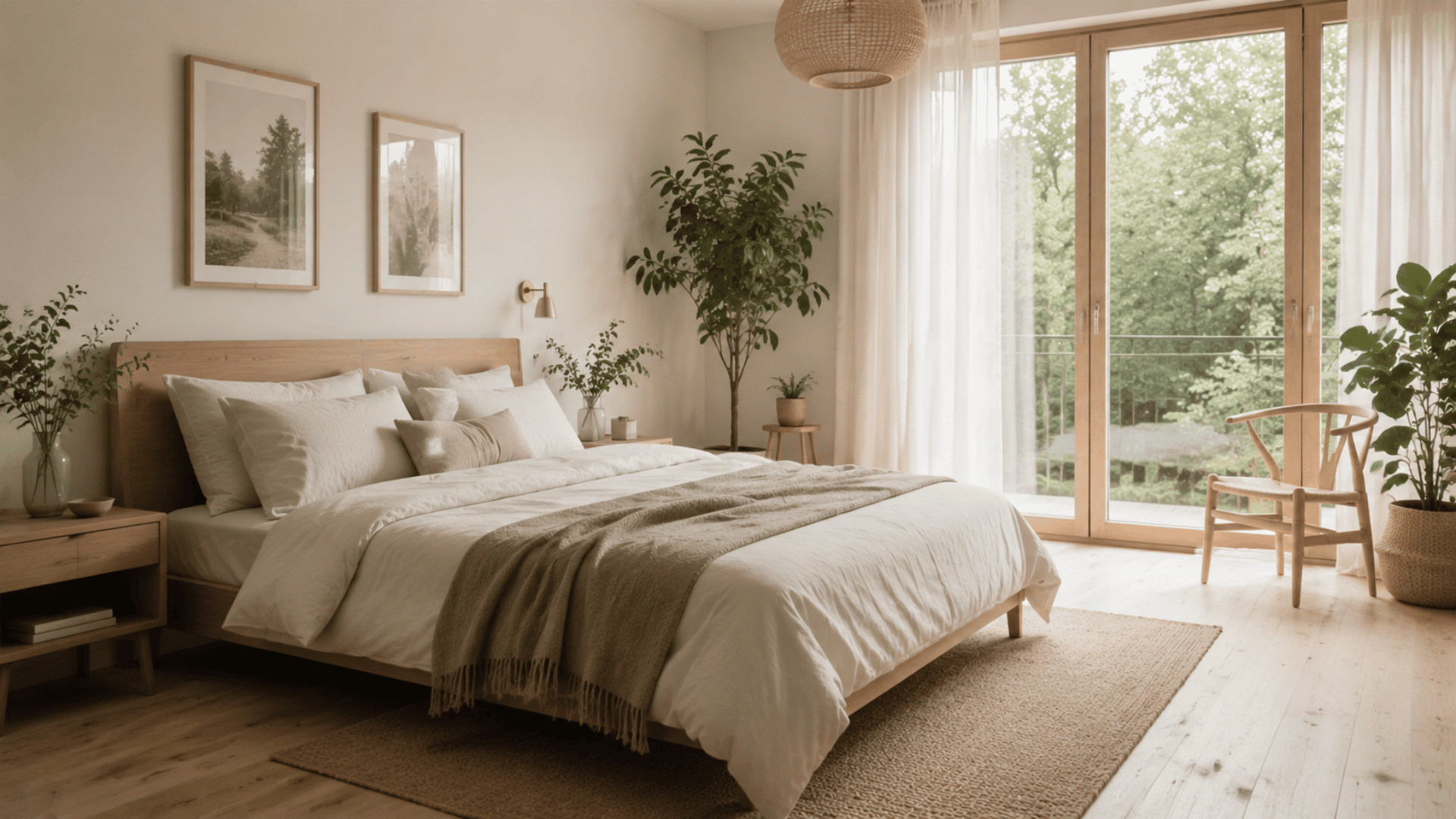
Scandinavian design combines simplicity with warmth to create bright, comfortable spaces. It values natural light, practical furniture, and everyday comfort.
Light wood, soft neutral colors, and cozy textures make rooms feel inviting. The style balances clean design with a lived-in feel.
5. Japandi Design
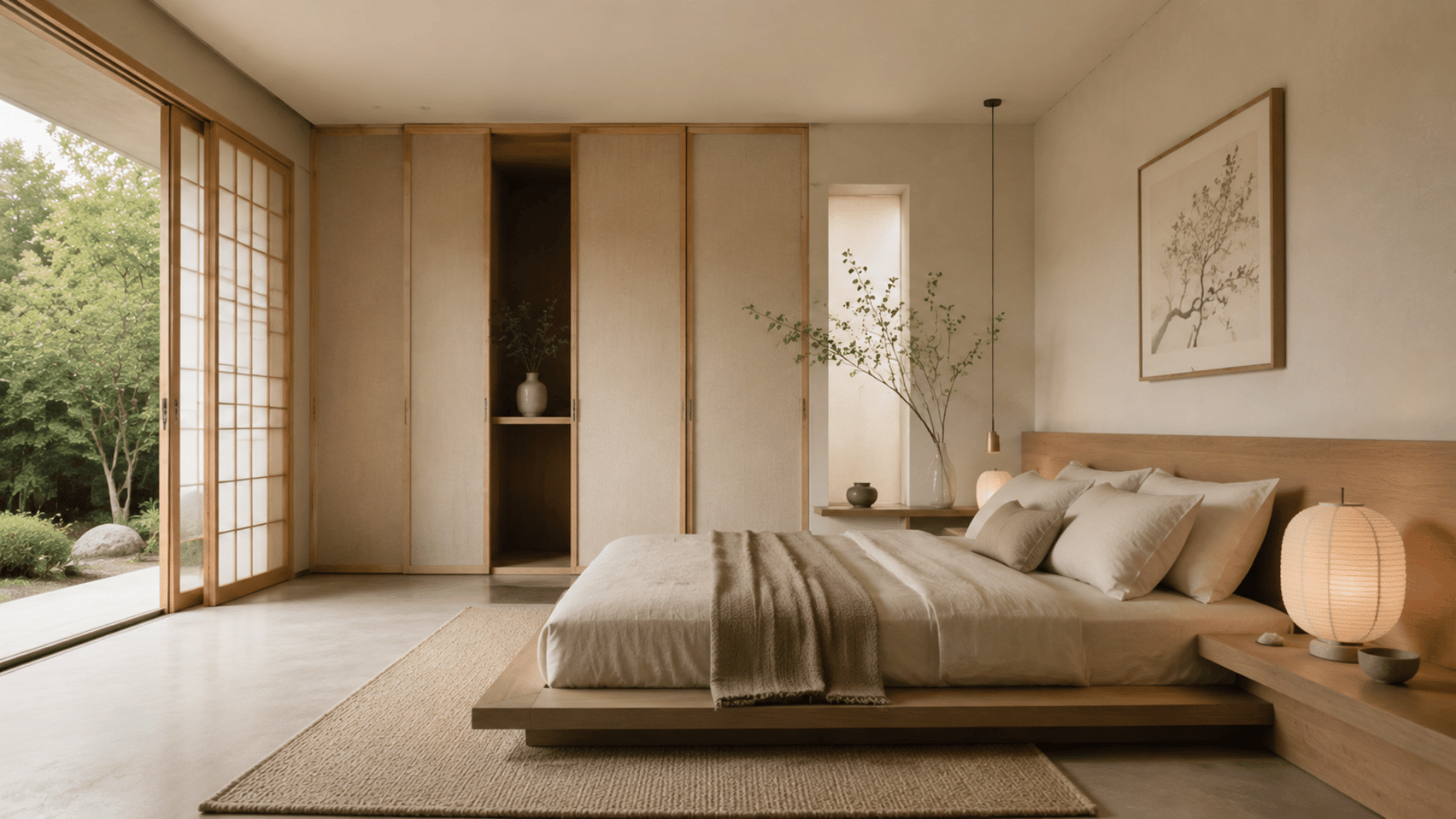
Japandi blends Japanese simplicity with Scandinavian comfort into one balanced style. It focuses on quality craftsmanship and uncluttered living.
Natural materials, muted colors, and functional furniture create peaceful interiors. Every item is chosen carefully instead of filling the room.
6. Mid-Century Modern Design
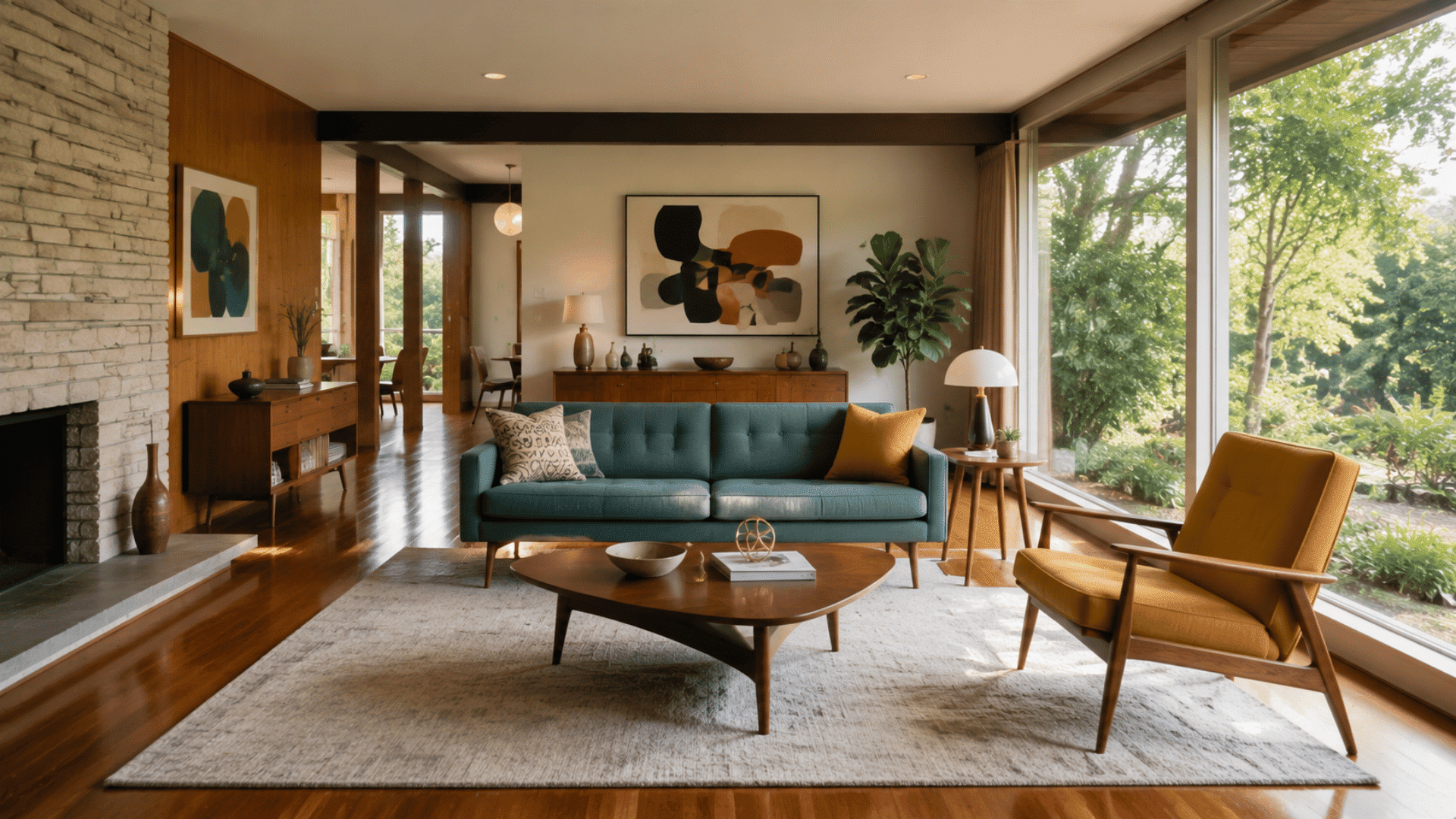
Mid-century modern design features simple shapes inspired by the 1940s through the 1960s. It mixes functionality with bold yet timeless furniture designs.
Warm wood tones, tapered legs, and geometric forms define the look. Pops of color often add personality without overwhelming the space.
7. Traditional Design
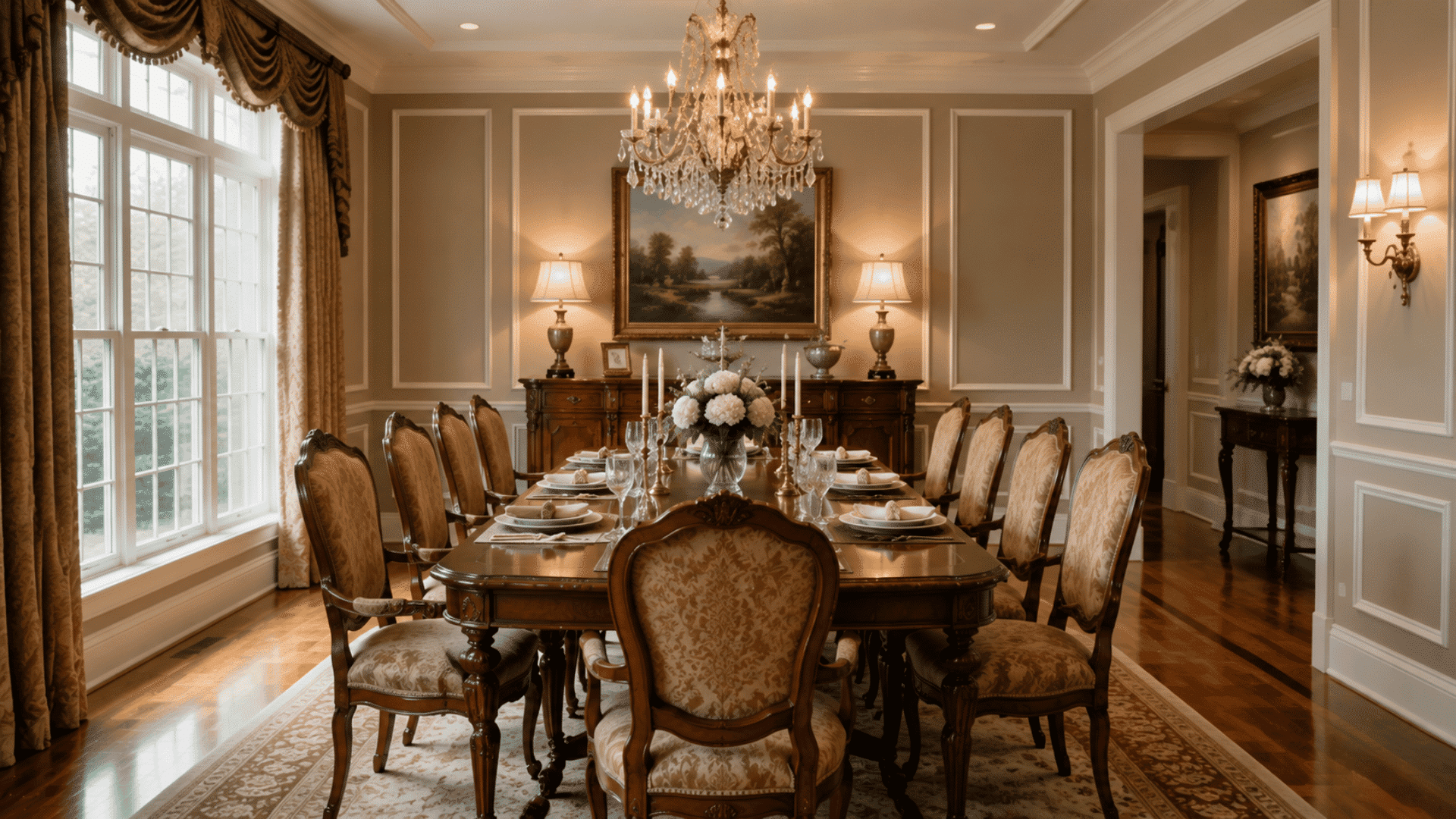
Traditional design draws inspiration from classic European interiors, featuring elegant details. It values symmetry, rich materials, and timeless furniture.
Warm color palettes, decorative molding, and refined fabrics create a formal feel. The style focuses on comfort while maintaining a polished appearance.
8. Transitional Design
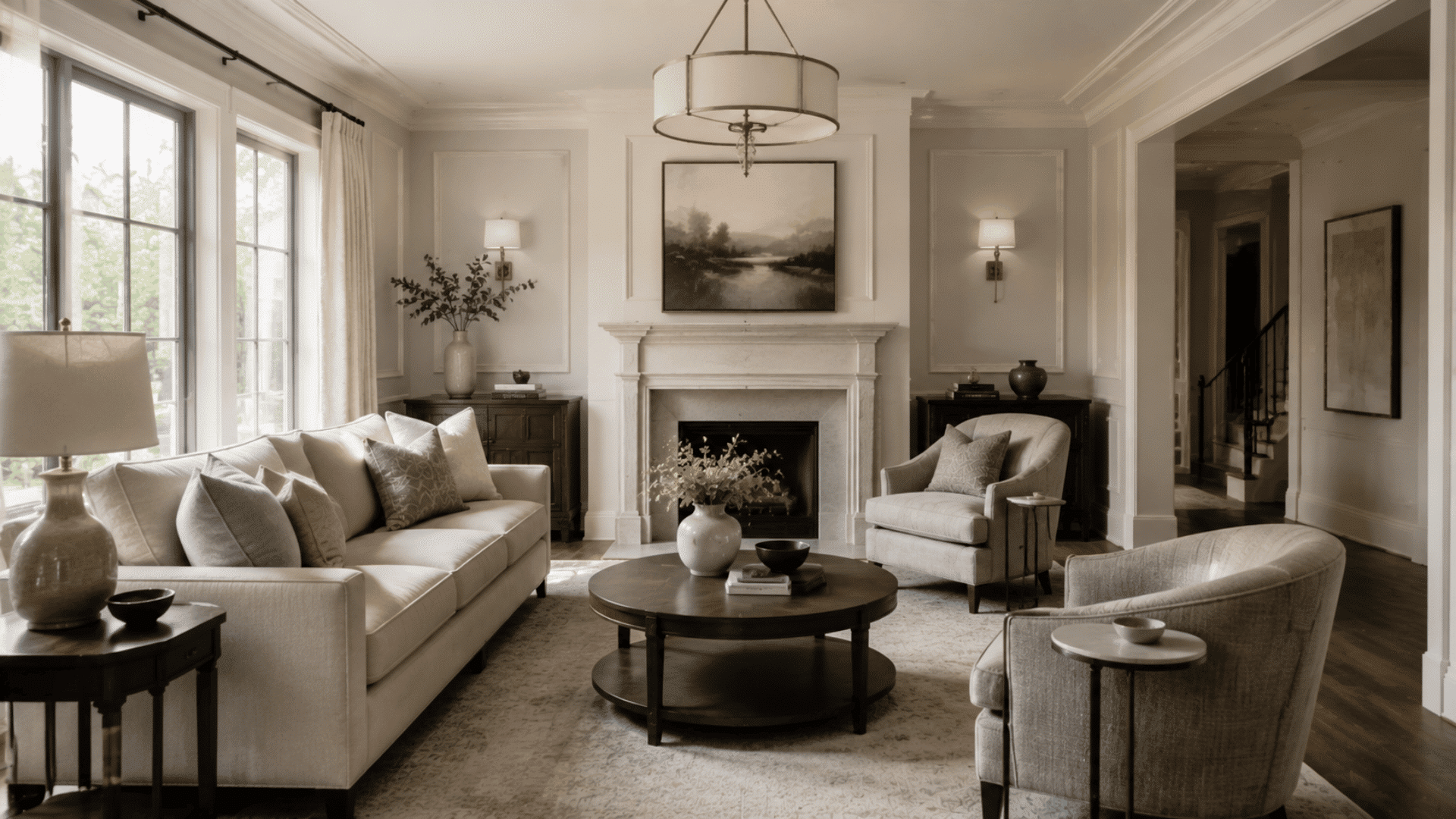
Transitional design blends traditional elegance with modern simplicity for a balanced look. It avoids feeling too formal or too minimal.
Neutral colors, clean furniture, and classic accents work together naturally. The result is a timeless style that suits many types of homes.
9. Industrial Design
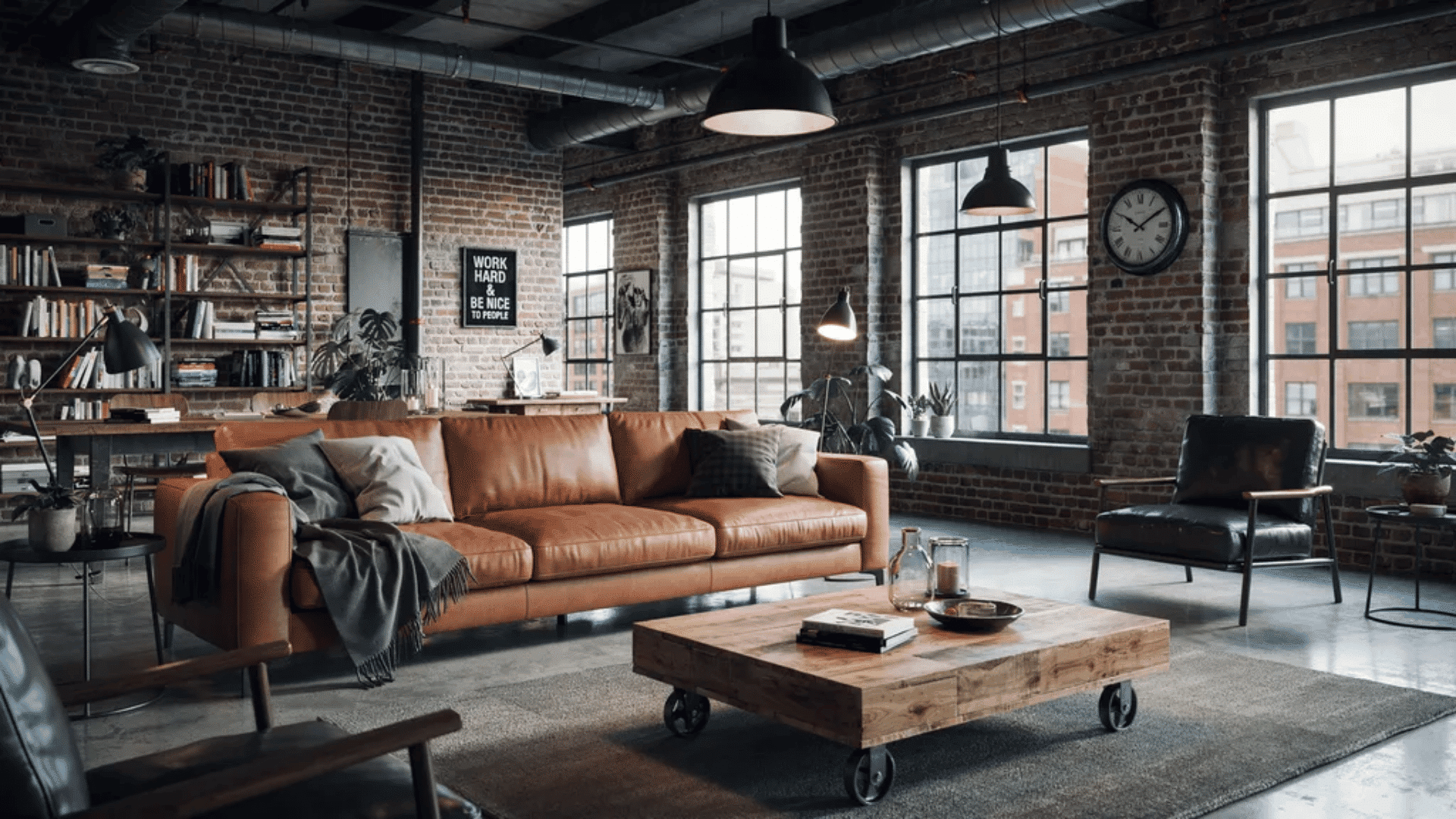
Industrial design draws inspiration from old factories and converted warehouses. It celebrates raw materials instead of hiding them.
Exposed brick, concrete, metal, and reclaimed wood create an unfinished look. Simple furniture and open spaces keep the design functional.
10. Rustic Design
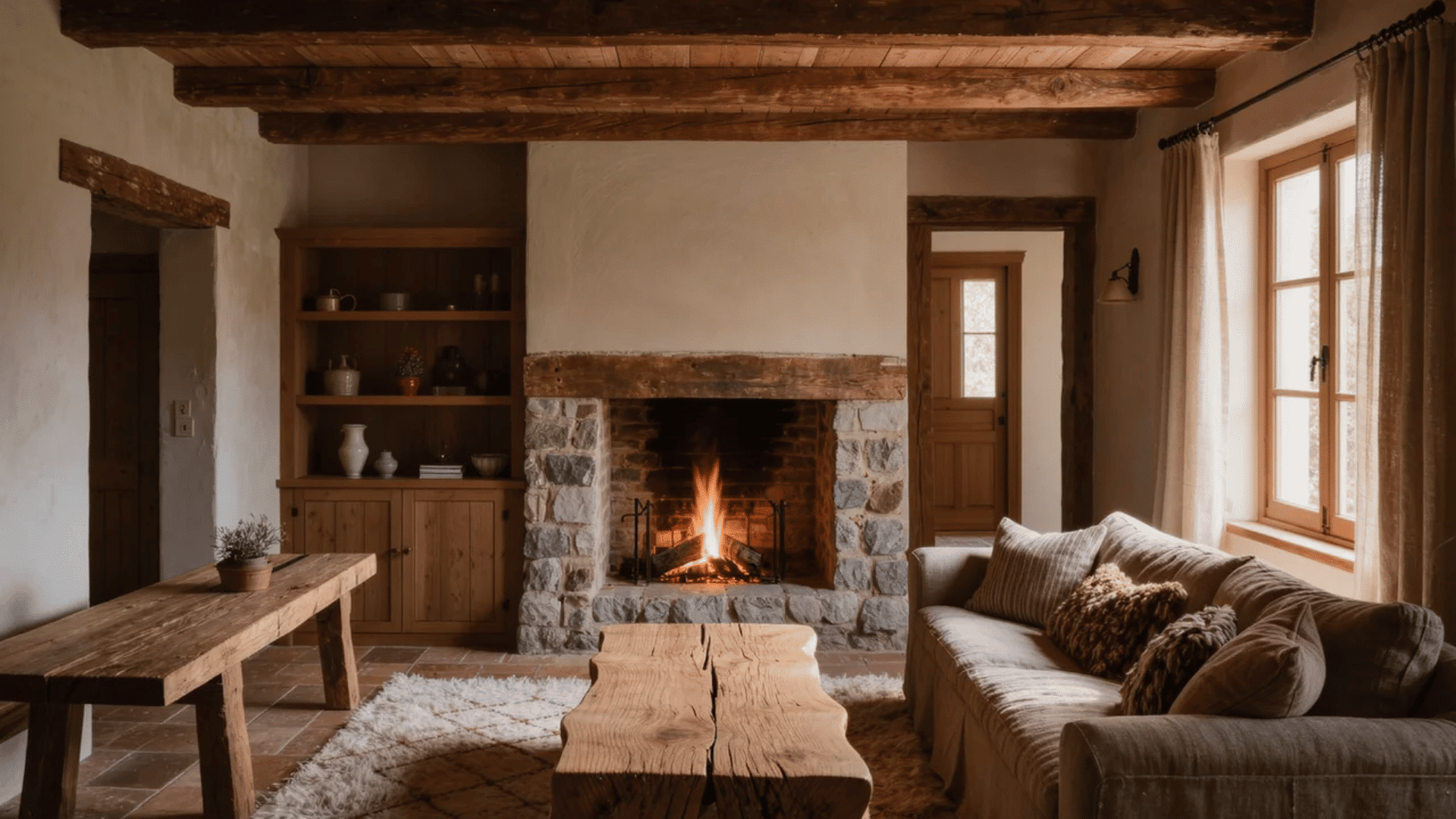
Rustic design highlights the beauty of natural materials and handcrafted finishes. It creates warm spaces that feel comfortable and welcoming.
Wood, stone, and earthy colors give rooms a relaxed character. Furniture often has a sturdy, weathered appearance that adds charm.
11. Modern FarmhouseDesign
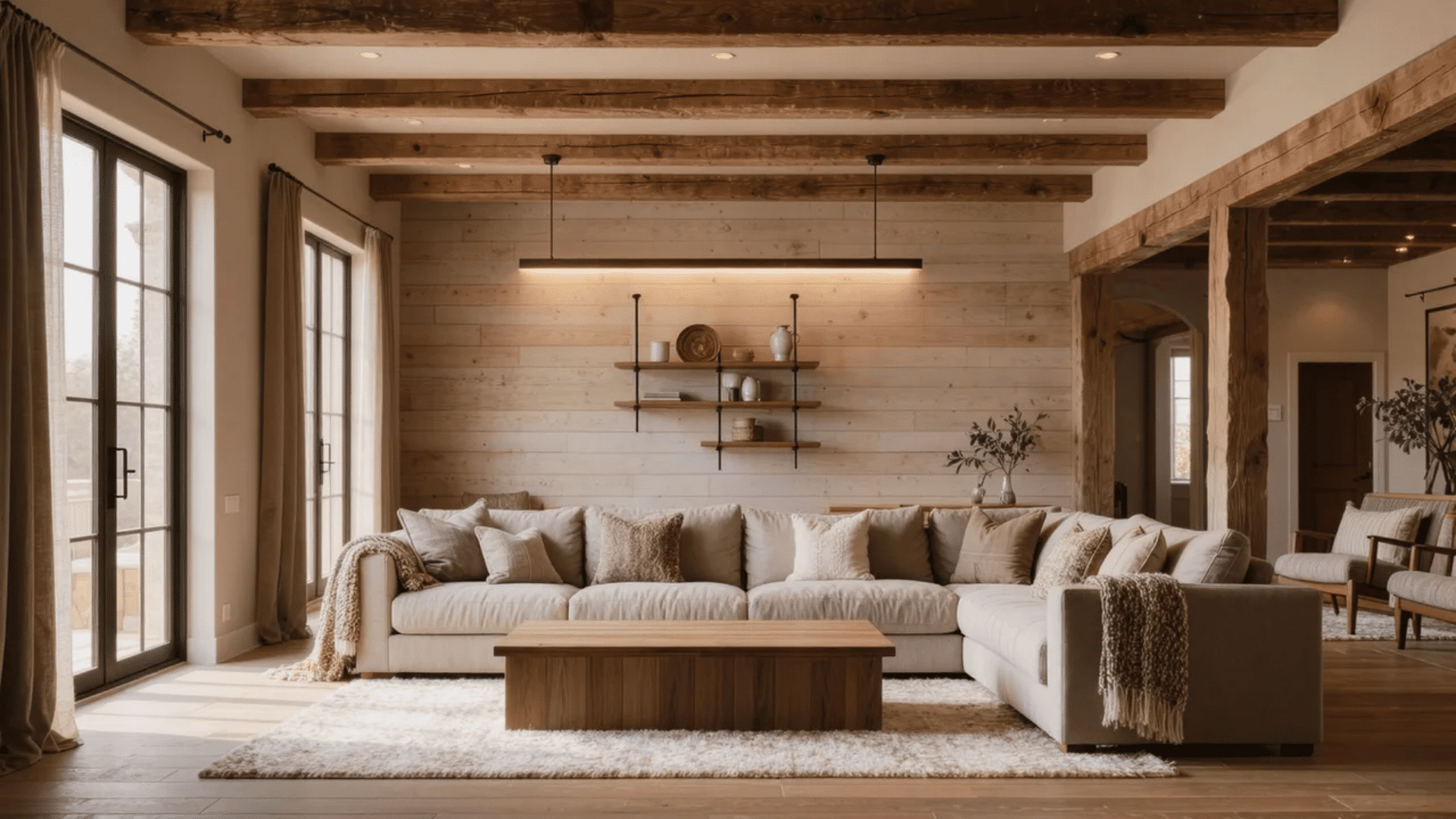
Modern farmhouse combines rustic warmth with clean, contemporary design. It keeps traditional farmhouse charm while reducing visual clutter.
Neutral colors, natural wood, and black accents define the style. Comfortable furniture and practical layouts make the space feel inviting.
12. Coastal Design
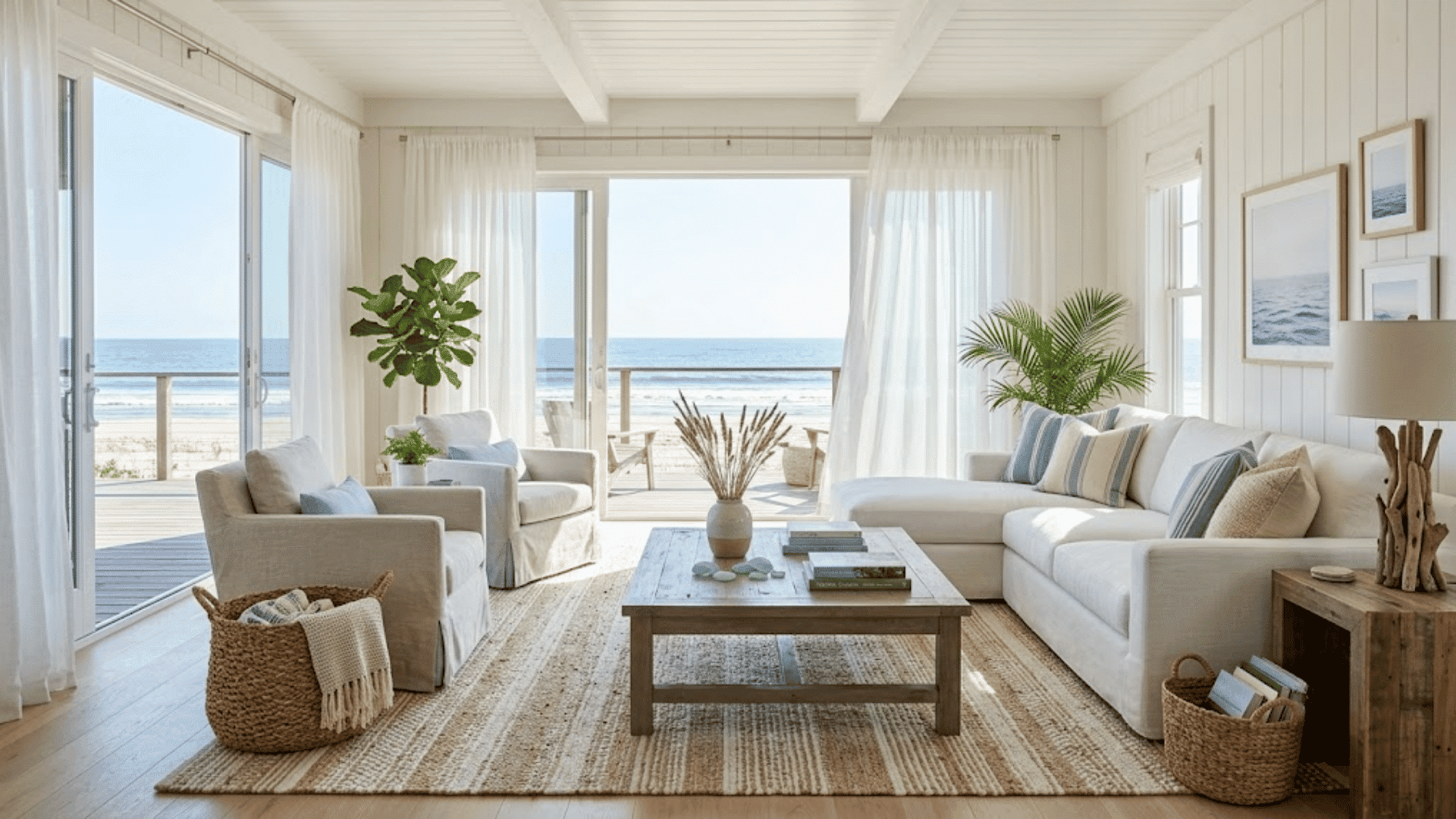
Coastal design brings the relaxed feeling of the beach indoors without becoming overly themed. It focuses on light, openness, and natural textures.
Soft blues, whites, sandy tones, and woven materials create an airy atmosphere. The rooms feel bright, fresh, and easy to live in.
13. Mediterranean Design
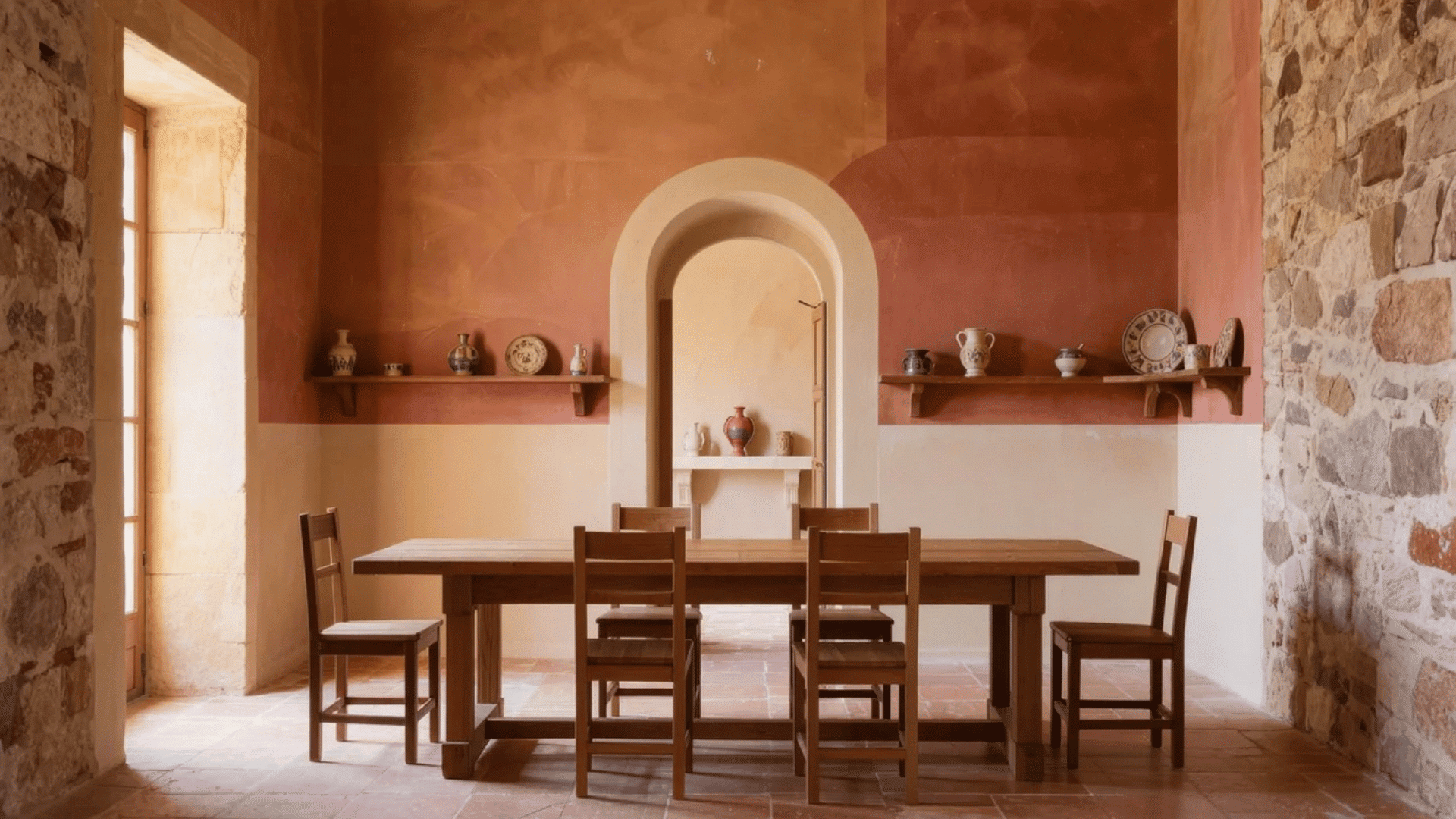
Mediterranean design is inspired by homes found across Southern Europe. It combines natural materials with warm colors and relaxed elegance.
Stone, terracotta, wood, and textured walls give the space character. Curved details and earthy tones create a welcoming atmosphere.
14. Bohemian Design
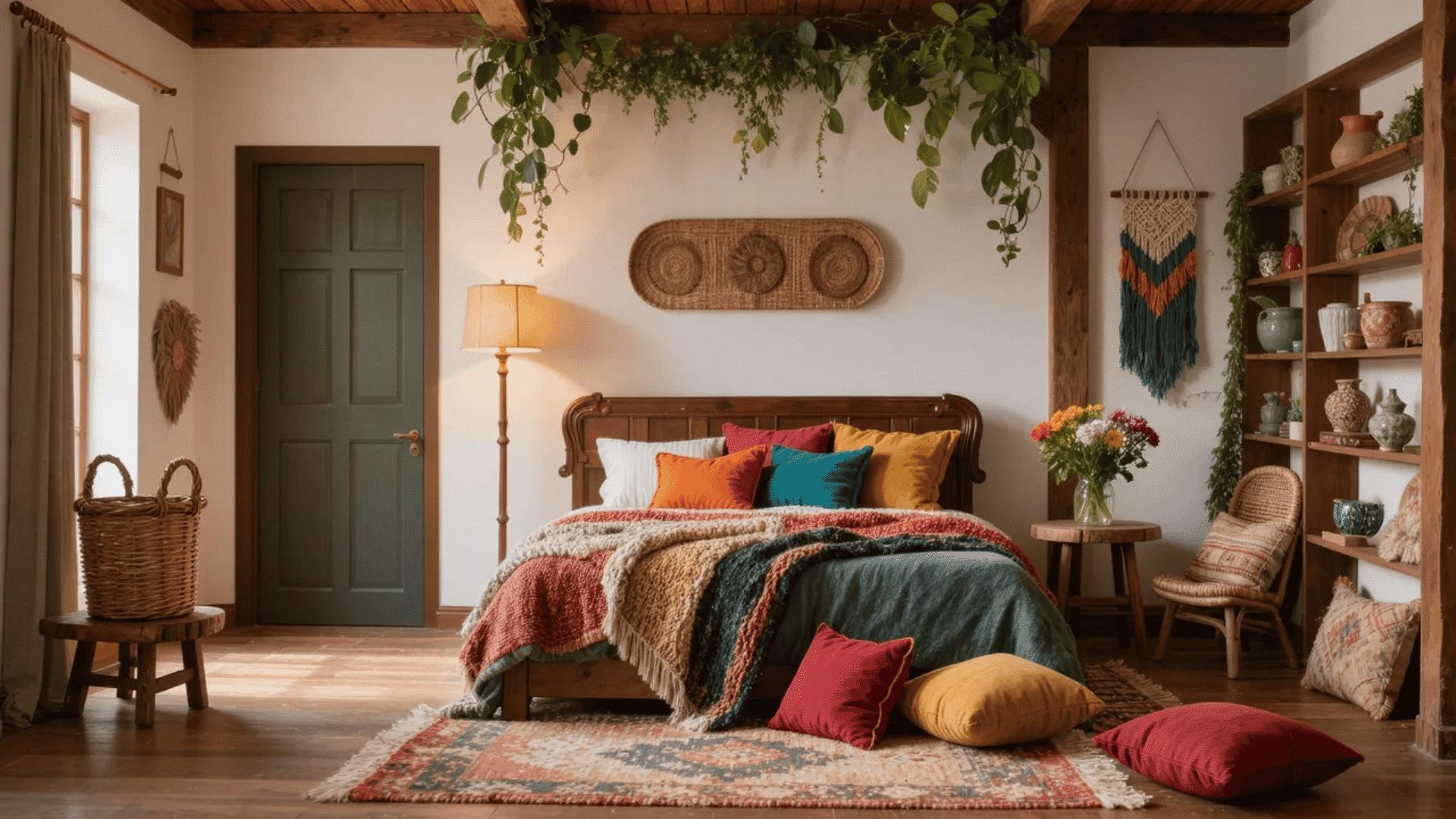
Bohemian design celebrates creativity through layered colors, patterns, and collected decor. It encourages personal expression instead of strict design rules.
Mixed textiles, vintage furniture, and global influences give every room character. The space feels relaxed, artistic, and full of personality.
15. Eclectic Design
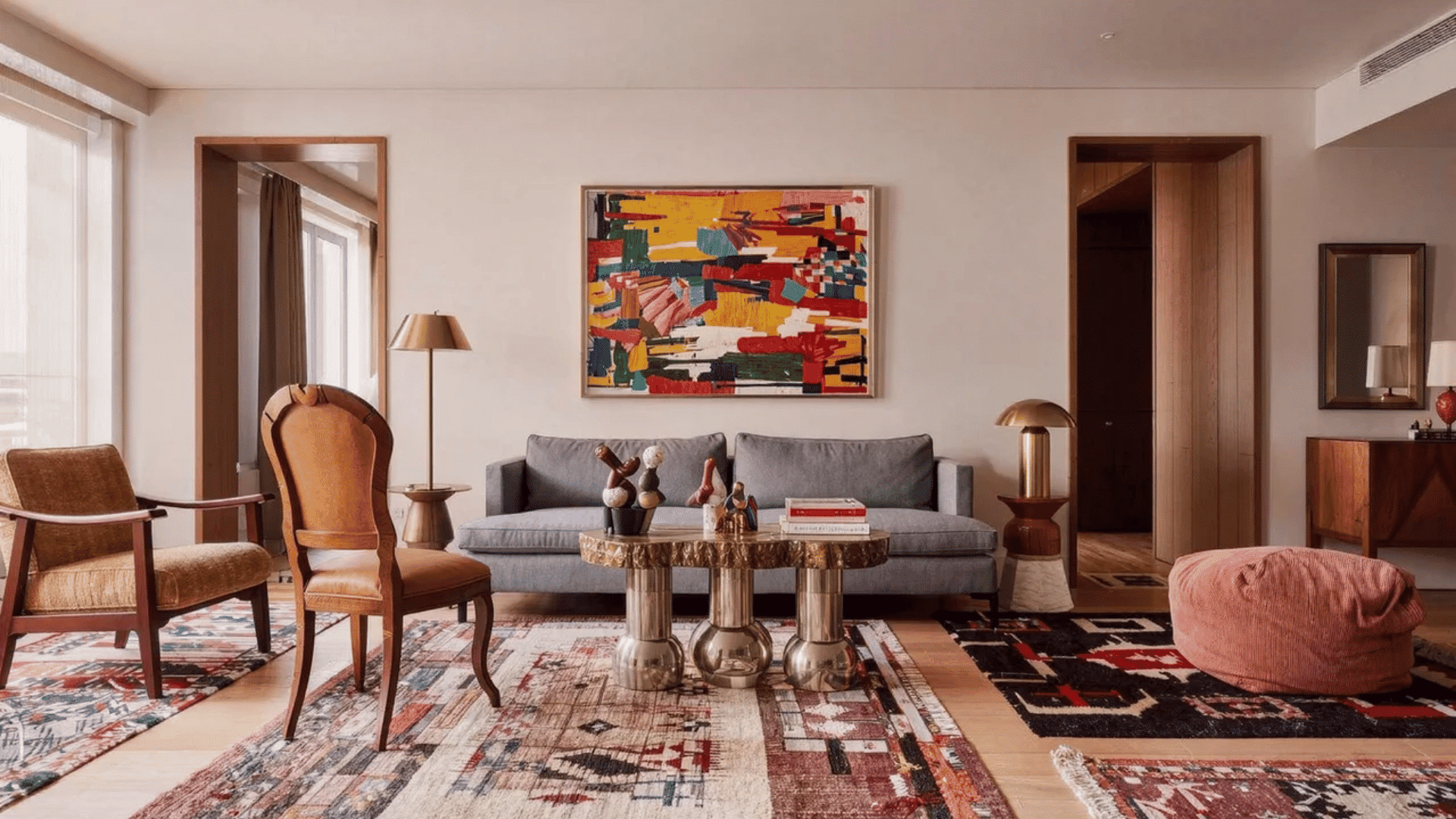
Eclectic design brings together elements from different styles into one cohesive space. The goal is balance, not randomness, with every piece chosen intentionally.
A consistent color palette and thoughtful mix of furniture help tie everything together. When done well, the room feels personal without looking cluttered.
16. Maximalist Design
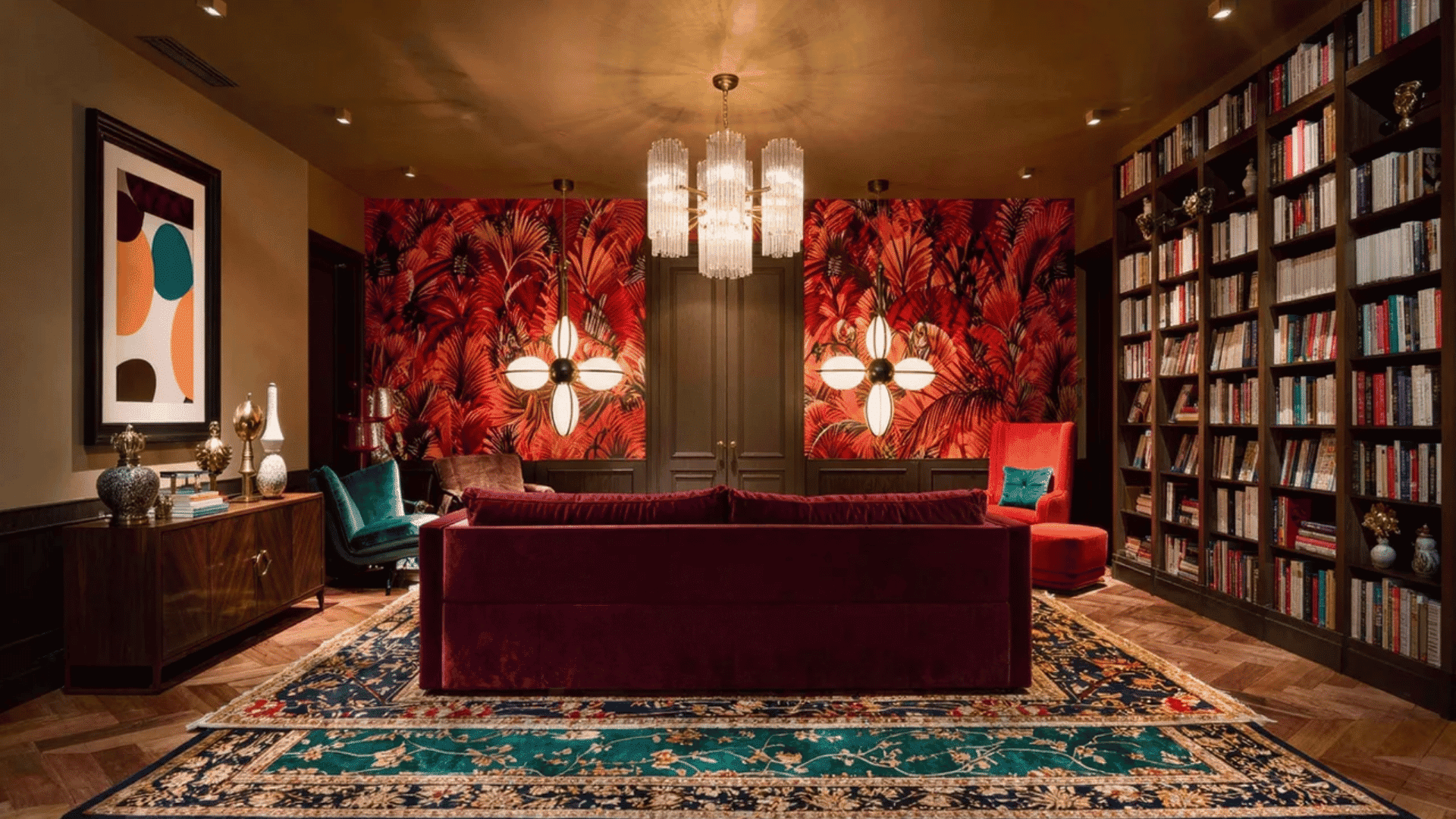
Maximalist design embraces bold colors, layered patterns, and statement pieces with confidence. It celebrates personality instead of keeping things simple.
Artwork, collections, and rich textures fill the space with visual interest. Every room feels expressive while still following a clear design direction.
17. Art Deco Design
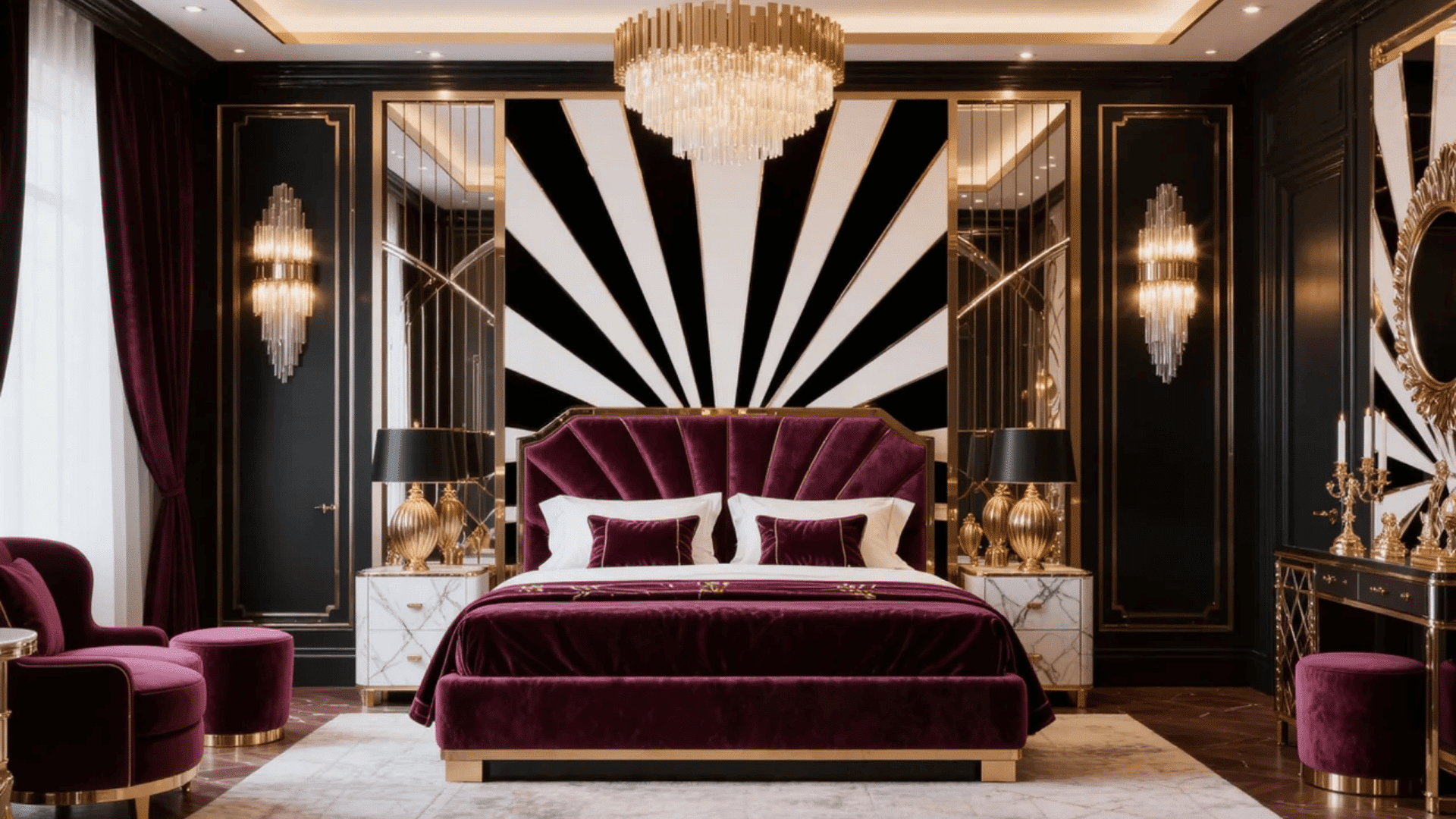
Art Deco design is known for its glamorous look and bold geometric details. It combines luxury materials with strong shapes and symmetry.
Gold accents, marble, velvet, and polished finishes are common features. The style creates elegant spaces that feel dramatic and refined.
18. French Country Design
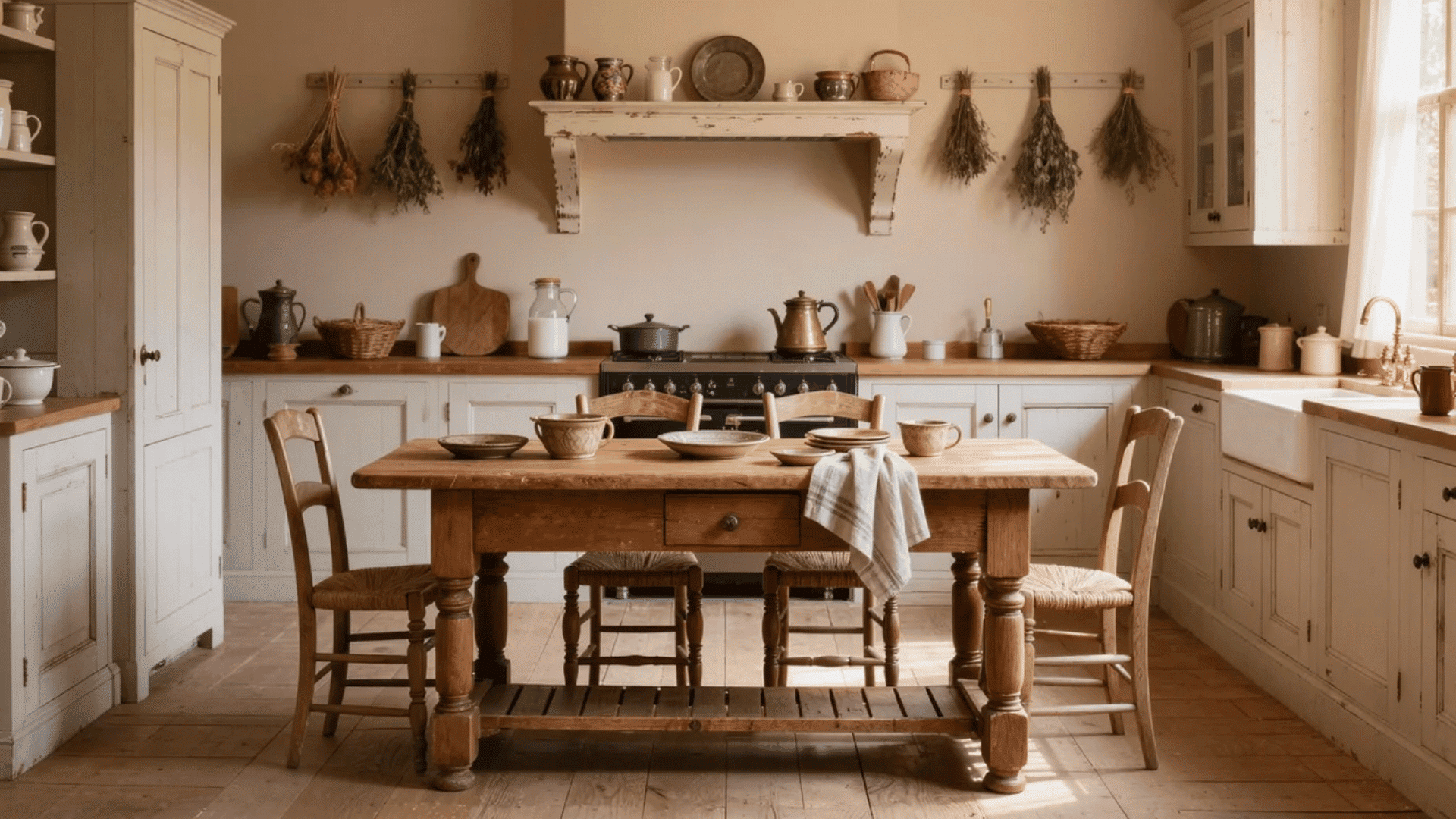
French country design combines rustic charm with understated elegance for a warm, welcoming home. It feels relaxed without losing its classic appeal.
Soft neutral colors, distressed wood, and natural fabrics define the look. Decorative details add character without making the room feel formal.
19. Hollywood Regency Design
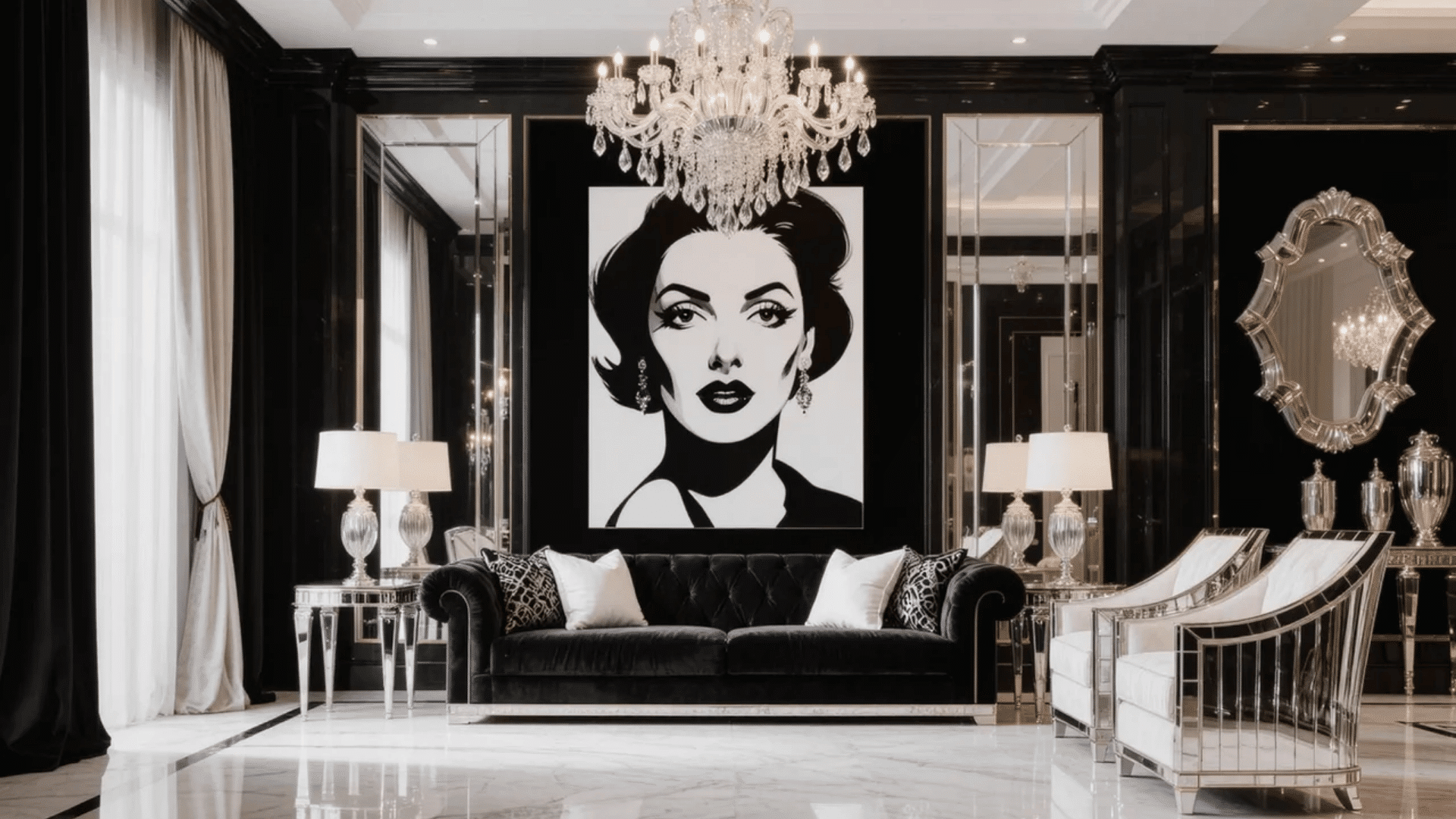
Hollywood Regency design is inspired by old Hollywood glamour and luxury. It favors bold contrasts, rich materials, and eye-catching furniture.
Mirrors, metallic finishes, velvet, and statement lighting are signature features. The result is a sophisticated space with plenty of personality.
20. Shabby Chic Design
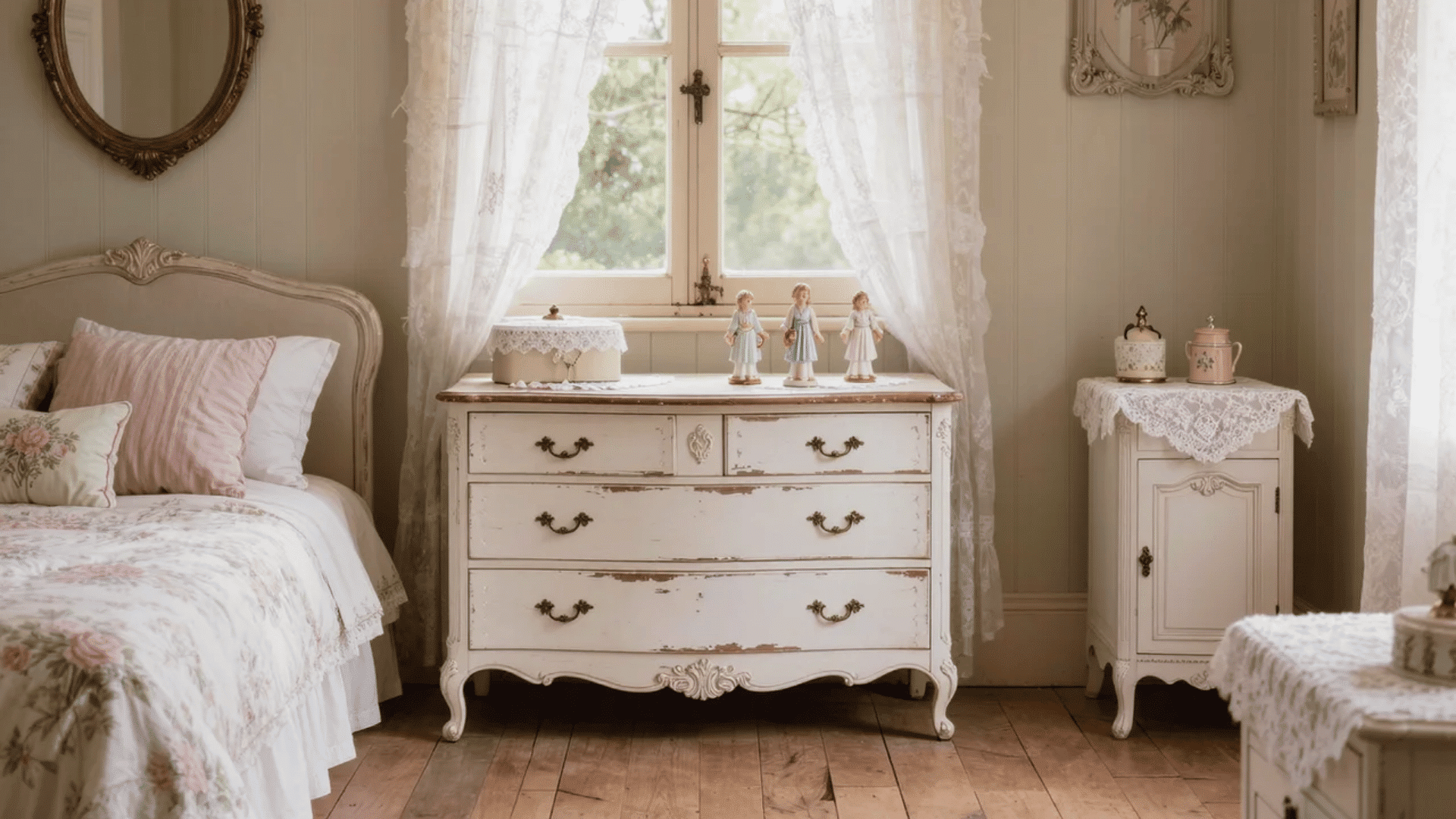
Shabby chic design blends vintage furniture with soft colors and a lived-in feel. It creates cozy spaces that feel relaxed and romantic.
White finishes, floral fabrics, and distressed wood are common throughout. The style values charm and comfort over perfection.
21. Victorian Design
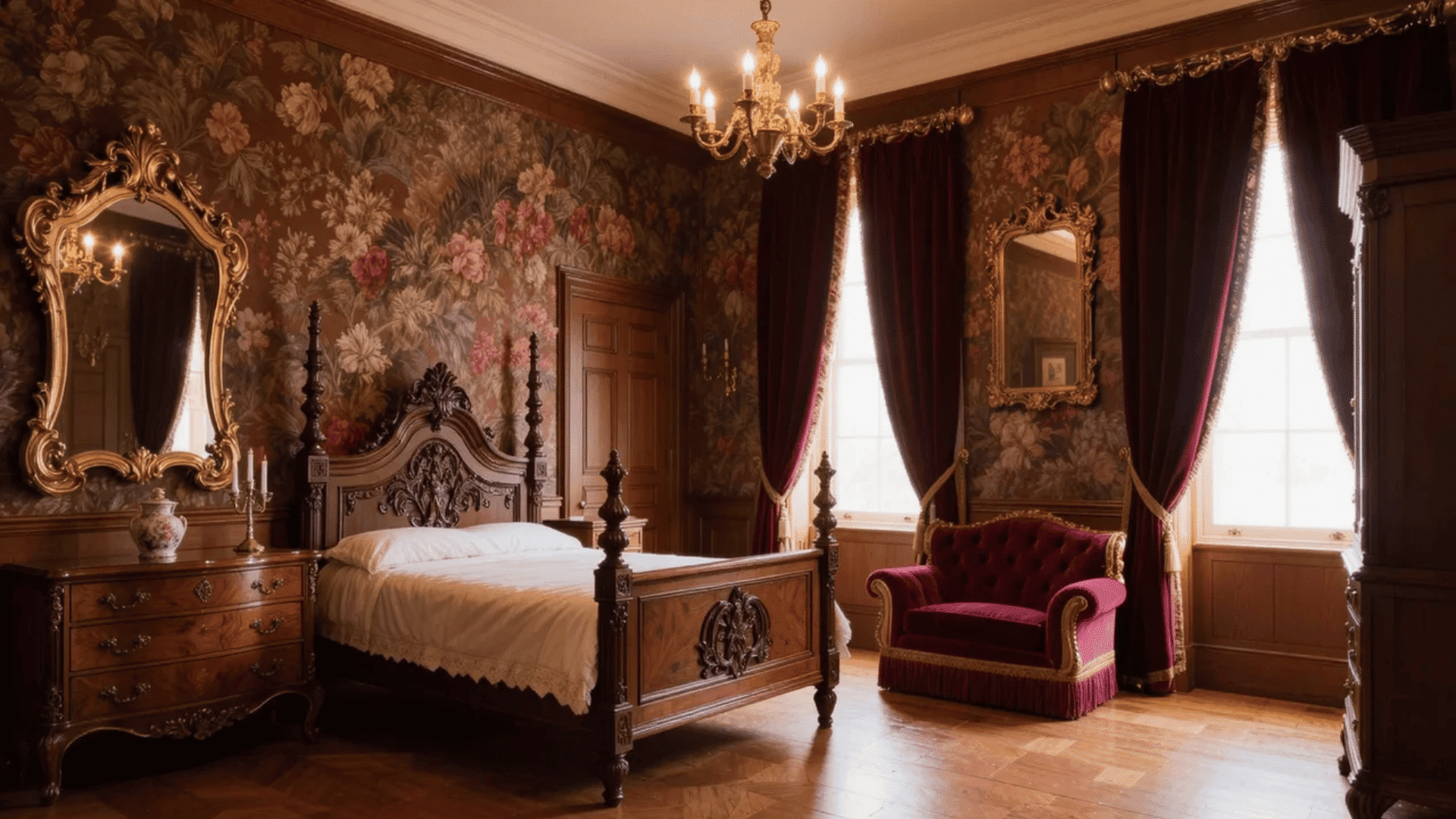
Victorian design reflects the elegance and detail of the Victorian era. It features ornate furniture, decorative patterns, and layered interiors.
Rich colors, carved wood, and luxurious fabrics create a formal atmosphere. Every room feels grand and full of historical character.
22. Cottage-core Design
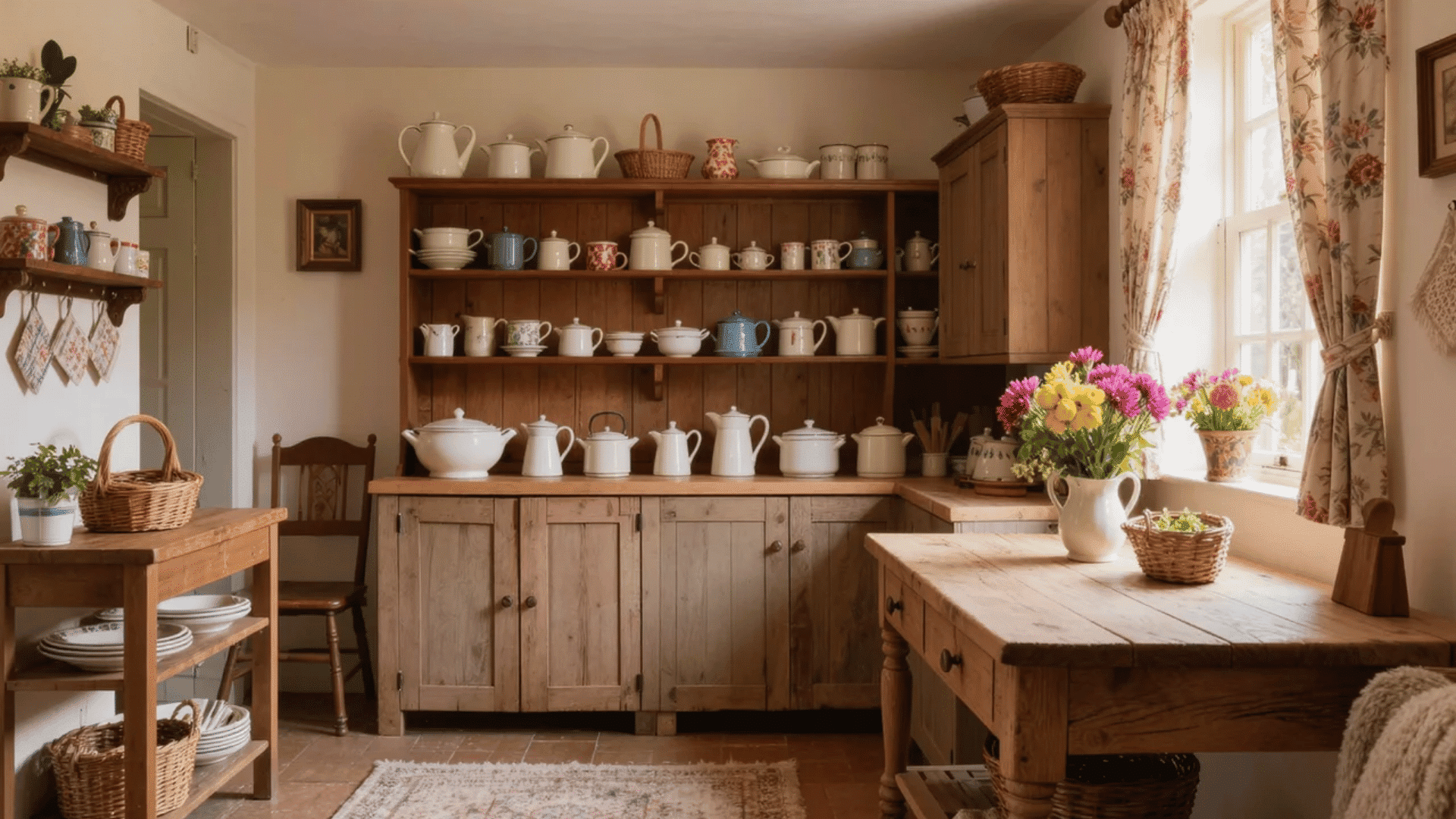
Cottagecore design captures the charm of simple countryside living through cozy interiors. It focuses on comfort, handmade details, and natural beauty.
Floral prints, vintage furniture, and soft colors create a peaceful setting. The style feels warm, nostalgic, and inviting.
23. English Cottage Design
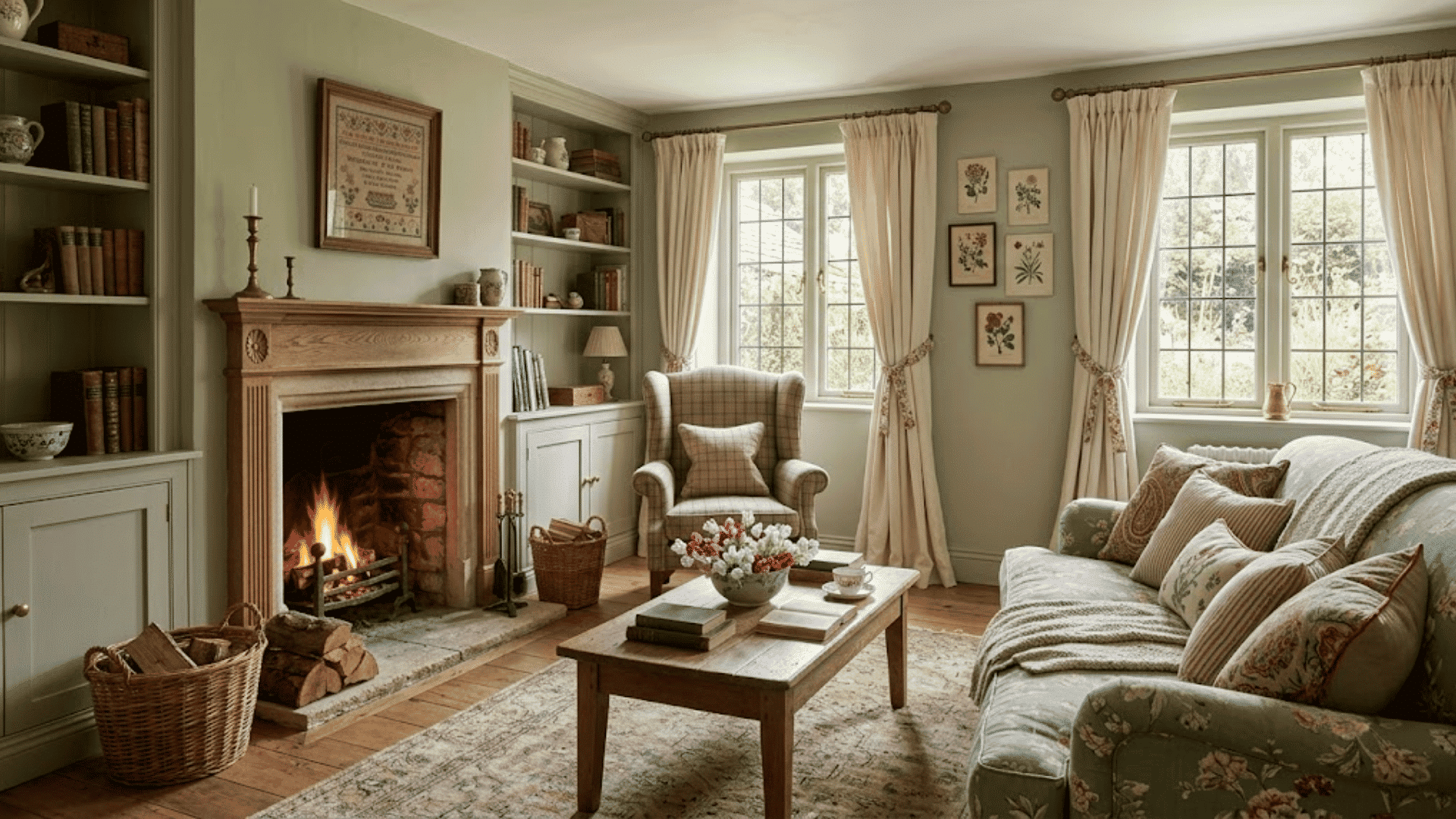
English cottage design creates comfortable homes filled with warmth and character. It blends traditional furniture with relaxed, everyday living.
Layered textiles, floral patterns, and natural wood add timeless charm. The rooms feel collected over time rather than perfectly matched.
24. Colonial Design
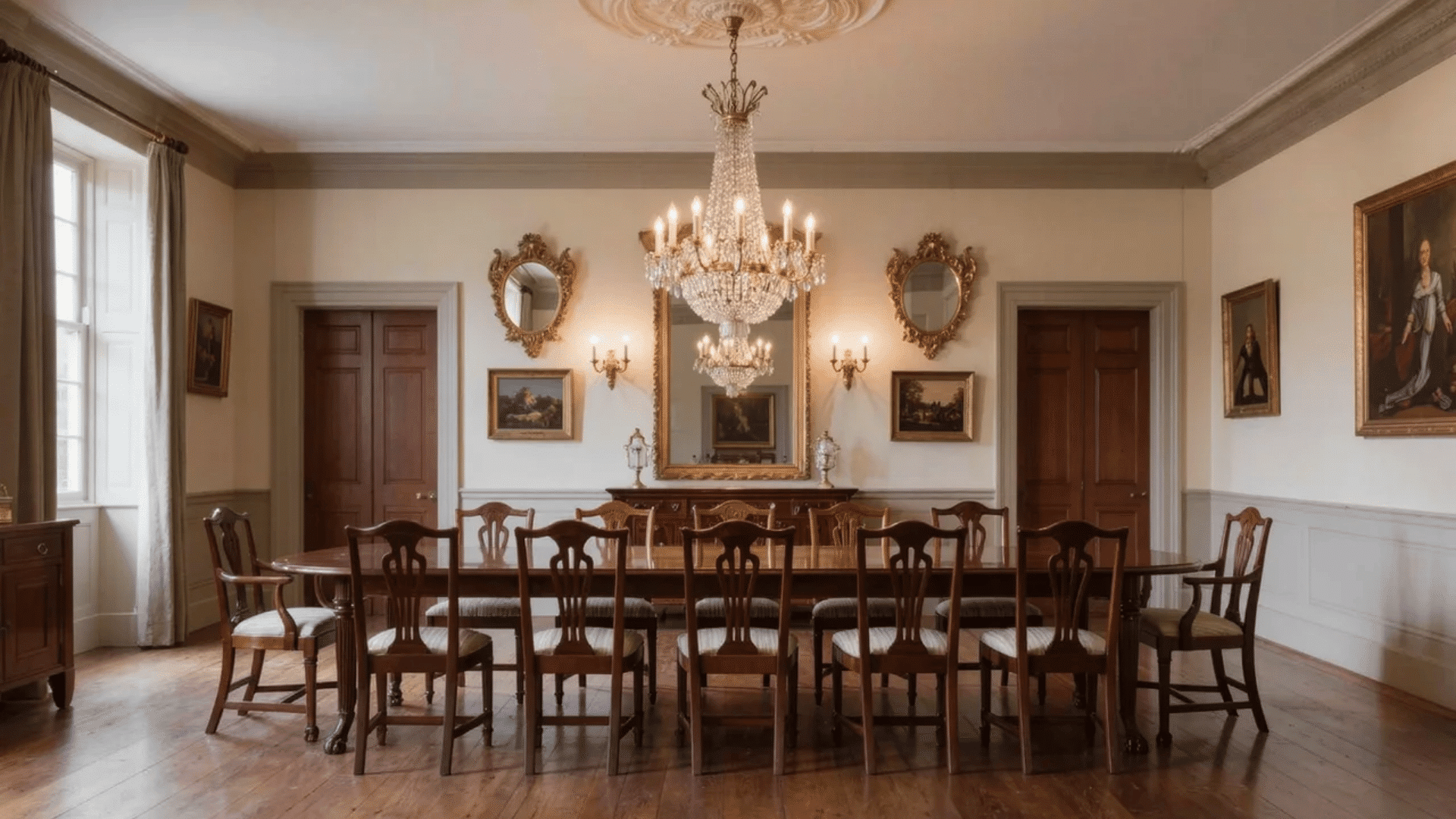
Colonial design is inspired by early American homes with balanced layouts and classic furniture. It emphasizes symmetry and timeless craftsmanship.
Dark wood, neutral colors, and traditional details give the style its refined appearance. The overall look is elegant yet practical.
25. Craftsman Design
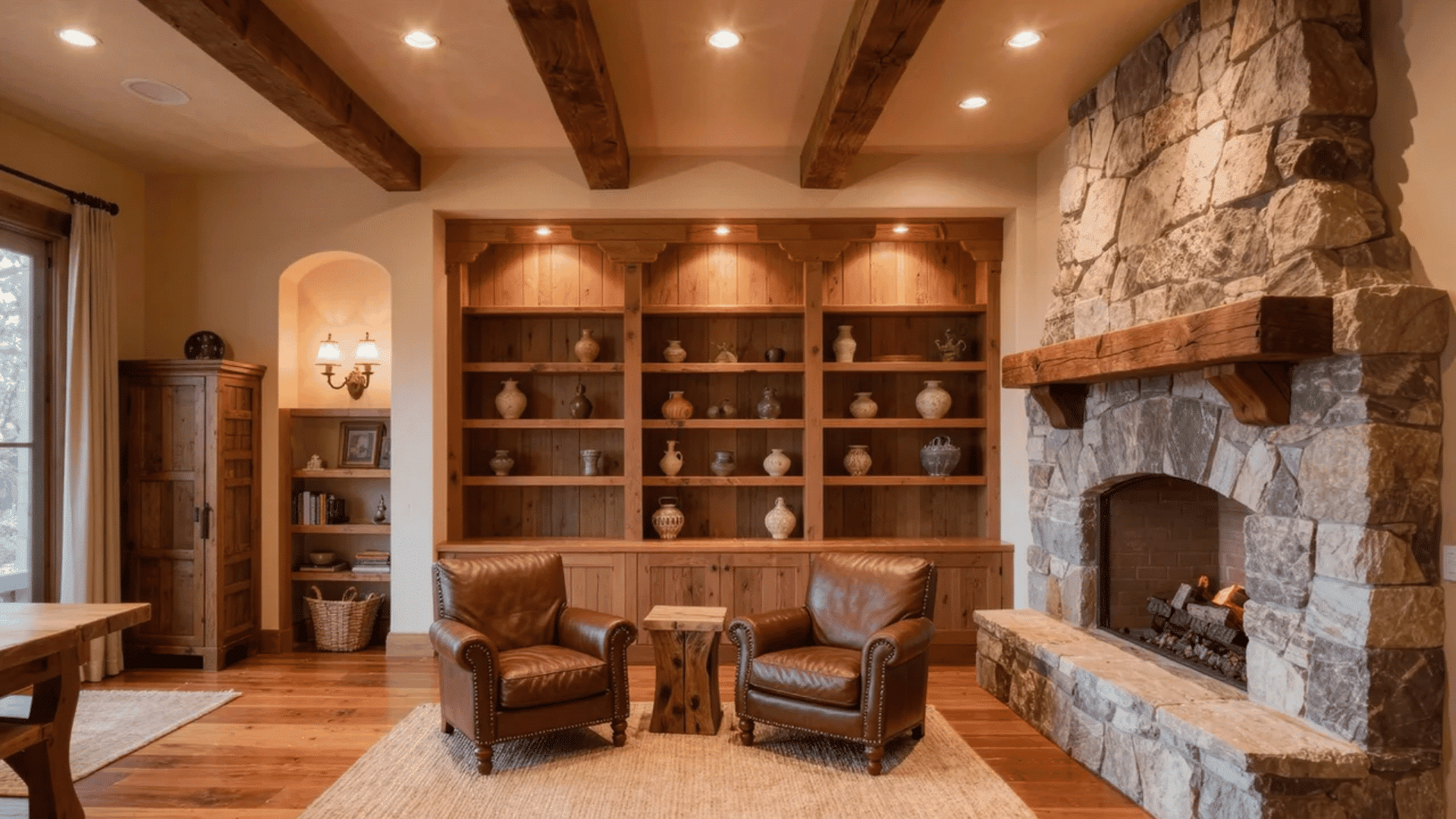
Craftsman design celebrates handcrafted furniture and honest construction. It highlights quality materials instead of excessive decoration.
Natural wood, built-in storage, and simple lines define the style. Every detail focuses on function, durability, and skilled craftsmanship.
26. Moroccan Design
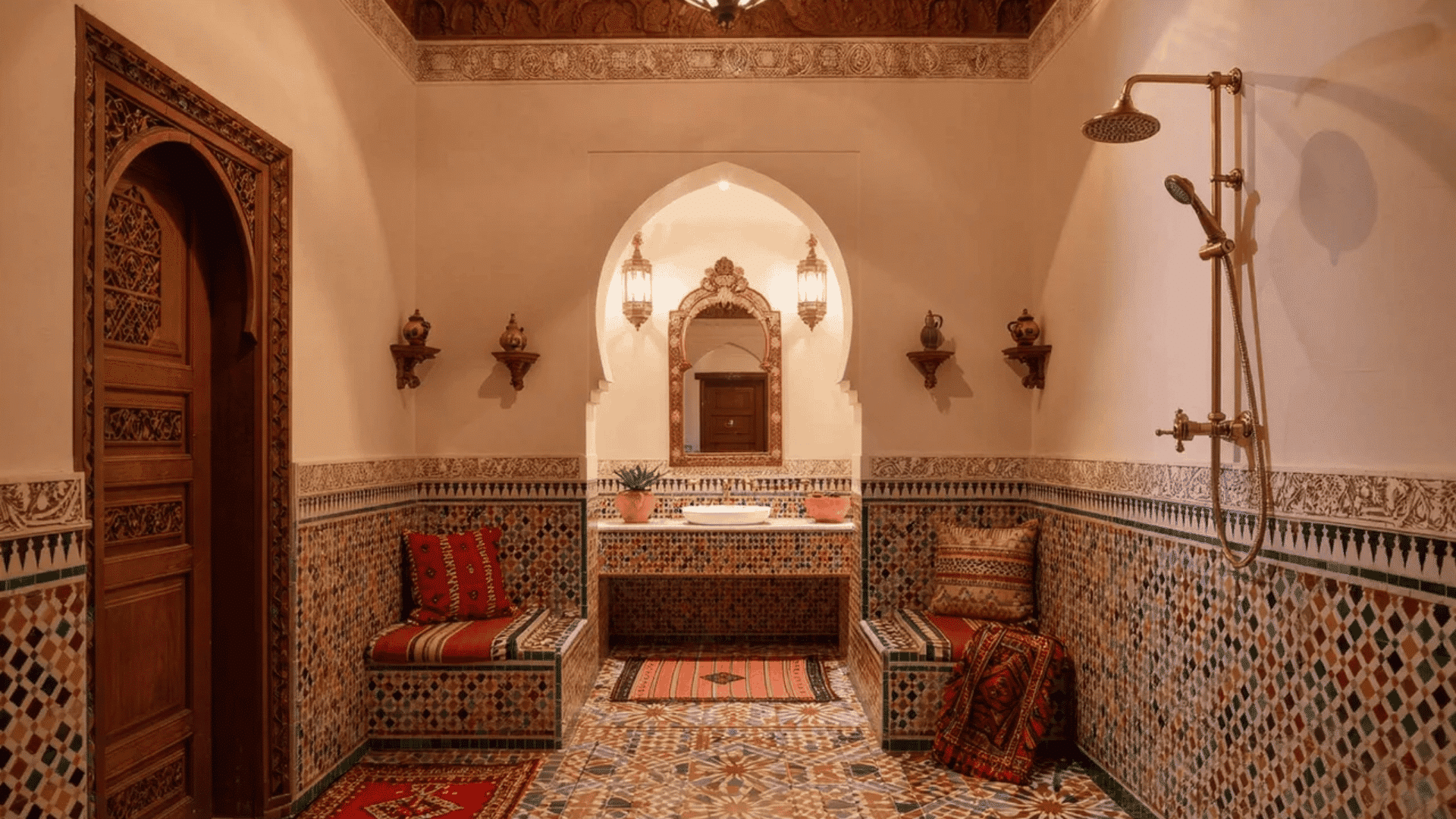
Moroccan design is rich in color, texture, and intricate decorative details. It creates warm, vibrant spaces with a handcrafted feel.
Patterned tiles, carved wood, arches, and colorful textiles are signature features. The rooms feel bold, inviting, and full of character.
27. SouthwesternDesign
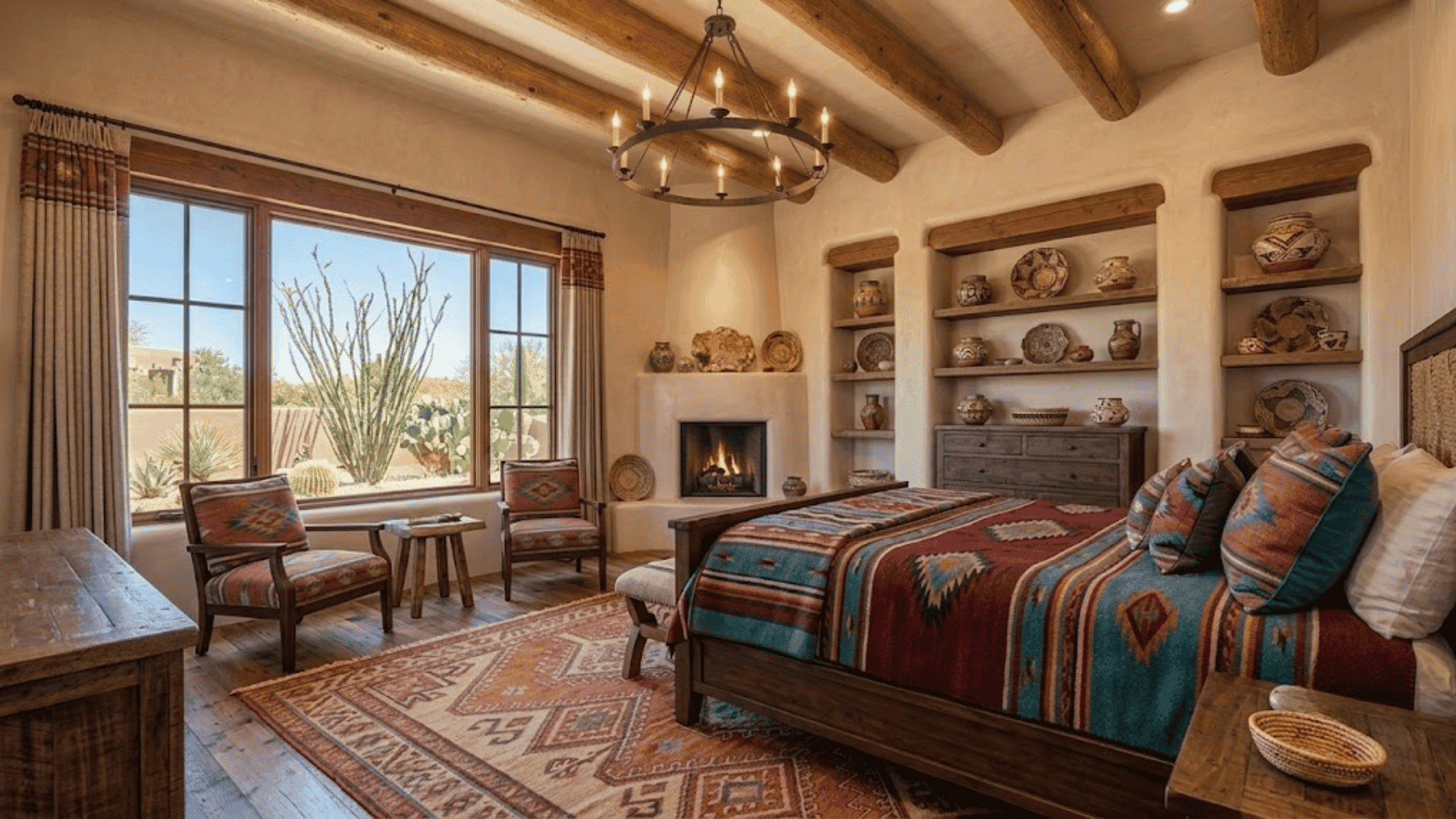
Southwestern design reflects the landscapes and cultures of the American Southwest. It combines earthy colors with natural materials and handcrafted accents.
Terracotta, leather, wood, and woven textiles create a warm atmosphere. The style feels rustic while remaining comfortable and welcoming.
28. Asian Zen Design
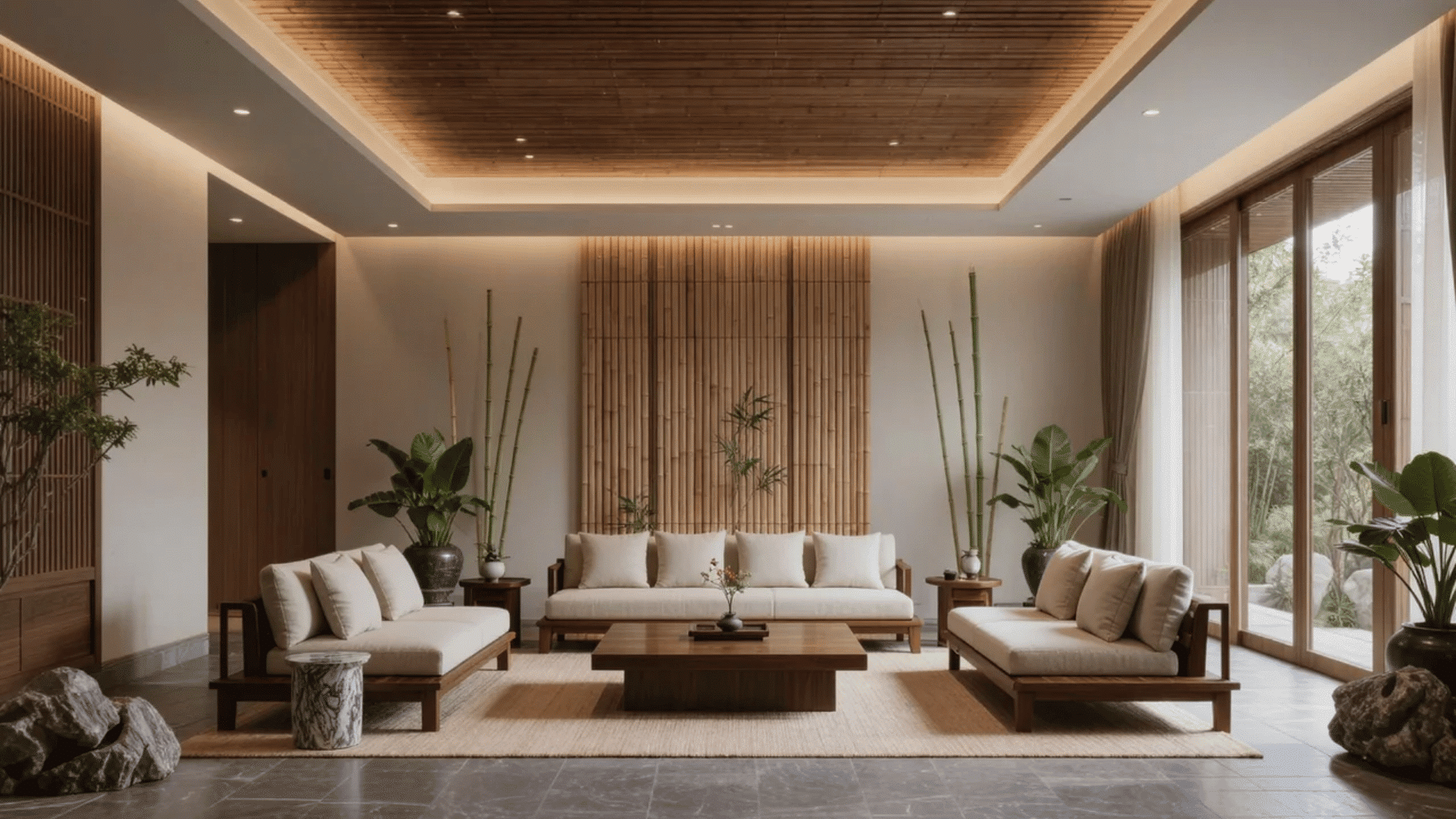
Asian Zen design focuses on simplicity, balance, and a peaceful atmosphere. It removes unnecessary distractions to encourage relaxation.
Natural wood, stone, soft colors, and open spaces create harmony throughout the home. Every element is chosen to promote calm and mindfulness.
29. ParisianDesign
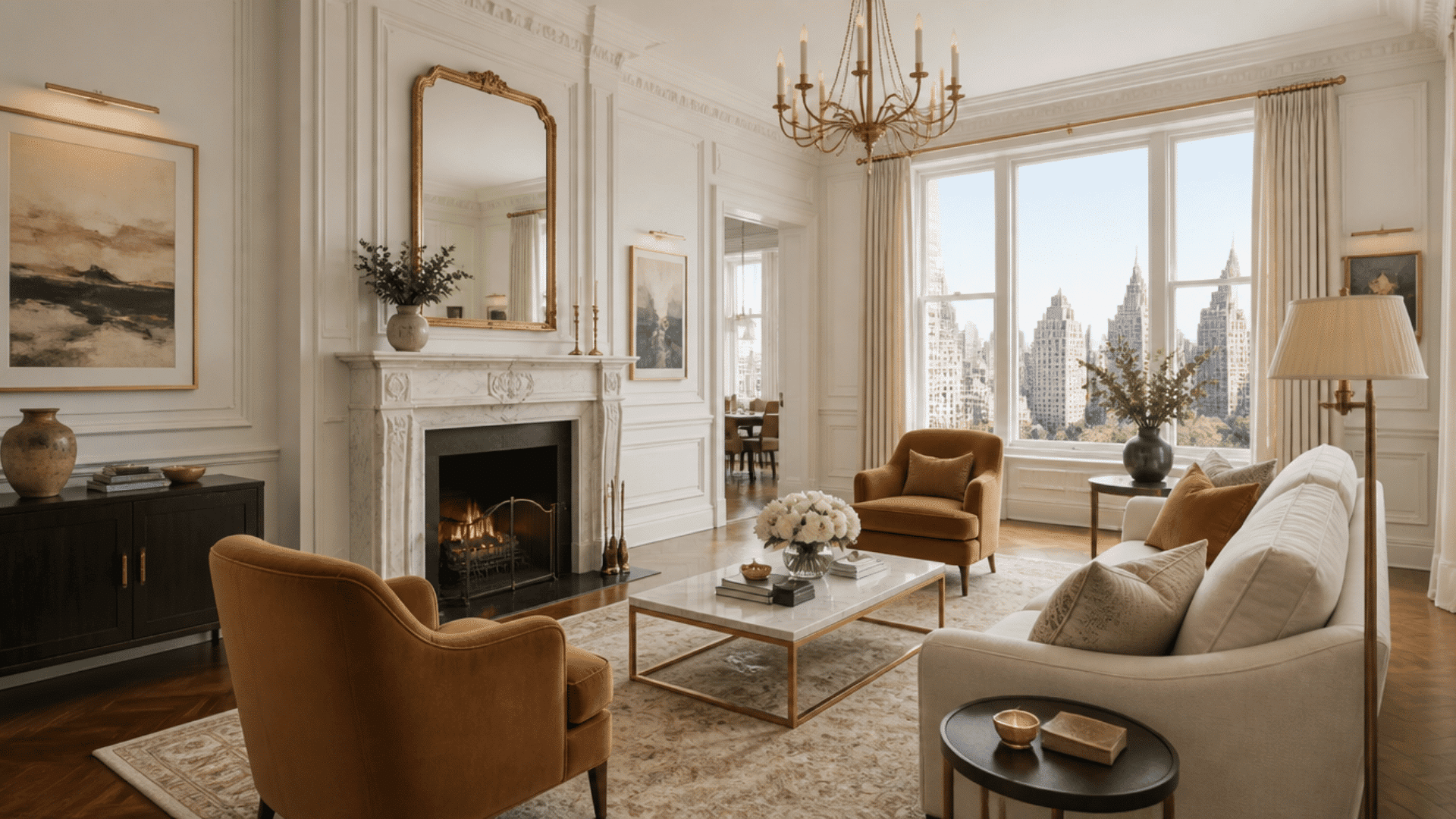
Parisian design mixes classic elegance with modern simplicity for a timeless look. It balances decorative architecture with carefully selected furniture.
Neutral colors, vintage pieces, and refined details create effortless sophistication. The rooms feel stylish without appearing overly designed.
30. Organic Modern Design
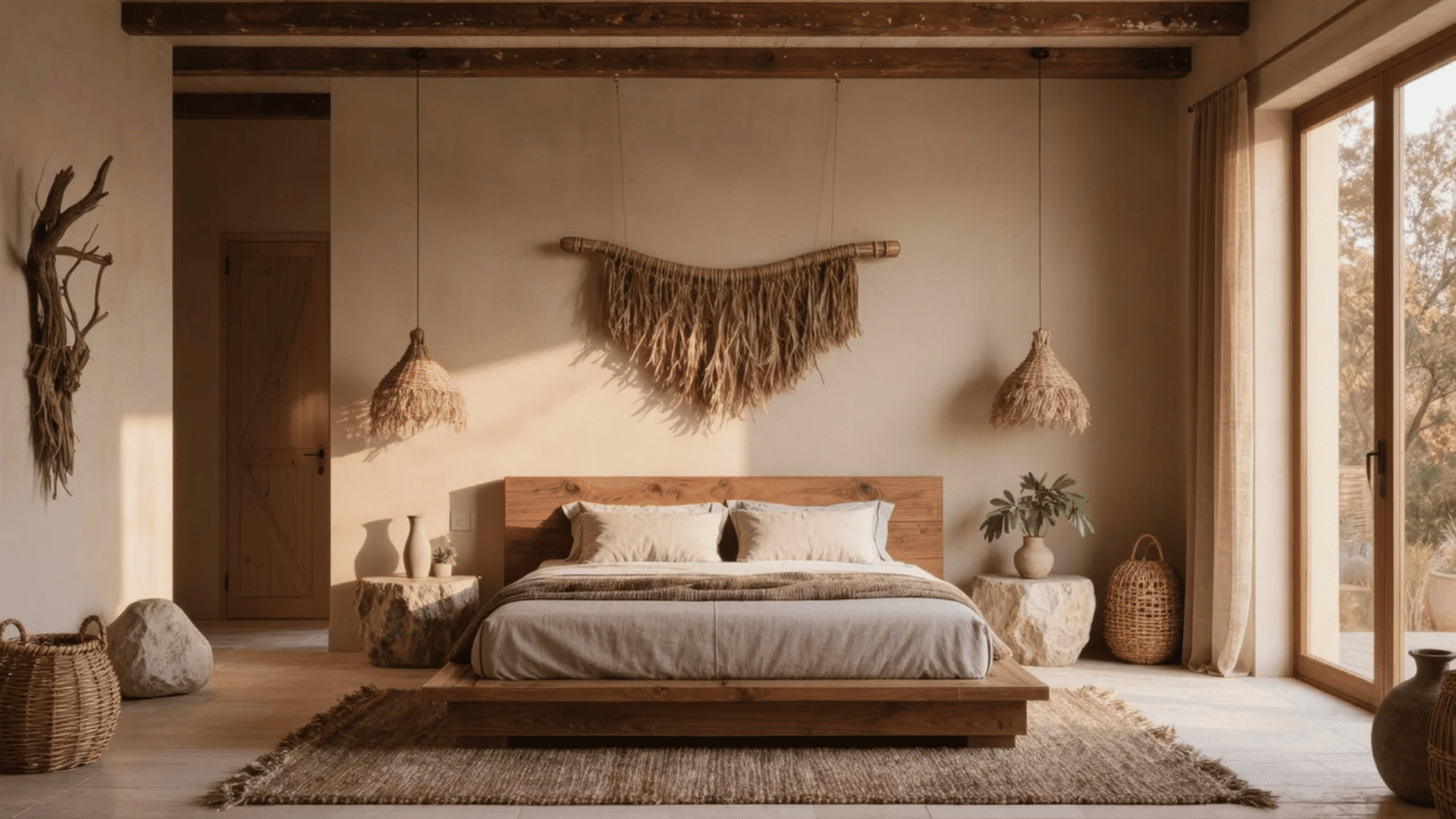
Organic modern design combines clean contemporary interiors with natural materials and soft textures. It creates spaces that feel both modern and welcoming.
Wood, stone, linen, and earthy colors add warmth to simple layouts. The result is a calm, comfortable home with timeless appeal.
31. Tropical Design
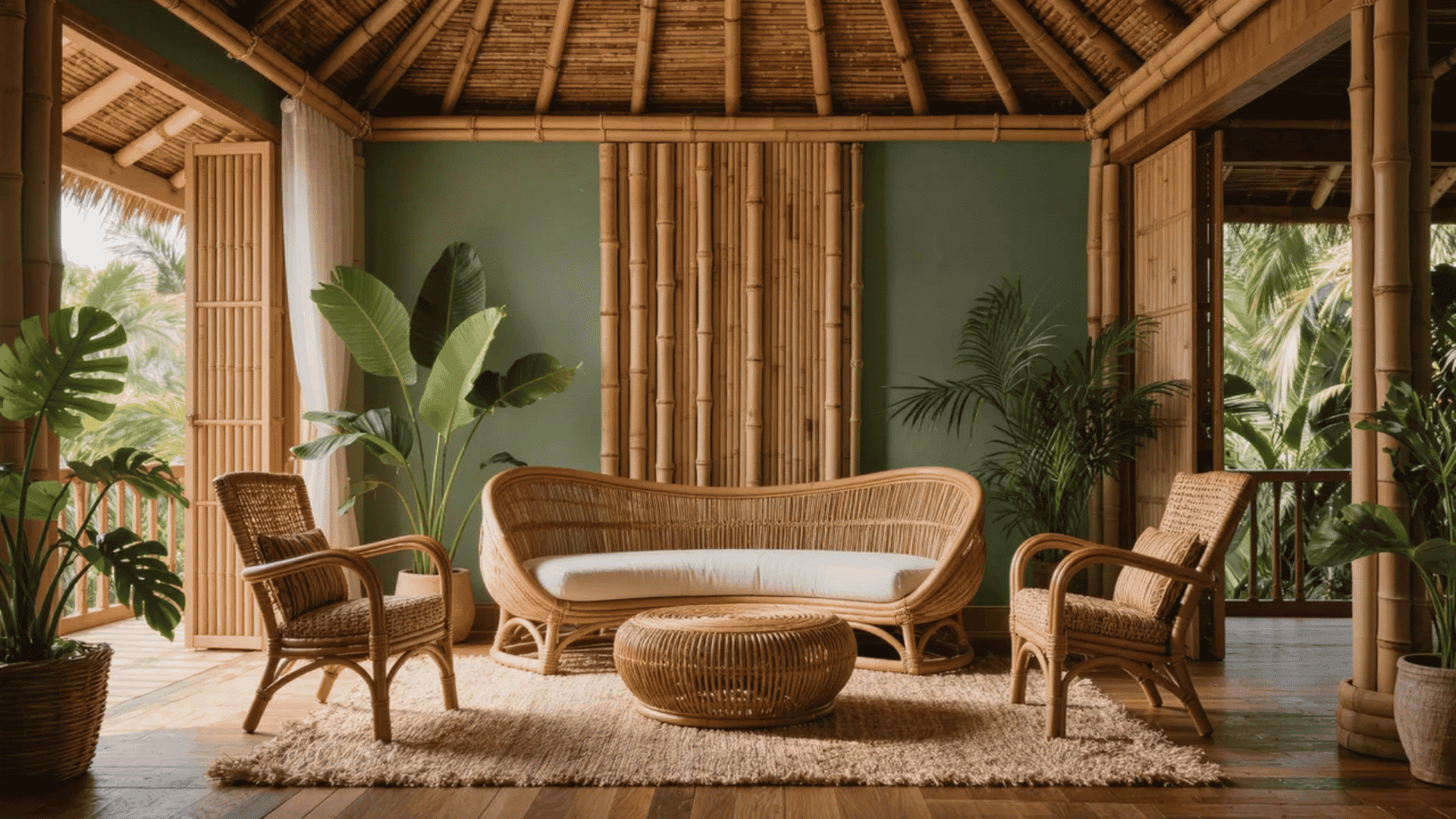
Tropical design brings the relaxed feeling of island living into the home. It emphasizes light, fresh spaces filled with natural elements.
Rattan, bamboo, greenery, and bright natural light define the style. The rooms feel airy, vibrant, and connected to nature.
How to Choose the Right Interior Design Style?
Choosing an interior design style is easier when you consider your home, lifestyle, and preferences instead of copying trends. These tips help you decide.
- Consider your home’s architecture: Modern homesoften suit clean, simple styles, while older homes naturally complement traditional or classic interiors.
- Match your lifestyle: If you have kids, pets, or entertain often, choose durable materials and layouts that are easy to live with.
- Work with your existing furniture: Build around quality pieces you already own instead of replacing everything to fit a new style.
- Think about maintenance: Some styles need frequent cleaning or careful upkeep, while others are more practical for everyday living.
- Choose a color palette and pattern level you enjoy: Decide whether you prefer neutral, calming spaces or bold colors and layered patterns.
- Mix styles carefully: Combine no more than two styles, letting one be the main influence while the other adds personality through accents and decor.
The right style should feel natural in your home, support daily life, and reflect your personal taste without becoming difficult to maintain.
Common Interior Design Mistakes to Avoid
The right interior design style can still feel unfinished if common mistakes are ignored. Avoiding errors creates a balanced, functional space.
- Copying Trends: Avoid styles that quickly feel outdated.
- Mixing Too Many Styles: Keep styles balanced for a cohesive look.
- Ignoring Scale and Proportion: Match furniture size with your space.
- Wrong Lighting Choices: Use lighting that supports the room’s mood.
- Overdecorating Surfaces: Avoid cluttering every area.
- Buying Furniture Too Early: Plan layouts before purchasing pieces.
- Ignoring Texture and Materials: Add variety with different finishes.
- Following Pictures Blindly: Adapt ideas to your home’s structure.
Avoiding these common mistakes helps create a cohesive interior that feels intentional, comfortable, and suited to your space.
Conclusion
The right interior design style becomes much easier once you understand what makes each one unique and how it fits your home, lifestyle, and personal taste.
Instead of following short-lived trends, focus on a style that feels comfortable, practical, and timeless for your space.
Whether you prefer clean, modern interiors or cozy, traditional rooms, a clear design direction will make every decorating decision feel more intentional.
Ready to transform your home? Start with one style that speaks to you and build your space one room at a time.
We’d love to hear from you; share your favorite interior design style, or ask your questions in the comments below!
Frequently Asked Questions
Can Your Interior Design Style Change Over Time?
Yes, your style can naturally evolve as your lifestyle, family needs, or personal preferences change. Updating a few key pieces is often enough without redesigning the entire home.
Should Every Room in Your House Use the Same Interior Design Style?
No, each room can have its own personality while sharing similar colors, materials, or finishes. This creates variety without making the home feel disconnected.
Is it Expensive to Decorate in a Specific Interior Design Style?
Not necessarily. You can achieve most interior design styles by gradually adding furniture, colors, and decor that fit the look, rather than replacing everything at once.