

Some rooms instantly feel calm, inviting, and effortlessly put together. Others feel slightly off, even with expensive furniture and trendy decor.
That difference usually comes down to interior design principles. These quiet rules shape how a space flows, functions, and feels without demanding attention.
From balance and rhythm to contrast and proportion, every detail plays a role in creating rooms that feel intentional instead of accidental.
Great interiors are rarely about perfection or massive budgets. A few smart design choices can completely change the energy of a space and make it feel far more polished, comfortable, and alive.
What Are the Principles of Interior Design?
Interior design principles are the quiet rules that make spaces feel balanced, comfortable, and visually connected. They shape layout, lighting, color, proportion, and flow so every element works together naturally.
Good design is less about trends and more about creating rooms that feel intentional, functional, and easy to live in.
Why Do These Principles Matter?
- Create Cohesion: Rooms feel connected instead of randomly assembled.
- Reduce Visual Chaos: Layouts stay clean, balanced, and easier on the eyes.
- Improve Functionality: Spaces become more comfortable and practical for daily life.
- Add Depth and Interest: Contrast, texture, and rhythm keep rooms from feeling flat.
- Enhance Space Perception: Small rooms feel more open, while larger spaces feel warm and grounded.
The Core Principles of Interior Design
These principles are less about strict rules and more about understanding why certain spaces feel inviting while others feel chaotic. They shape movement, mood, comfort, and visual flow naturally.
Once these fundamentals click, decorating starts feeling far less random and a lot more intentional.
| Principle | What It Controls | Overall Effect |
| Balance | Visual weight | Creates stability and comfort |
| Harmony | Cohesion between elements | Makes a room feel polished and connected |
| Rhythm | Repetition and movement | Guides the eye naturally through a space |
| Emphasis | Focal points | Adds attention and visual drama |
| Contrast | Differences in texture, color, or shape | Brings depth and energy |
| Scale & Proportion | Size relationships | Keeps everything visually balanced |
| Functionality | Practical usability | Makes spaces comfortable for everyday life |
Great interiors rarely rely on a single principle. The magic usually happens when several of them blend together.
1. Balance: The Backbone of Every Good Room
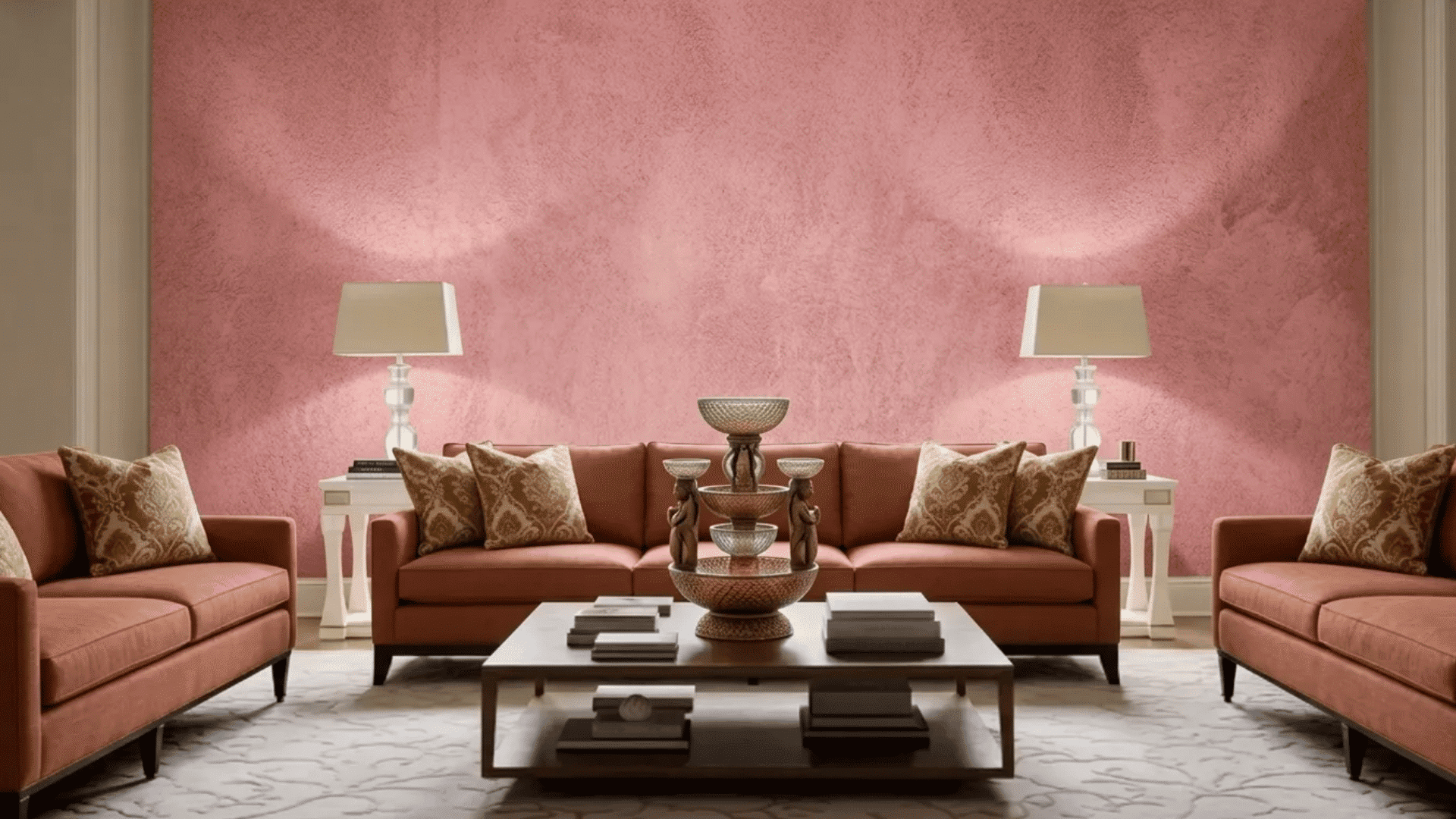
Balance is what keeps a room from feeling chaotic, heavy, or strangely awkward. It controls visual weight and helps everything sit comfortably together, even in bold or dramatic interiors. Without it, a space can feel restless. With it, the room instantly feels grounded.
The Three Types of Balance Are:
| Symmetrical Balance | Asymmetrical Balance |
Radial Balance |
|
Matching elements on both sides create a polished and orderly look. Think twin armchairs, matching nightstands, or a perfectly centered sofa setup. Classic, calm, and timeless. |
Different pieces carry equal visual weight without looking identical. A large sofa balanced with two smaller chairs or oversized art beside a floor lamp creates a more relaxed and layered feel. |
Everything revolves around a central point. Round dining tables under statement chandeliers are a perfect example. The eye naturally moves inward, making the space feel connected. |
2. Harmony and Unity: Making Everything Feel Connected
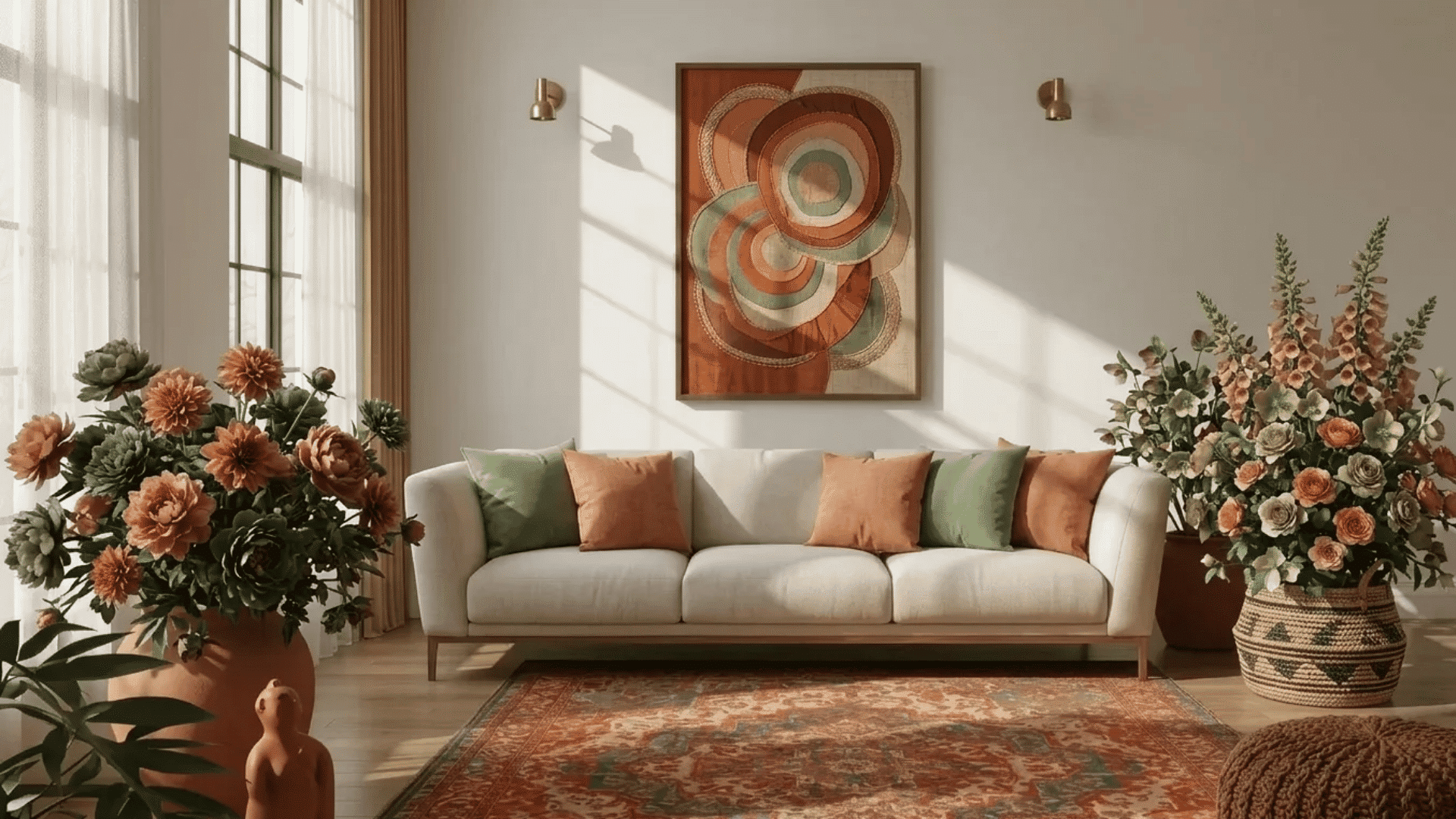
A room starts falling apart the moment every piece competes for attention. Harmony and unity bring structure to the chaos.
A steady color palette, repeated finishes, cohesive textures, and a clear design language help everything feel connected without looking staged. Even the transition from one room to another should feel smooth, not sudden.
What Creates Harmony in a Space?
- Consistent color palette
- Repeating materials or finishes
- Similar design language
- Cohesive textures
- Intentional transitions between rooms
3. Rhythm: The Secret Behind Flow
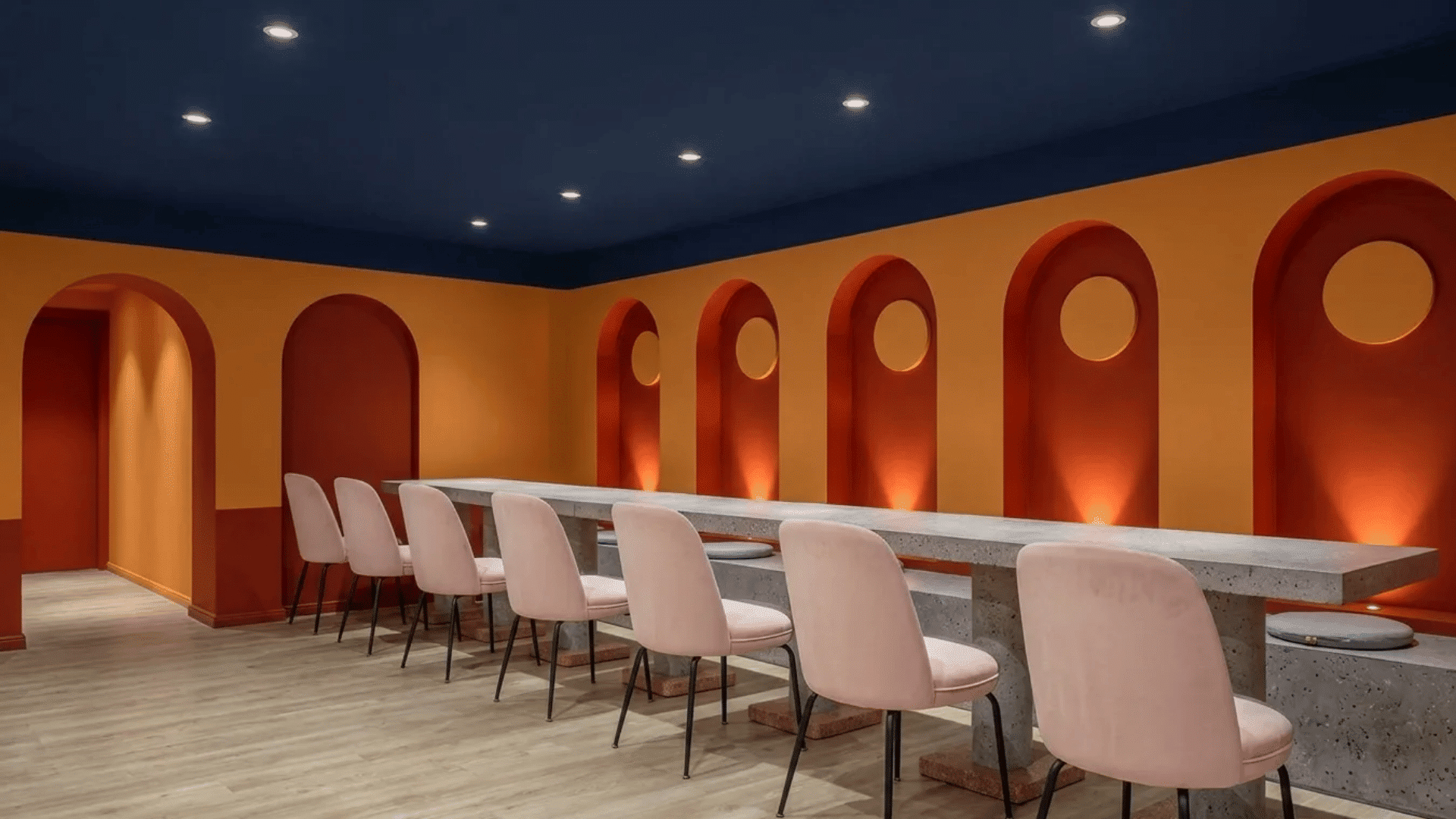
Rhythm gives a room movement. It quietly pulls the eye from one corner to another, making the space feel connected instead of random. Much like a steady beat in music, rhythm creates visual consistency without making everything look identical.
Rhythm appears in interior design in many ways:
1. Repetition: Repeated elements create familiarity and structure.
|
Examples:
|
2. Progression: Gradual change adds motion and depth.
|
Examples:
|
3. Transition: Smooth visual pathways help spaces feel effortless.
|
Examples:
|
4. Emphasis: Every Room Needs a Star
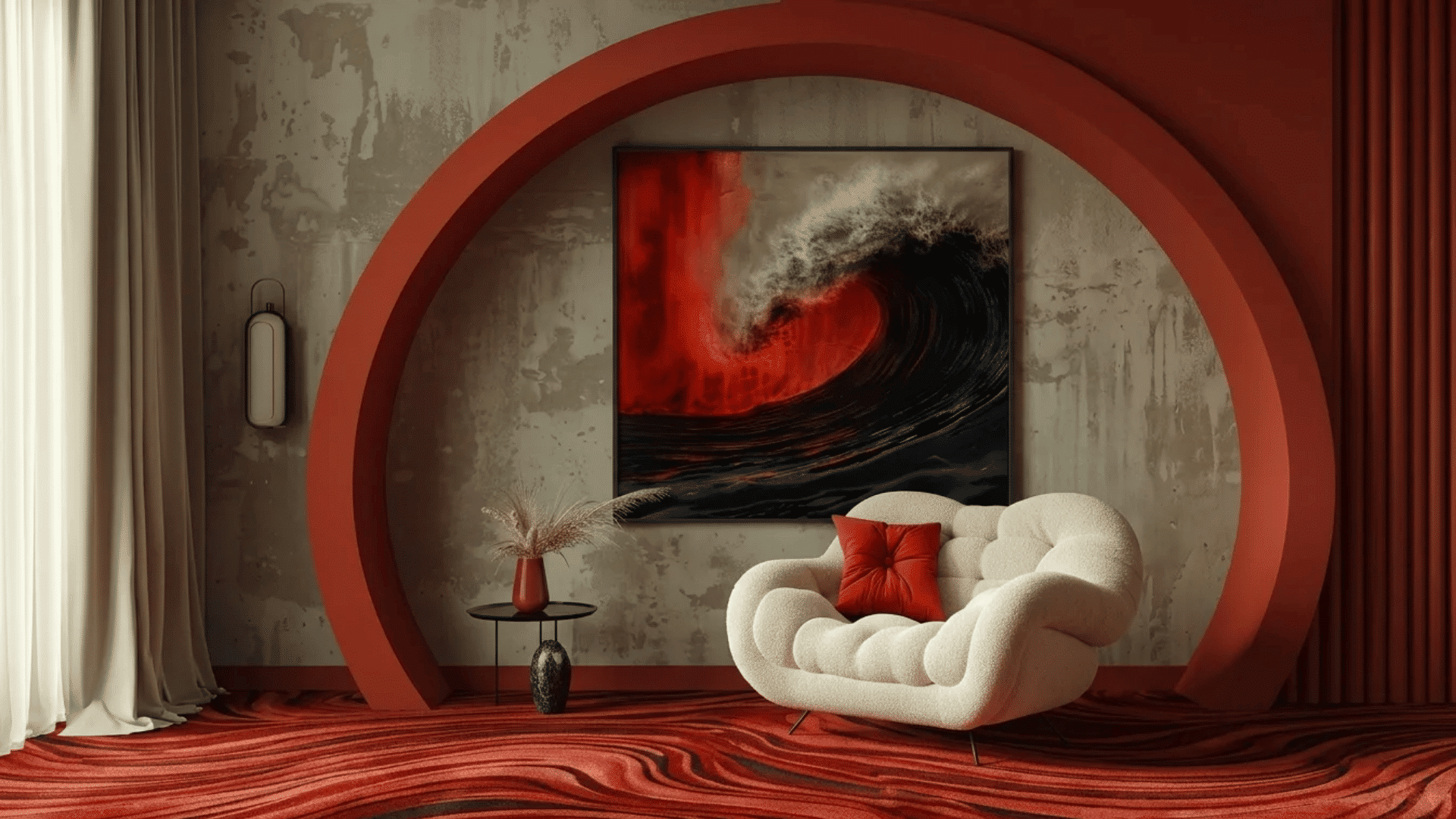
Without a focal point, a room can feel scattered and visually restless.
Emphasis creates a clear point of attention through features like fireplaces, statement lighting, oversized art, bold furniture, or dramatic windows.
The goal is simple: give the eye one strong place to land without overcrowding the space with too many competing highlights.
Common Focal Points in Interior Design
- Fireplace
- Statement lighting
- Oversized artwork
- Large windows
- Accent walls
- Sculptural furniture
How to Build Around a Focal Point?
- Arrange seating toward it for a natural flow
- Use contrast to make it stand out subtly
- Keep surrounding decor quieter and supportive
- Avoid stacking multiple bold statement pieces nearby
5. Contrast: The Detail That Keeps Rooms Interesting
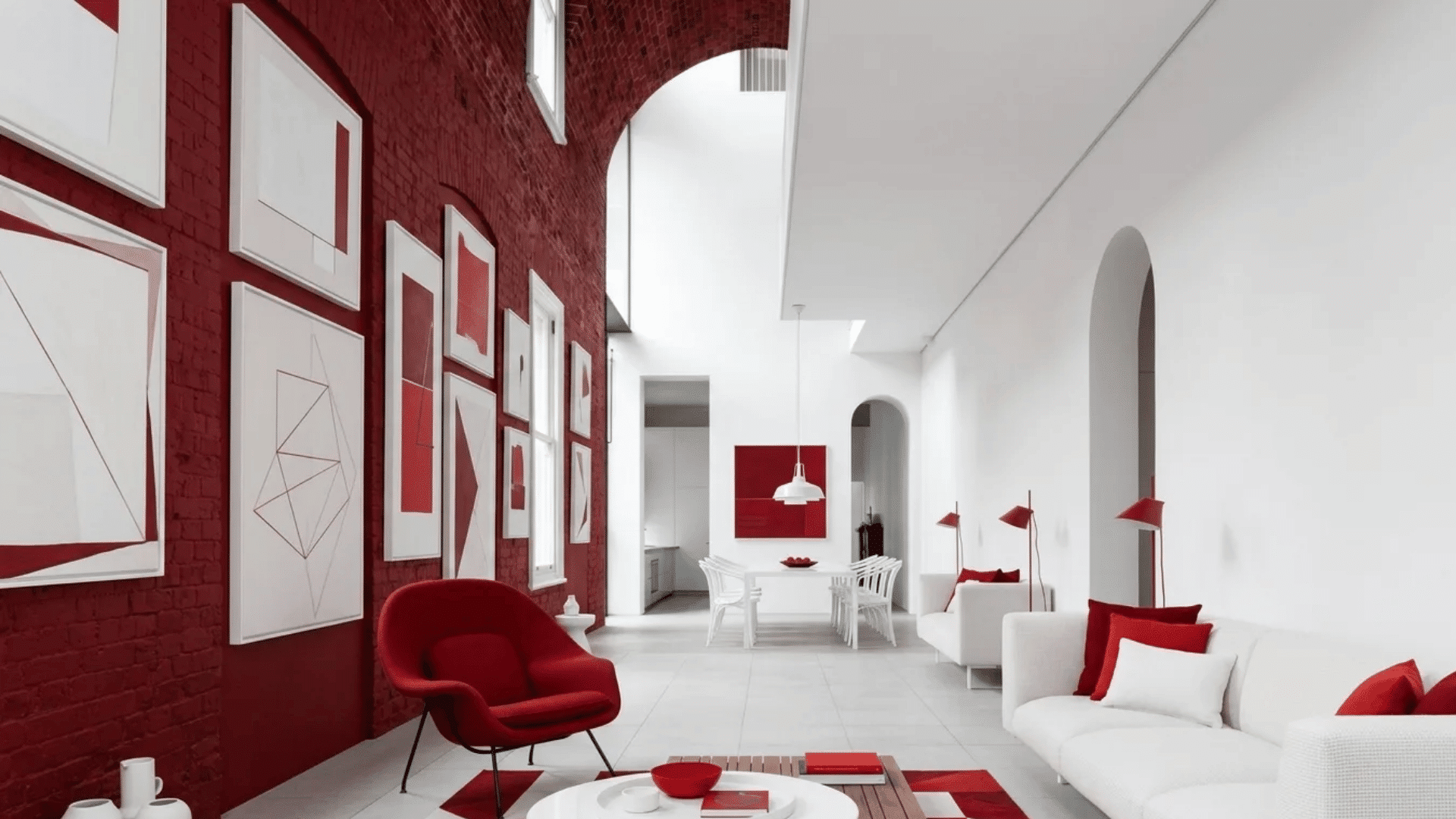
A room without contrast can feel too safe. Too polished. Almost forgettable. Contrast adds tension in the best way possible. It gives spaces personality, depth, and a little edge without making them feel loud.
This is where interiors start feeling layered instead of staged. A sleek marble surface beside rough wood.
A curved chair against sharp architectural lines. A dark accent cutting through a soft neutral palette. Those differences create movement and keep the eye engaged.
Types of Contrast in Interior Design:
| Contrast Type | Example | Effect on the Space |
| Light vs Dark | White walls with black accents | Adds drama and definition |
| Soft vs Rough | Linen beside raw wood | Creates warmth and texture |
| Old vs New | Antique table with modern chairs | Makes the room feel collected |
| Matte vs Glossy | Stone paired with polished metal | Adds visual richness |
| Curves vs Straight Lines | Rounded sofa with square shelving | Softens rigid layouts |
Why Does Too Much Matching Feel Flat?
When everything matches too perfectly, rooms can start to feel flat and predictable. Mixing textures, finishes, and shapes adds depth, movement, and personality. The sweet spot is controlled contrast that keeps the space interesting without making it feel chaotic.
6. Scale and Proportion: Why Some Rooms Feel “Off”
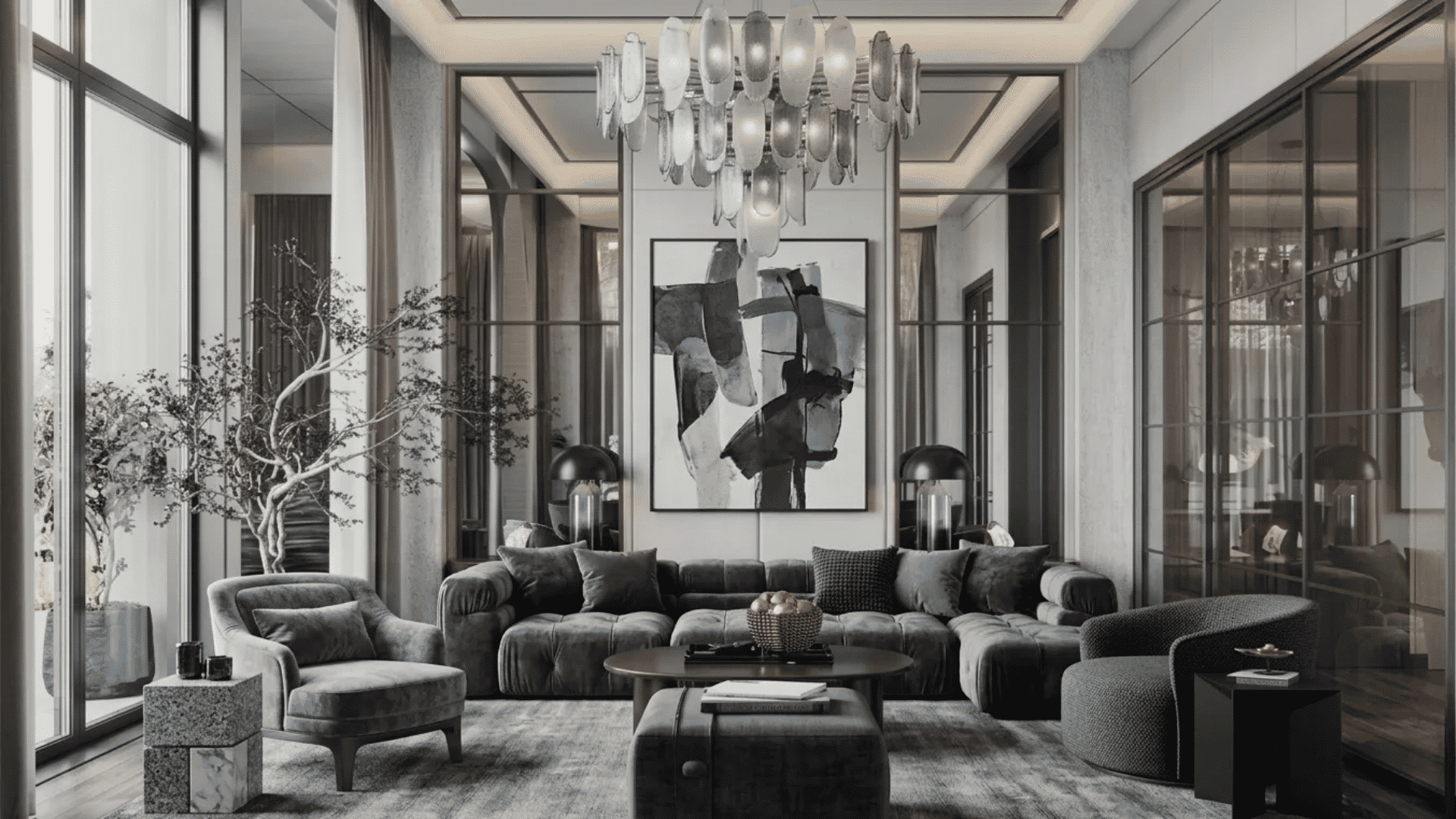
A room can have beautiful furniture and still feel awkward. Usually, scale and proportion are the problem.
Scale is about size compared to the room. Proportion is about how objects relate to each other. When both work together, a space feels balanced without trying too hard. When they don’t, something feels visually off, even if the decor is expensive.
| Term | Meaning |
| Scale | Size of objects compared to the room |
| Proportion | Relationship between objects |
Common Scale Mistakes
- Tiny Rugs: Small rugs make furniture feel disconnected instead of grounded.
- Oversized Sectionals: Large sofas can swallow compact rooms and block movement.
- Art Hung Too High: Creates an empty gap that makes walls feel disconnected from furniture.
- Massive Lighting in Low Ceilings: Heavy fixtures can make a room feel cramped instead of dramatic.
Easy Tricks for Better Proportion
- Follow the Two-Thirds Rule: Coffee tables, artwork, and benches usually look best at around two-thirds the size of nearby furniture.
- Vary Eye Level: Mix low and tall pieces like floor lamps, shelving, or plants to keep the room visually active.
- Leave Breathing Room: Open space helps furniture stand out and keeps layouts from feeling crowded.
Good scale feels natural. Nothing screams for attention, yet everything fits exactly where it should.
7. Functionality: Design Still Has to Work
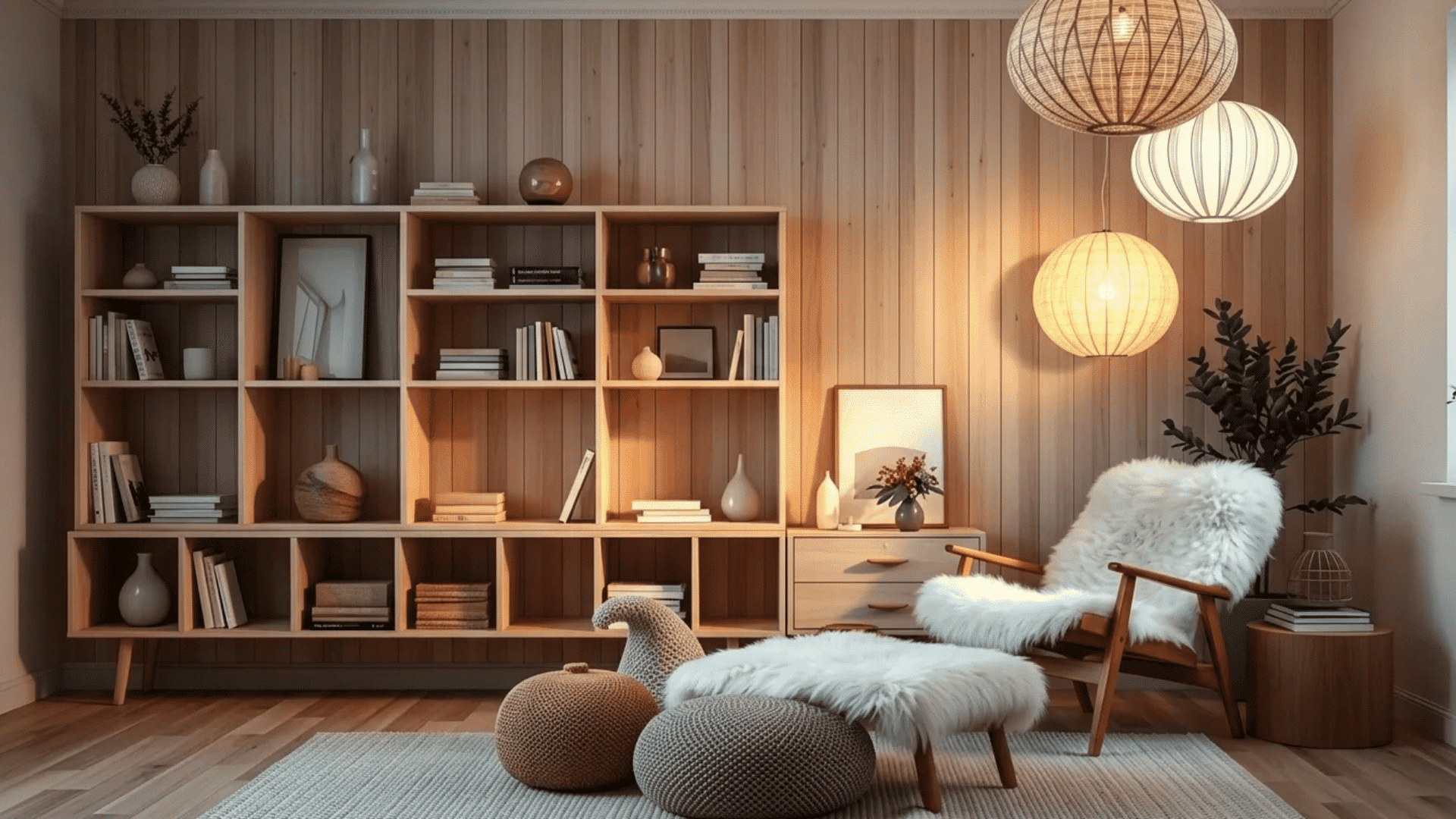
A beautiful room means very little if daily life feels awkward inside it. Good interior design supports movement, comfort, storage, lighting, and routine without making the space feel overly planned.
The best interiors look polished but still handle real-life mess, late-night snacks, long conversations, and busy mornings with ease.
Functional design quietly answers some important questions.
- Can people move around without bumping into furniture?
- Is storage easy to reach?
- Does lighting support reading, cooking, relaxing, or working?
- Does the layout encourage conversation instead of forcing everyone toward a screen?
When functionality is handled well, a space simply feels right.
Quick Beginner Tips for Applying These Principles at Home
Small shifts can change the entire feel of a room. No full makeover required.
Start With These Simple Moves:
- Rearrange furniture before shopping for anything new
- Layer floor lamps, table lamps, and overhead lighting
- Repeat one accent color across the room for a pulled-together look
- Choose rugs large enough to anchor the furniture
- Mix soft, rough, smooth, and natural textures to add depth
- Leave some areas open so the room can breathe
Good design usually starts with better placement, not bigger spending.
Conclusion
Great interior design rarely comes down to expensive furniture or perfectly styled shelves.
More often, it’s the small details working together quietly in the background. Balance creates calm, contrast adds personality, rhythm keeps the eye moving, and functionality makes the entire space feel effortless to live in.
Once these principles start to make sense, decorating feels far less overwhelming and much more intentional.
Most spaces do not need a full renovation to feel better. Sometimes a new layout, better lighting, or a little breathing room changes everything.
Which interior design principle makes the biggest difference in a space? Drop thoughts, opinions, or even strong decorating hot takes in the comments.
Frequently Asked Questions
What Design Style Is Jonathan Adler?
Jonathan Adler’s style is best described as “Happy Chic”: A blend of mid-century modern shapes, bold pop art, and glamorous, luxurious details.
How Can I Make My Home Look Expensive?
Making a house look expensive involves creating a curated, intentional, and high-contrast space through decluttering, upgrading lighting, adding molding, using neutral colors, and hanging curtains “high and wide.”
What Is the 2 Foot Rule for Decorating?
The ‘Two-Foot Rule’ in interior styling states that if something doesn’t look good from 2 feet away, then it doesn’t belong there.